Pringles Built Pringlelina Because Pringleleo Already Paid for Itself
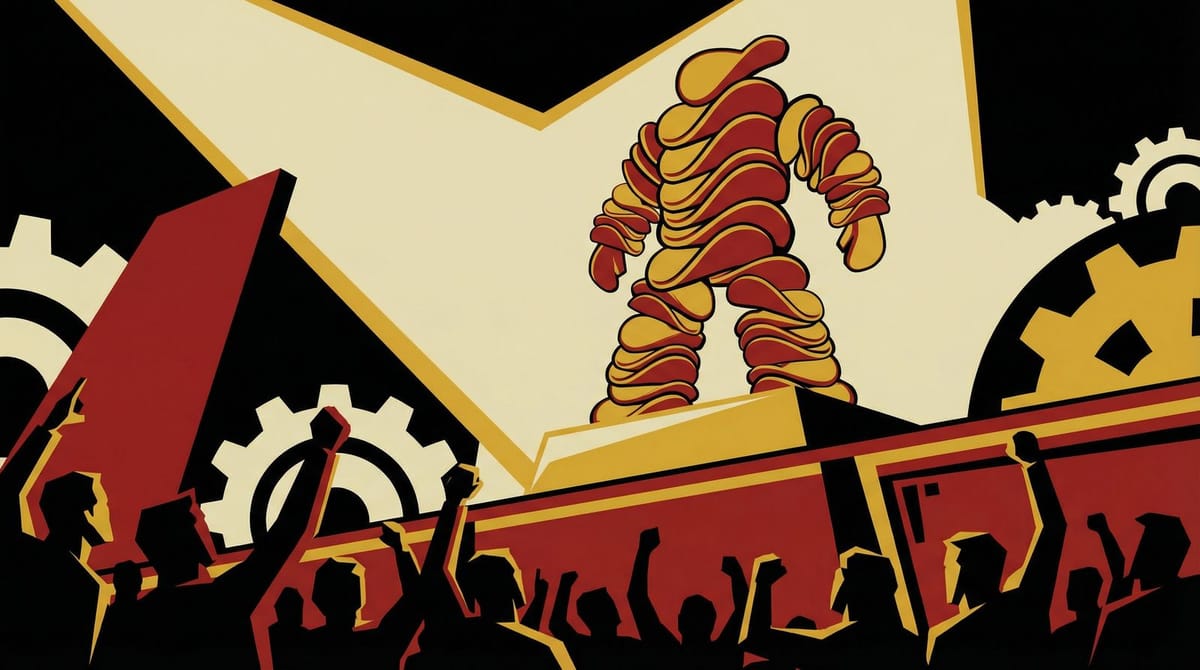
Pringles just released a 60-second spot where a man builds a romantic partner entirely out of chips. He takes her on a bike ride. Makes her dinner. Nearly kisses her before a roommate walks in. It is, by almost any creative standard, absurd.
And it's the second time BBDO New York has run essentially the same concept this year.
The first version starred Sabrina Carpenter building "Pringleleo" for the Super Bowl in February. The sequel, "Pringlelina," launched this week with a gender-swapped premise and no celebrity. Same joke. Same visual gag. And the same darkly comedic ending. The fact that Pringles went back to the same well tells you something the creative industry tends to overlook: repeatability is not a weakness.
Advertising sequels are rare, and that's mostly a strategic failure
Most brands treat a Super Bowl spot as a one-and-done event. Months of concepting, millions in production and airtime, one cultural moment, then immediately on to the next campaign. Pringles ran the opposite play. They took a concept that landed, stripped out the celebrity, handed it to director Thomas Ormonde (through ProdCo), and released what is effectively a serialized version of the same story two months later at a fraction of the cost.
Dan Kelly, executive creative director at BBDO New York, described the approach: "Everyone finds love a little differently. Some people swipe. Some people stack."
That sounds like a throwaway line. I don't think it is. The "Once You Pop, The Pop Don't Stop" platform is now a narrative universe, not a tagline. And narrative universes scale in ways that one-off spots simply don't.
1,000 chips and practical effects over CGI
The original Pringleleo used approximately 1,000 real Pringles crisps with structural support to keep the character intact during stunts. Directors Vania & Muggia chose practical animatronics over CGI, which is a counterintuitive production choice in 2026 but a genuinely smart one.
Physical builds read as more absurd on screen precisely because they look real. A CGI chip-person would look polished and vaguely creepy. A real one, held together with structural supports and wobbling slightly during a tackle scene, just looks funny. That gap between what you're seeing and what your brain says should be possible is where the humor lives.
Mauricio Jenkins, Pringles' U.S. Marketing Lead, noted that watching Carpenter interact with Pringleleo for the first time and laughing at how unhinged the concept was produced one of the funniest moments of the production.
That reaction is the entire strategy in miniature. If the talent finds it genuinely funny, the audience probably will too.
The earned media math on physical stunts keeps getting harder to ignore
This matters for anyone actually managing a brand budget. There's a growing body of data suggesting that physical brand stunts generate earned media at multiples that digital-first campaigns struggle to touch.
Coors Light's intentional billboard typo in Times Square (where they faked a mistake to trigger outrage, then revealed it was planned) generated 12.6 billion media impressions and a 400% surge in social conversations. Chili's one-day "Fast Food Financing" guerrilla stunt, set up next to a Manhattan McDonald's, pulled over 6 billion impressions and three-hour lines.
Those are not normal numbers for brand activations.
The broader data supports the pattern. Celebrity-driven PR stunts generate 400% higher engagement rates on social platforms compared to standard branded content, with coordinated activations triggering up to 50,000 organic mentions within six hours. Successful high-tier partnerships return an average of 3.4x on investment.
Now think about Pringles specifically. The Pringleleo Super Bowl spot hit an estimated 115 million viewers during the broadcast, with millions more seeing clips on TikTok and Instagram Reels before the game even aired. The sequel, Pringlelina, launched with no celebrity, no Super Bowl timeslot, and none of the $233,000-per-second airtime cost. Just the same bizarre concept, a new director, and the built-in audience from round one.
I haven't seen Kellanova's internal numbers, and I'd be skeptical of anyone claiming to know the exact earned media value here. But the math on sequels is straightforward: you've already paid for concept development, character design, and the audience's understanding of the bit. The second time around, most of those costs disappear.
Sequel permission: the campaign architecture most teams never build
The mistake most brands make with stunts is treating them as isolated events. Something goes viral, the team celebrates, and then three months later they're starting from scratch with a completely different creative concept. Pringles is doing something different: building a narrative asset that compounds.
This is something we've written about before in the context of startup brands that can't outspend competitors. The brands punching above their weight aren't necessarily the ones with the most creative single moments. They're the ones who found a format that works and had the discipline to run it again.
From what I've seen, most marketing teams would struggle to get a sequel approved internally. The conversation usually goes something like: "We already did that, let's do something new." That instinct for novelty kills a lot of perfectly good campaign platforms before they have time to build recognition. It's one of those things that seems like good creative instinct but is actually bad business instinct.
If your last campaign generated strong earned media and your audience genuinely engaged with the concept (not just the paid impressions behind it), this is what I'd do:
First, run a sentiment check on the original concept. If it's still positive and people are referencing it organically, you have sequel permission. Second, strip out the expensive elements. Pringles removed the celebrity from the sequel entirely. The concept carried the weight. Third, change one variable. Pringlelina swapped the gender and went slightly darker, per the Muse by Clios review. Same formula, different enough to feel fresh. And finally, measure earned media against the original. If the sequel generates even 40-50% of the original's impressions at a fraction of the cost, your effective CPM just collapsed. That's the real win.
Yes, the gag will wear out. That's actually the point.
The one fair criticism: the Muse by Clios reviewer noted that "if there's a chapter three, switch things up a bit. This sort of gag has a limited shelf-life." And honestly, I think that's probably right. The chip-person format can carry maybe one or two more installments before the audience gets ahead of the joke.
But that's not a problem with the model. It's a feature of it. Most campaign platforms don't even get a sequel. They certainly don't get a third installment. If Pringles gets two or three more rounds out of this before the concept fades, they'll have extracted more value from a single creative idea than most brands get from an entire year's content calendar.
The question isn't whether the format will eventually wear out. Of course it will. The question is whether you're building campaigns designed to be run once, or designed to be run until they stop working. Those are two very different creative briefs. And in most cases I've seen, teams aren't even asking which one they're writing.
Pringles built a woman out of chips. It probably cost less than most brands spend on a single round of social creative testing, and it's generating the kind of organic conversation that performance marketers keep saying they want but rarely invest in producing. Sometimes the most ridiculous idea in the room has the best math behind it.
By Notice Me Senpai Editorial