Bing's Vanishing Ad Labels Are a Regulatory Time Bomb Disguised as a UX Test
Microsoft calls it a "user-experience optimization." That's a very polished way to describe making your ad labels nearly invisible.
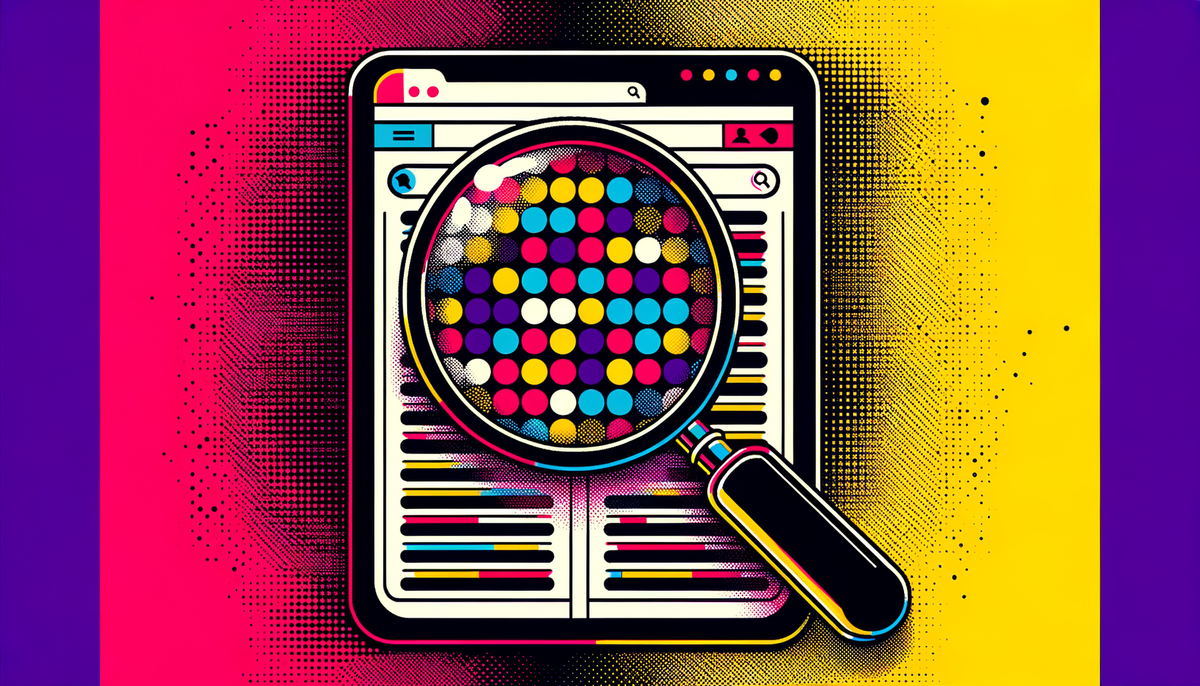
Bing is currently testing Sponsored labels so faint they're barely distinguishable from the white background behind them. The text is there, technically. A user squinting at their monitor in good lighting might catch it. Everyone else scrolls right past, which, if you think about it for even a few seconds, is probably the point.
The short-term advertiser benefit is obvious: if users can't tell your ad is an ad, they click it at higher rates. But I think the more useful question is what happens when this pattern meets the FTC's guidelines on ad disclosure, because the collision course is already set and the timeline is shorter than most advertisers realize.
This is not Bing's first attempt at making ads invisible
If this were an isolated experiment, you could maybe write it off as one designer getting a little too creative with opacity values. It's not isolated. Bing has been systematically testing how faint ad labels can get for at least two years now.
In one earlier test, Bing moved the "Ad" label behind the domain name, tucking it into a spot where users' eyes naturally skip past. In another round, they tested bold versus faint label styles, presumably measuring which treatment produced higher CTR on sponsored results. When SE Roundtable flagged a particularly egregious round of nearly invisible labels, Microsoft actually responded, acknowledged the complaint, and then... kept testing variations.
The pattern is consistent: push the label further toward invisible, measure the CTR lift, see if anyone complains loudly enough. Pull back slightly if they do. Then try again a few months later with something slightly more transparent than before. It's a ratchet, not a one-off.
The FTC has been pretty explicit about this
The Federal Trade Commission's advertising disclosure guidelines aren't ambiguous on this point. Ads in search results must be "clearly and prominently" distinguished from organic results. The FTC considers terms like "Ad" and "Sponsored" acceptable, but they have to be conspicuous. A label that requires perfect eyesight and a well-calibrated monitor to read probably doesn't meet that standard. I'm not a lawyer, but I've read enough FTC enforcement letters to know "conspicuous" doesn't mean "technically present if you look really hard."
The FTC even published a full report called "Blurred Lines: An Exploration of Consumers' Advertising Recognition in the Contexts of Search Engines" that specifically studied whether consumers could identify ads in search results. The conclusion, unsurprisingly, was that a lot of them couldn't, even with labels that were more visible than what Bing is currently testing.
And the regulatory environment is actually getting stricter, not looser. New York's SB-8420A, which takes effect June 9, 2026, introduces specific requirements around AI-generated advertising disclosures. California's CAITA legislation pushes in the same direction. These laws were written with AI-generated content in mind, but the disclosure principles apply broadly to any situation where users might confuse paid content with organic results. Legal analysts have been flagging the gap between current platform behavior and these emerging standards for months now.
The CTR boost is real, and that's exactly the problem
From a pure performance standpoint, less visible ad labels almost certainly improve click-through rates. Users who don't realize they're clicking an ad behave like users clicking organic results, which means higher engagement, lower bounce rates (at least initially), and metrics that look great in a weekly report.
One advertiser thread on Reddit summed up the tension well: "My CTR is up 15% and I have no idea if that's because my ads are better or because nobody can tell they're ads anymore." That's an uncomfortable position to be in, because you're optimizing against a metric that might be partially artificial.
The deeper issue is trust erosion, and it's harder to measure but very real. When users eventually realize (and they do, eventually) that they've been clicking ads they thought were organic results, the backlash tends to land on the advertiser, not just the platform. I've seen enough brand safety conversations to know that "we didn't know the label was invisible" is not a great answer when a customer feels tricked. The goodwill cost is hard to quantify, but it's not zero.
Why this matters more in an AI search world
This isn't just about Bing's search results page in 2026. It's a preview of a much bigger problem that's coming as AI-generated answers start blending with sponsored content across every search and chat interface.
We've already seen OpenAI begin testing ads inside ChatGPT's conversational answers, and the fundamental challenge is identical: when the AI gives you a response that seamlessly includes a paid recommendation, how is the user supposed to know which part was organic and which part was bought? The labeling question gets exponentially harder when the format shifts from a list of blue links (where you can at least put a small label next to each one) to a flowing paragraph where the paid insertion is woven into the text itself.
Bing, in a way, is the canary here. Microsoft controls both the traditional search interface and Copilot, and the label transparency experiments on the search side almost certainly inform how they approach disclosure in the AI side. If a barely-visible "Sponsored" tag passes internal testing on Bing search, there's very little reason to think Copilot's ad disclosures will be any more prominent.
And if Bing proves that faint labels boost revenue without immediate regulatory consequences, Google will be watching. Google has its own history of gradually making ad labels less distinct (remember when they went from a bright yellow "Ad" box to a small bolded "Sponsored" tag?). The competitive pressure to match is significant. My prediction: if Bing doesn't face FTC action on this within the next 12 months, Google will begin testing comparable label reductions by Q1 2027.
What to actually do with your Bing campaigns right now
I wouldn't pull spend from Bing over this. The CTR lift is genuine, and while the labels are faint, Microsoft is the one making the design choices, not you. But I would start doing a few things to protect yourself.
First, segment your Bing reporting to isolate CTR trends over the past 90 days. If you're seeing a gradual climb that doesn't correspond to any creative or targeting changes you made, it's probably the label treatment doing the work. That's useful to know because it means the performance isn't durable. When (not if) Microsoft gets pressured into making labels more visible again, that CTR is coming back down. Build your forecasts accordingly.
Second, make sure your landing pages are unambiguous about who you are and what you're selling. If users arrive thinking they clicked an organic result, the first few seconds of the landing experience matter a lot more. A page that clearly identifies itself as the advertiser's site and delivers on the search intent reduces the "I feel tricked" effect, and honestly, this is just good practice regardless of what Bing does with its labels.
Third, and this one is more about positioning than tactics, start paying attention to the disclosure regulations moving through state legislatures. NY SB-8420A in June is the first real test. If your legal team hasn't reviewed how these new rules apply to your paid search and AI advertising, that conversation needs to happen in Q2, not Q4. The penalties in these bills aren't trivial.
The quiet part nobody's saying out loud
Every ad platform has the same incentive structure here. More clicks on ads means more revenue. Clearer ad labels mean fewer clicks. The economic gravity pulls in exactly one direction, and it takes regulatory pressure or public backlash to counteract it. Google figured this out years ago and has been running the same slow experiment, just more carefully. Bing is doing it faster and less subtly, which is probably why they'll be the ones to trigger the regulatory response.
For advertisers, the honest framing is this: you're benefiting from a design choice you didn't ask for and can't control. The CTR boost is nice. Enjoy it while it lasts. But build your strategy on the assumption that ad labels are going to get more visible over the next 18 months, not less, because that's where the regulation is heading even if the platforms would prefer otherwise.
I think the advertisers who come out of this in good shape won't be the ones who squeezed the most out of the invisible label window. It'll be the ones whose ads were good enough that the label visibility didn't matter much either way. That's a less exciting conclusion than "exploit this while you can," but it's probably the more honest one.
By Notice Me Senpai Editorial