GPT-6 Dropped ChatGPT's UTM Tags, and Your AI Traffic Moved to Direct
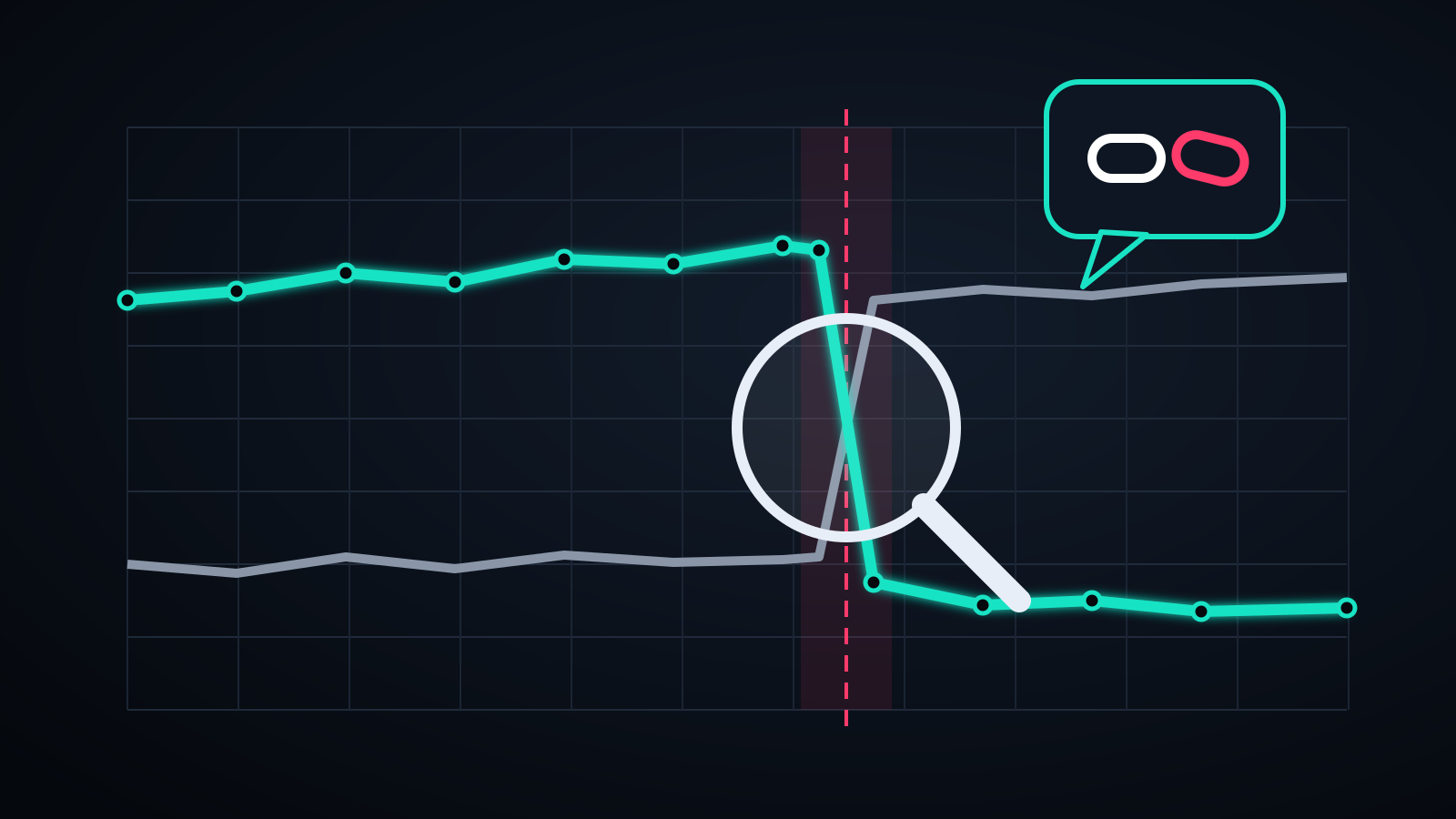
ChatGPT stopped adding utm_source=chatgpt.com to outbound links after GPT-6 rolled out on October 7, 2026, and it now opens links with "noreferrer," so sites receive no tag and no referrer. Adobe data on roughly 500 pages shows ChatGPT visits down 31,000 a day while Direct rose 26,000 a day on the same pages. Your AI traffic probably didn't fall. It moved to Direct.
Search Engine Roundtable reported the change this morning, and the clearest evidence comes from Cedric Huesler at Adobe, who posted the diagnosis on LinkedIn: GPT-6 opens links with window.open(url, "_blank", "noopener,noreferrer") and drops the UTM. No tag, no referrer, so analytics files the visit as Direct.
If you report "ChatGPT traffic" to anyone above you, this is the week that number falls off a cliff on the dashboard. And somebody is going to ask what happened to the AI search strategy.
Why this one hurts more than the usual tracking wobble
Quick history. Back in June 2025, OpenAI started adding utm_source=chatgpt.com to links in more parts of the ChatGPT interface, and a lot of teams built their AI referral reporting around that tag. Then in May 2026, Google added a native AI Assistant channel to GA4's default channel group, which assigns the medium "ai-assistant" when it recognizes a referrer from ChatGPT, Gemini, or Claude.
Notice the word doing all the work there. Referrer.
The GA4 channel reads the referrer. The UTM was the backup for when the referrer went missing, which was already common: Terminus notes that ChatGPT's native mobile apps almost never pass one, so app clicks were landing in Direct long before this week. GPT-6 took out the backup and the primary signal at the same time. Building a custom channel group with a tidy regex for chatgpt.com, which is the fix most guides will tell you to do, won't catch a single one of these sessions. There's nothing left for the regex to match.
Honestly, I'm not sure this was deliberate. "noopener,noreferrer" is a pretty standard security default for links that open in a new tab, and it's the kind of thing that ships in a front-end rewrite without anyone in a growth meeting noticing. GPT-6 arrived alongside a new "Intelligent UI" that mixes charts, buttons, and tools into answers, which sounds exactly like the sort of rebuild where link handling gets touched. Intentional or not, the effect on your reports is identical.
How Adobe proved the traffic didn't vanish
The part I'd actually steal is Huesler's method, because it works on your own data and takes maybe 20 minutes. He took about 500 pages where ChatGPT had driven 5% or more of visits and compared October 9 to 13 against the week before:
- ChatGPT sessions fell by 31,000 a day. Direct rose 26,000 a day on the same pages.
- Search traffic dropped 7%, the same as everywhere else, so it wasn't a general traffic dip.
- Direct rose on 2 in 3 of the pages that lost ChatGPT traffic. The prior week it was a coin flip.
- The new Direct visitors behave like ChatGPT visitors. On mobile, the share seeing the consent banner (meaning they're new to the site) went from 36% to 44%. For known ChatGPT visitors it sits at 55%.
That last point is the clever one. People who type your URL from memory are usually returning visitors. A sudden wave of "direct" sessions from first-timers landing on deep blog URLs is not people typing your URL. Nobody types /blog/ga4-consent-mode-v2-checklist into a browser bar.
Not every signal lines up neatly, to be fair. Sébastien Billard posted on X that since October 9 he's seen a sharp drop in ChatGPT human traffic and also in ChatGPT-User bot hits, while OAI-SearchBot crawling went up from around October 7. That could mean some of the loss is real, from GPT-6 retrieving and citing differently, and not only an attribution problem. Probably it's a mix. I'd want two more weeks of data before claiming either one with confidence.
A 20-minute rebuild of your AI traffic estimate
You can't recover the label. You can rebuild a decent estimate, and that's what your reporting needs this month.
1. Annotate October 7 in GA4 and every dashboard that shows AI referrals. Do it today, before someone screenshots the drop into a quarterly deck. Write the reason in plain words: "GPT-6 rollout, ChatGPT UTM and referrer removed."
2. Run Huesler's comparison on your own pages. Export landing pages with their ChatGPT or AI Assistant sessions for September. Filter to pages where that source was at least 5% of sessions. Then compare Direct sessions on that list for October 9 onward versus the prior two weeks. If Direct rose on most of those pages while organic held flat, you've found your missing traffic. The gap between the old ChatGPT number and the new one, minus normal noise, is your working estimate.
3. Build a "probably AI" segment. Direct sessions, new users, landing on non-homepage URLs. It's imperfect. Dark social, email clients, and Slack links all live in there too. But tracking the trend of that segment against its own pre-October baseline tells you more than a ChatGPT line that's now stuck near zero.
4. Ask people. A required "How did you hear about us?" field on demo or signup forms, with ChatGPT and "an AI assistant" as explicit options, is the only attribution that survives referrer stripping. B2B teams have been doing this for years with podcasts. It works the same way here.
5. Watch the server logs. ChatGPT-User and OAI-SearchBot hits are a leading indicator of whether your pages are being retrieved at all. If bot fetches hold steady and "probably AI" Direct grows, your visibility is fine and the measurement is broken. If both fall, that's a real visibility problem worth investigating.
If you've been tracking how ChatGPT picks sources, this connects to the earlier shift where ChatGPT cut Reddit citations 88% and started pulling from brand sites. Brand sites became more likely to get cited right before the click became harder to see. Lovely timing. And if your GA4 setup was already shaky, the GA4 settings worth fixing first matter more now, since you'll be leaning on segments and comparisons instead of a clean channel.
Don't let a measurement bug kill the GEO budget
The real damage here won't be in GA4. It'll be in a planning meeting in November where someone pulls up a chart showing AI referrals down 60% and asks why the team is still spending time on AI visibility.
Think of it like a store that took the sign off its side entrance. Same number of people walking in, but the door counter only sits at the front, so the side traffic just disappears from the count. Nobody would close the side entrance over that.
So get ahead of it. Send a two-line note to whoever reads your traffic reports this week, with the SER article and the Adobe numbers attached. From what I have seen, the explanation tends to land far better before the drop gets noticed than after.
My guess on what happens next: I'd put it at roughly 60/40 that OpenAI restores some form of attribution (a UTM, a referrer policy change, or both) before the end of 2026, mostly because publishers and the commerce partners it's courting will push hard for it. ChatGPT is trying to become a shopping and ads surface, and that's a tough sell when merchants can't see what it sends them. But I wouldn't plan Q4 reporting around that guess.
For now, the honest version of your AI traffic number is a range, not a line. That feels less satisfying in a deck. It's also a lot closer to what was true all along, since the mobile apps were hiding a big chunk of this traffic well before GPT-6 showed up.
By Notice Me Senpai Editorial