Gen Z Is Making Your AI Content and Picking Human Output 2.5-to-1
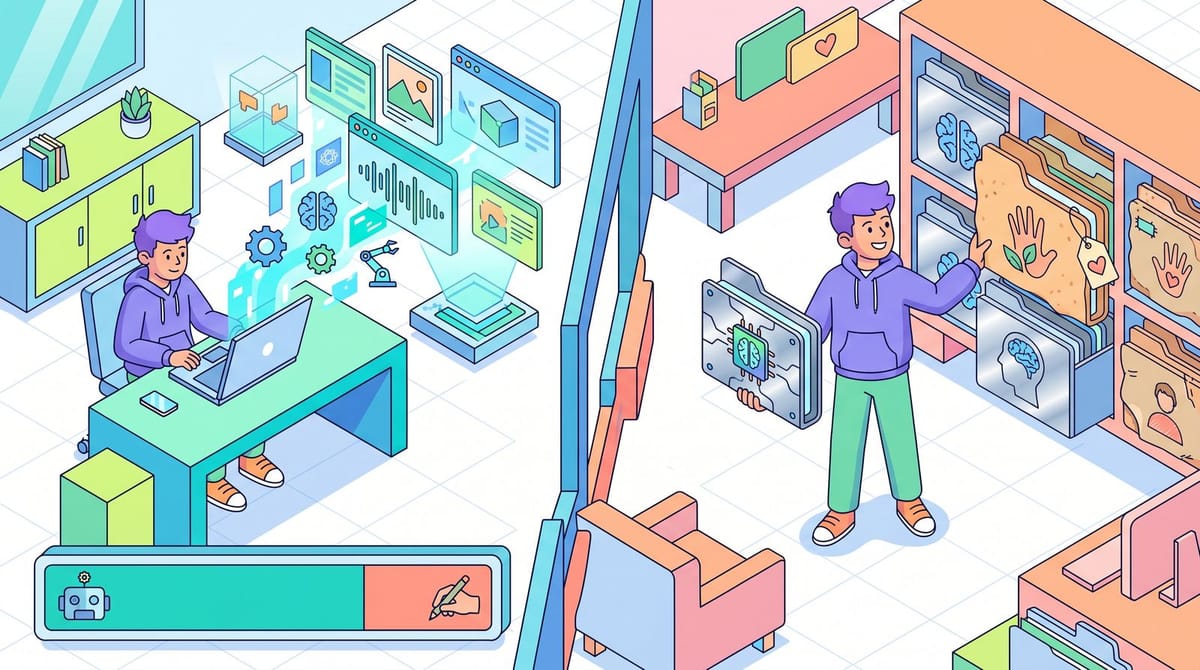
A Gallup panel of 1,572 Gen Z workers released April 9, 2026 found 69% prefer human-only output over AI-assisted, up from 65% year over year. Only 28% chose AI-assisted and 3% chose AI-only. The cohort producing the most AI-assisted content at work is the same one rejecting it as consumers, and brands still running undisclosed AI creative are fighting a 2.5-to-1 preference curve.
Both numbers moved in the wrong direction at once
The Walton Family Foundation, GSV Ventures, and Gallup ran the survey between February 24 and March 4, 2026. Preference for human-only output rose 4 points year over year. Preference for AI-assisted output fell 4 points. The AI-only segment stayed flat at 3% across both reads. That's a lot of movement in 12 months for a question that asked people the same thing in a largely unchanged labor market.
The broader sentiment is what makes the creative read uncomfortable. 48% of Gen Z workers now say AI's risks outweigh its benefits, an 11-point jump from 2025. 80% worry that relying on AI for speed will impair their long-term learning. Gallup's release of the same data shows 31% now report outright anger toward AI, up from 22% a year earlier. Gallup senior partner Stephanie Marken called it a "growing credibility challenge that access alone will not solve," which reads like a marketing problem even when she was describing an education problem.
The disclosure gap is already a brand risk, not a future one
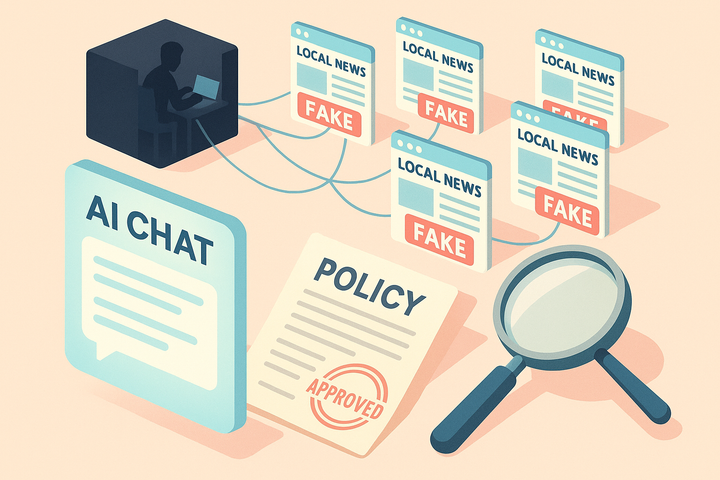
The wedge for marketers is disclosure. A World Federation of Advertisers study this year found 78% of multinational brands already use AI-generated or AI-enhanced content in consumer-facing marketing, and 80% of those same brands are asking for clearer global disclosure guidance. Meaning even the brands shipping the content quietly want someone to tell them when and how to label it, because they know disclosure is coming.
The IAB already moved. Its 2026 disclosure framework launched after research showed Gen Z trust in AI-labeled ads dropped 19 points year over year, and 39% of Gen Z consumers feel negative toward AI ads compared to 20% of Millennials. That nearly 2x gap is roughly the same ratio as the Gallup human-vs-AI preference. Two different studies measuring two different things, landing at the same ratio, which is unusual enough that it probably isn't coincidence.
The calibration signal nobody is pricing in
What's uncomfortable about the Gallup result is that it comes from the same generation producing most of the AI-assisted content. These aren't people outside the tool watching skeptically. They're the cohort using ChatGPT at work, shipping AI-drafted copy, sitting in Figma with Runway plug-ins open. They know what AI output looks like because they make it. And they still pick the human version by a wide margin when they're the ones consuming.
It's like a barista spotting chain-store espresso. The people who pull the shots all day know exactly what off-notes to look for, and they flag them faster than a casual drinker ever could. When the producers prefer the non-producer version, something specific about the output is being detected and penalized, even when the work is technically competent.
Our piece on Manscaped using AI to read the room rather than write the ad got at the same point from the brand side. AI works best in creative when it's invisible in the final artifact, not when it's the artifact.
A one-week audit that surfaces your real exposure
Three things to run before Friday.
First, pull a list of every piece of customer-facing creative shipped in the last 90 days where AI touched the output. Not just fully generated work. Anything assisted: voice, image, copy, video, scripts, social captions, subject lines. Most teams have no idea how long this list actually is. From what I've seen, it's 2 to 3 times what leadership thinks it is, because AI has quietly absorbed into the tool stack below the visibility line.
Second, map the disclosure status of each item against both the platform's current AI-labeling rules and your own brand guidelines. Meta, TikTok, and YouTube now all have AI-disclosure flags. Gen Z segments in your audience read those flags before they read the creative. Every missing flag is a trust leak that compounds across impressions, and it compounds fastest on the platforms where your youngest cohort actually lives.
Third, audit creator partnerships. If you've been scaling output through AI avatars, synthetic voiceovers, or generated B-roll inside creator deliverables, that's probably where the disclosure gap is loudest. Creators are legally and contractually on the hook for AI disclosure in a way in-house brand teams usually aren't yet, and your brand inherits whatever trust hit they take.
The uncomfortable part for performance teams
AI-assisted creative has been performing well in paid social in 2026. Cheaper production, faster iteration, occasionally better CTRs in cold audiences. So the instinct will be to keep the pedal down and hope the trust question stays academic for another year or two. Personally, I wouldn't bet on that timeline. The Gallup shift happened in 12 months. The IAB shift happened in 12 months. These aren't slow-moving curves, and they're moving in the same direction at the same time.
The other complication is the AI-only segment sitting flat at 3% for two consecutive reads. You can't grow into a 3% segment, and it's been flat for two reads. The only growth lane for AI in creative is the "assisted" middle, and the assisted middle just lost 4 points of preference with the people you're trying to sell to. Both directions of movement are bad for the same strategy, which usually means the strategy needs a disclosure layer rather than a volume increase.
What the data doesn't actually say
It doesn't say Gen Z hates AI across the board. 56% of Gen Z workers told Gallup that AI helps them complete work faster. The resistance is specifically to consuming AI-assisted work, not producing it. That's the cognitive dissonance worth naming out loud. The same people shipping AI-touched content in their own jobs are treating AI-touched content from brands as low-trust. You can work with that dissonance if you acknowledge it with disclosure, or you can pretend it isn't there and lose the audience to brands that name it first.
On paper, this looks like a compliance story. In practice it's a trust positioning story, and trust positioning almost always rewards the first mover in a cohort. The related shift in how AI is reshaping Gen Z marketing careers suggests this segment is going to be inside your marketing org soon, evaluating your disclosure standards as employees before they evaluate them as customers.
The honest call
I don't think the winners here are the brands with the best AI creative pipelines. They're the brands whose disclosure is clean enough that Gen Z can filter on it and still choose to engage. That's a harder problem than slapping a badge on the corner of a video, because it requires being honest internally about how many things in your creative stack AI actually touched. From what I've seen, most brand teams haven't done that accounting yet. The ones that do it this quarter will be 12 to 15 months ahead when platform disclosure requirements tighten, which based on the IAB's move this year is probably a Q2 2027 conversation.
Notice Me Senpai Editorial