Google Ads Editor 2.14 Picks Your Landing Pages Unless You Say No
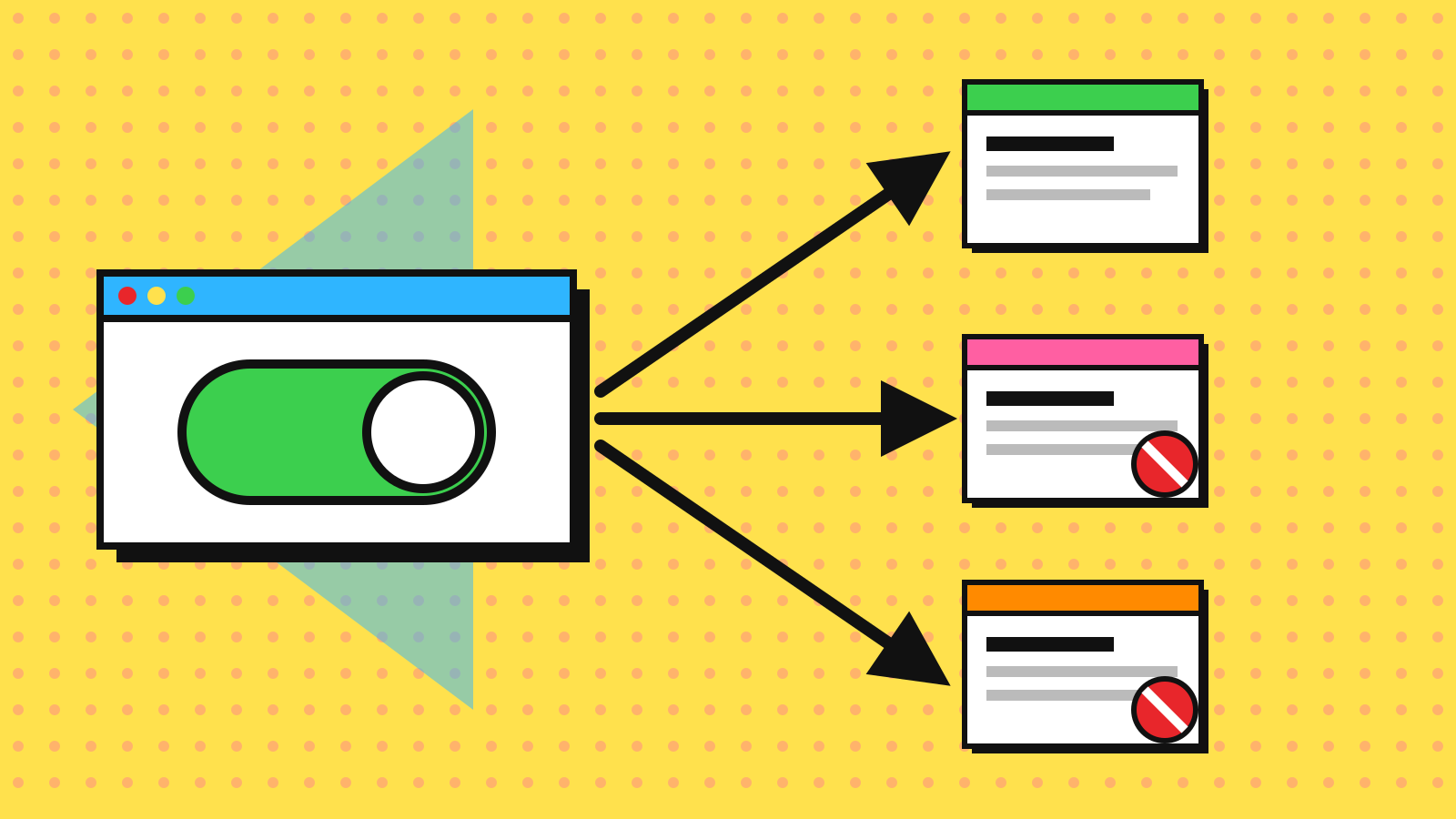
Google Ads Editor 2.14, released November 12, 2026, now creates every new Search campaign with AI Max, text customization and Final URL expansion switched on. That is a stricter default than Google's September migration, which left Final URL expansion off, so any campaign bulk-built in Editor before Black Friday can send clicks to pages you never chose.
The line in Google's release notes is short: "AI Max, text asset automation, and Final URL expansion are now activated by default when creating new Search campaigns." PPC Land spotted the detail sitting among nine other features, most of them about customer lifecycle bidding and background downloads. It's easy to miss. Which is sort of the problem.
Editor is where agencies do their heavy lifting in November. You duplicate last year's holiday structure, swap the dates, paste in 400 new headlines, post. Nobody opens campaign settings one at a time on a bulk build, and that's exactly the habit this default is now quietly counting on.
September was gentler, and that's the odd part
When Google pushed legacy setups into AI Max between September 1 and 30, it tried to preserve existing behavior. According to PPC Land's coverage of the migration, broad match campaigns came over with search term matching on and both text customization and Final URL expansion off. Campaigns using automatically created assets got search term matching and text customization, but URL expansion still stayed off.
So for two months, landing page substitution was something you had to opt into. Now, in Editor at least, it's something you have to opt out of. Google hasn't explained the difference, and the release notes don't say whether the same default applies to campaigns built in the web interface, through the API, or via spreadsheet imports into Editor. I'd assume yes until proven otherwise, though honestly that's a guess.
And to be fair, Google has been sliding toward this for a while. Editor 2.10 added the AI Max toggle back in July 2025. Version 2.14 just changes which position that toggle starts in. Small change in the code, a pretty big change in what lands on your landing page report.
Why the URL part matters more than the AI part
Search term matching gets most of the attention, because it decides which queries you pay for. But Final URL expansion decides where those people end up, and it comes with two side effects that don't show up in the toggle.
First, it can't run alone. Google's AI Max implementation guide says Final URL expansion isn't available without text customization, so turning it on also means Google writes headline variations based on whichever page it picks. Second, pinned headlines stop being respected. If you pin a disclaimer in position one for legal reasons (finance, healthcare, alcohol, anything with a compliance reviewer), a default-on build can quietly unpin it.
Think of it like handing the valet your keys and saying "anywhere in the garage is fine." Most of the time you get a decent spot. Occasionally your car ends up next to the dumpster, and you only find out when you walk down there.
Google's own Performance Max documentation is blunt about the scope: Final URL expansion can serve traffic to any page on your domain that hasn't been excluded. Blog posts, careers pages, the store locator, the "about our founder" page. All fair game unless you say otherwise.
The performance case is still mostly Google's
Google's headline figure for AI Max, repeated in its implementation guide, is 14% more conversions or conversion value at a similar CPA or ROAS, rising to 27% for campaigns that mostly use exact and phrase match. Those are Google's numbers, not independent tests.
The independent data is messier. In one widely shared analysis, Ezra Sackett, director of paid search at Monks, looked at roughly 30,000 search terms matched through AI Max and found that 99% of their impressions had zero conversions. Some brand case studies went the other way: L'Oréal Chile reported a 2x conversion rate at 31% lower cost per conversion after enabling search term matching. We covered the more mixed picture earlier this year in AI Max's 13% revenue lift that came with a 16% higher CPA.
Notice what's missing from all of that, though. Nobody has published a clean test isolating Final URL expansion on Search. The tests mostly bundle it with everything else, or skip it. So the one feature 2.14 adds beyond September's settings is also the one with the least public evidence behind it.
The setting with the thinnest evidence is the one Editor now turns on for you.
A 20-minute Editor audit before you post the holiday build
Black Friday is November 27. If you're building new Search campaigns in Editor over the next two weeks, this is roughly the order I'd go in:
- Check new campaigns before posting. In your pending changes, look at the AI Max setting on every newly created Search campaign. Decide deliberately for each one rather than accepting the default by accident.
- If you keep AI Max but don't want URL substitution, turn Final URL expansion off and leave search term matching on. That reproduces what September's migration gave existing broad match campaigns, which seems like a sensible middle ground for a peak week you don't want to experiment on.
- If you keep URL expansion on, add URL exclusions first. Google's AI Max reporting help page puts them in the "URL exclusions" tab on the Keywords page. Start with /blog, /careers, /about, account and login pages, and any category that'll be out of stock by Thanksgiving.
- Look hard at any campaign with pinned headlines. If the pin exists for compliance, URL expansion has to stay off. No exceptions there.
- Set a 7-day review. In the landing pages report, the "Selected by" column flags URLs AI Max chose. My rough rule: if Google-selected pages take more than 20% of clicks and convert at less than half the rate of your chosen URL, exclude them. That threshold is a judgment call, not a Google benchmark, but it's a reasonable place to start.
Anyway, two more places to look if you want the full picture: the "Expanded final URL assets" tab in the asset report shows which headline and URL combinations served, and the keywords report rolls this traffic into a "Total: AI Max landing page matches" row. That row is the quickest gut check. If it's big and you never meant to have one, something got posted with defaults on.
Where this is probably heading
This is the second default in about a month that assumes you'd rather Google decide. PMax will start scraping images from your site by default on December 4. Channel prioritization, now supported in Editor 2.14 as well, at least pushes the other way and gives you more control (we wrote about its 0% Search partners cap last month). The direction is pretty clear even if each individual change looks small.
My guess, and it's only a guess: by mid-2027, more than half of new Search campaigns will run with Final URL expansion on, and most of those advertisers won't have chosen it. Defaults win because people are busy, especially in November.
On paper, letting Google route a query like "waterproof hiking boots women's" to the right category page instead of your homepage sounds like an upgrade. And sometimes it is. I just think it should be a decision someone made on purpose, ideally before the week your account does a big chunk of its annual revenue, and not something you discover in mid-December while wondering why the careers page has a conversion rate.