Google Opened Search to Outside Apps, and the Last One You Used Wins
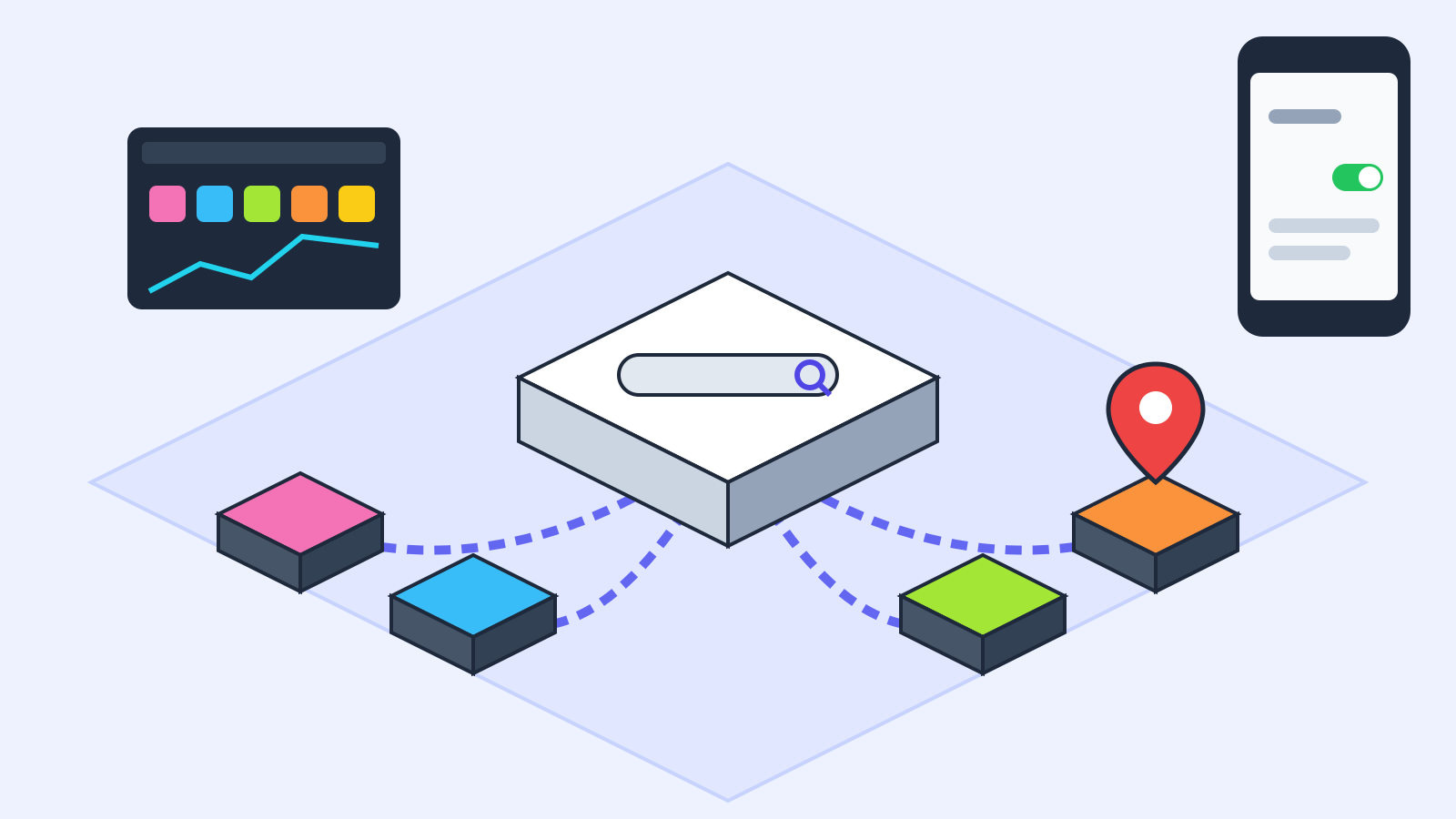
Google opened a developer preview of its Connected Apps Platform on October 28, 2026, letting any approved developer put an app inside Google Search, the Gemini app, or both through an MCP server. More than 50 Connected Apps are already live. The detail that matters most for brands sits in Google's help docs: Search may default to the app a user picked last time for that task.
That one line changes how I'd read the whole announcement. Most of the early coverage frames this as Google building its own version of the ChatGPT app directory, a new storefront where brands compete for discovery. Some of that is true. But the mechanics Google has actually published look a lot more like a default-setting fight than a shelf-placement one, and those reward very different behavior.
What Google actually shipped today
According to Google's announcement, written by product leads from both Search and the Gemini app, developers integrate through either a cloud-hosted MCP server or Android MCP using the AppFunctions APIs. They register, test and submit through a new Google Connected Console. Before review, they choose whether the app goes live in Search, Gemini or both. After launch, they get traffic, latency and error-rate tracking, plus "verified logos and authenticated accounts."
Google's pitch is "build once and reach high-intent users across both Search and the Gemini app." Adobe, Experian, Localiza and Peloton are live in Gemini now and come to Search "in the coming weeks," with Calm launching on both. 9to5Google notes that until now, getting a Connected App built meant working closely with Google directly. Dropbox, Instacart, OpenTable and Ticketmaster were in that earlier hand-built group.
Sign-up and documentation live at developers.google.com/connected-apps. Access is phased. Google says more developers, markets and products will follow "over the coming months," and it hasn't named a single market for the preview.
The help page says more than the launch post
The announcement doesn't explain how a user finds or turns on an app. Google's Search help page for connected apps does, and it's worth reading slowly. Apps in AI Mode work in the US, in English. A user can name an app in their request, or make a general request and choose from the apps offered. If the app isn't linked, they get prompted to link their account with it. Then this: Search may default to the app you used last, though you can name a different one.
Read those three mechanics together:
- Discovery happens once, inside a list Google shows for a general request.
- Linking requires an account with your service, which is real friction for a first-time customer.
- After that, the user's last choice becomes the default for the task.
So the expensive moment is the first link. Once a user has connected their Instacart account and built a cart through AI Mode, the next "make me a grocery list for Thursday" probably goes to Instacart without anyone else getting a look. That's how default search engines worked on browsers for twenty years, just compressed into individual tasks.
The first app a customer links for a task may be the last one Google ever offers them.
And to be fair to Google, "may default" is soft language. It might weaken the default later, or show alternatives more aggressively for commercial categories. I'd still plan around the version that's written down, not a hoped-for one.
Why this favors your existing customers, not new ones
The story's original framing (that brands shipping an app early will grab AI Mode placement competitors can't buy) is half right. The placement part holds up. The "new customers" part I'm less sure about.
Think about who links an account. Someone who already has a Peloton login, or an Experian account, or a saved Calm subscription. A stranger asking AI Mode for a meditation app is far more likely to get an answer from the web, or from whatever app list Google offers, than to create a new account mid-query. Search Engine Roundtable's write-up puts it bluntly: searchers won't see an app unless they've added it to their personalized Search settings.
That makes Connected Apps look less like an acquisition channel and more like a retention one. The analogy I keep landing on is a loyalty card that lives in someone else's wallet: very valuable if your customer already carries it, close to useless for winning someone new. For subscription brands, marketplaces and anything with repeat ordering, that's a decent trade. For a DTC brand that mostly sells one-time purchases to cold traffic, I'm honestly not sure the engineering time pays back yet.
Anyway, the scale is real enough to take seriously. PPC Land's coverage of the July 16 launch, when Instacart, Canva and YouTube Music went live in AI Mode, notes that AI Mode passed one billion monthly active users as of May 2026. Even a small linked-account share of a billion monthly users is a lot of repeat tasks.
The measurement hole nobody mentioned
PPC Land's analysis of today's preview spotted something I'd put near the top of any business case: the console shows traffic, latency and error rates, and nothing about conversions. No Google Ads link, no Google Analytics connection, no conversion tracking. The post also says nothing about fees, revenue share, how Google picks between competing apps in the same category, or what data flows each way when accounts are linked.
That last gap matters more than it sounds. Google's privacy policy update from mid-October already lets connected Gmail, Drive and Photos data shape ads in some cases. Whether third-party Connected App activity gets the same treatment is unanswered. If you're about to hand Google a structured view of what your customers reorder, I'd want that in writing first. We covered the advertiser side of that policy shift in Google's Gmail ad exception, and the same questions apply here.
It also connects to a pattern we've seen on the OpenAI side, where ChatGPT started pulling answers straight from brand sites instead of third-party forums. Both platforms seem to be moving toward talking to brands directly through structured interfaces. Whoever exposes clean, callable actions gets used. Whoever only has marketing pages gets summarized, maybe.
The 5-tool test before you commit engineering time
Here's the exercise I'd run with a product lead this week. It takes about an hour and decides whether you should sign up at all.
- List the tasks your logged-in customers repeat. Reorder, rebook, check a balance, track a delivery, change a plan. Pull them from your own app analytics, ranked by monthly frequency.
- Keep only tasks that finish in five actions or fewer. The test app in Google's console screenshot shows 5 tools synced, which is a useful sanity ceiling for a first build. "Search inventory, add to cart, confirm" fits. "Configure a custom sofa" doesn't.
- Check the share of revenue from those tasks. My rough threshold: if repeat, logged-in tasks drive less than about 20% of monthly revenue, I'd wait for Google to publish selection rules and conversion reporting. Above that, sign up for the preview now.
- Write the measurement plan first. Since the console won't report conversions, tag every handoff URL your MCP server returns with its own UTM source, and log orders that start from an MCP call on your server. Otherwise this traffic disappears into "direct," which is where most AI traffic already ends up.
If your MCP server already exists for ChatGPT or Claude, most of this is configuration rather than new code. That's probably the single best argument for moving early.
Where I think the default fight lands by spring
My guess, and it is a guess: by the end of March 2027, most Search-facing task categories (groceries, fitness, travel, credit) will have fewer than three Connected Apps live in the US, and the first one in each will hold most of the linked users. Defaults tend to calcify fast. Google's own browser deals are the best evidence for that.
I could be wrong about the speed. Google may open the list up, or users may just ignore the feature the way they ignored a lot of Assistant actions. But if your brand already has customers who log in every week, being the app they link first seems like a small, cheap bet against a fairly expensive outcome, which is watching a competitor become the thing Google reaches for by default.