Google Put Target's Cart in AI Mode, and Your Sponsored Products Can't Follow
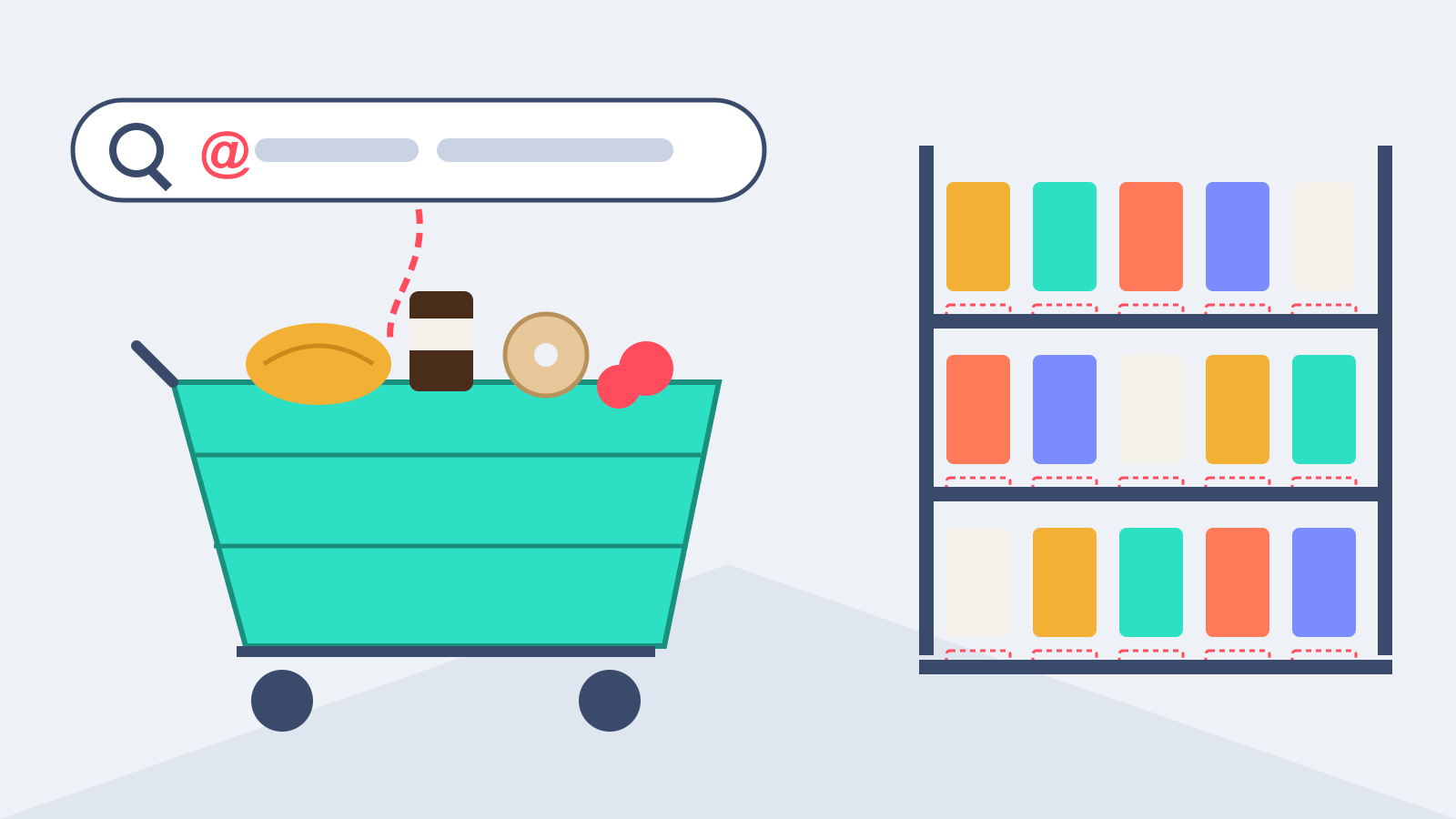
Google began rolling out Connected Apps for Albertsons, Safeway, Shaw's and Target inside US Search and the Gemini app on November 20, 2026, letting shoppers build a grocery cart by typing "@Target" in AI Mode. Google's Connected Apps policy bars partners from serving third-party ads through those integrations, so the sponsored placements CPG brands buy from Roundel and Albertsons Media Collective have no obvious slot inside AI-built carts.
That second sentence is the one I keep coming back to. PPC Land's writeup of the launch walks through Google's own demo: a user asks AI Mode for brunch items from Target, follows up with "@Target" and a list (bagels, cream cheese, strawberries, croissants, cold brew, juice), and gets a pickup cart at a Nashville store with a $37.49 subtotal for 8 items. Two of the six products are Target's own labels, Favorite Day croissants and Good & Gather cold brew. The rest are national brands that showed up because they matched the request, not because anyone bid on them (as far as anyone can tell).
Google hasn't said how products get chosen, who processes payment, or whether ads will ever appear in these flows. PPC Land flagged all three as open questions. For now, the only written rule is the policy.
The rule that keeps your sponsored listing out
Google's Connected Apps Platform policy says partners must not serve any third-party advertising content or promotional material through their integrations. It also says this doesn't prohibit the partner's own brand elements.
Read that as a CPG brand manager and it gets uncomfortable fast. On target.com, your sponsored product ad sits at the top of the "cream cheese" search because you paid Roundel to put it there. Inside AI Mode, the same request runs through Target's connected app, and Target, as far as I can tell from the policy text, isn't allowed to insert your paid placement. Its own logo, its own store, and plausibly its own products are a different matter. Whether "own brand elements" stretches to Good & Gather getting a nudge is something Google hasn't clarified, and I'd want that answered in writing before assuming either way.
It's a bit like paying for an endcap and then finding out the store hired a personal shopper who walks every customer straight past it.
Why the timing stings for Roundel buyers
Target reported on November 18 that advertising revenue rose about 23% to $296 million in its third quarter, and the company's Q3 2026 earnings summary leans on Roundel as a growth line. That $296 million is quarterly ad revenue booked in net sales, and PPC Land notes it understates the full network, since some brand payments land as lower costs instead of revenue.
Albertsons is in the same spot from a different angle. Albertsons Media Collective joined Google's Commerce Media Suite on April 27, piping shopper data from more than 2,200 stores into YouTube and Display & Video 360. So Albertsons already sells Google-adjacent media to brands. Now Google also hosts an Albertsons cart, and the ads can't come along.
Honestly, I don't think either retailer loses much right now. AI-built carts are probably a rounding error of grocery orders this holiday season. The risk is directional: every order that starts in AI Mode instead of the retailer's own search bar is an order where the sponsored shelf doesn't exist.
How small is this, really?
Probably small, at least for a while. A few data points push in that direction.
Walmart said earlier this year that in-chat checkout through ChatGPT converted three times lower than click-out links. An ACI Worldwide and YouGov survey of 2,080 UK adults found 60% would abandon an AI shopping agent after one mistake, and grocery is the category where mistakes are constant (wrong size, wrong brand, out of stock, the substitution nobody wanted). And Google's cross-retailer basket, Universal Cart, only reached US Search and Gemini in October. Modern Retail's read back in June was that signing retailers would be easy and getting shoppers would be the hard part. That still seems right.
So no, nobody's Roundel budget is collapsing in December. On paper the launch looks huge. In practice it's a demo with a pickup cart.
Still, plenty of "rounding error" channels have turned into line items, and I wouldn't wait for a dashboard to announce it. Google has been stacking these: the Connected Apps platform opened to outside developers in late October, Instacart was already in AI Mode, and now two of the biggest grocery ad networks in the US are plugged in too.
The share-of-cart audit I'd run before Thanksgiving
None of this is measurable from your side yet, which is exactly why it's worth asking now, while retailers want brands to feel good about holiday spend. A rough plan, maybe 30 minutes of work:
- Run 10 of your core queries through AI Mode yourself. Use "@Target" and "@Safeway" with the kind of request a shopper would type ("snacks for a kids' party, from Target, pickup"). Screenshot which products land in the cart. If your brand shows up in fewer than 3 of 10, you have a visibility gap the sponsored budget can't fix.
- Note every private-label substitution. If Good & Gather or Signature Select keeps winning slots your brand holds in paid search on the retailer site, that's the pattern to document. Even 2 or 3 examples is enough to make the conversation concrete.
- Ask your Roundel and Albertsons Media Collective reps two questions in writing. First, will they report orders that originated in a Google connected app separately? Second, how do they think the no-third-party-ads rule affects the share of your category sales your sponsored budget can actually reach?
- Check your product data like it's SEO. If selection is relevance-based (Google won't confirm, but it seems like the likely default without ads), then titles, sizes, ratings and in-stock rates on the retailer's catalog decide inclusion. Reviews probably matter more than they used to; the Favorite Day croissants in Google's demo carried 32 reviews and a 4.8 rating.
I'd also watch whether Walmart joins. It co-developed the Universal Commerce Protocol and announced Gemini checkout back in January, yet it isn't on this grocery list. Maybe it's timing. Maybe Walmart Connect doesn't love a rule that switches off its ad inventory, which would be a perfectly rational reason to hold out.
Where I think this goes by spring
My guess, and it's a guess: Google won't keep a blanket no-ads rule for commerce apps once order volume is real. This is the company that just expanded AI Mode ads while admitting they earn less, and it has no reason to leave grocery shelf space unpriced forever. I'd put better-than-even odds, call it 60%, on Google or its retail partners announcing some form of sponsored placement inside connected commerce apps by mid-2027, most likely sold by Google rather than by Roundel.
That would be the real shift. The shelf moving from the retailer's ad network to Google's.
And to be fair to Target and Albertsons, signing up probably wasn't optional. Sitting out of AI Mode while Instacart sits in it is its own kind of risk, especially with DoorDash buying Instacart for about $17 billion. They traded a little ad control for distribution, which is the trade everyone keeps making with Google.
For brands, though, the practical part is smaller and more boring than any of that. Find out whether you show up in the cart when nobody's paying for it. If you don't, your retail media plan has a hole in it, and it's one your rep probably hasn't mentioned yet.