HubSpot Shrugged Off an 80% Traffic Drop (Your Blog Probably Can't)
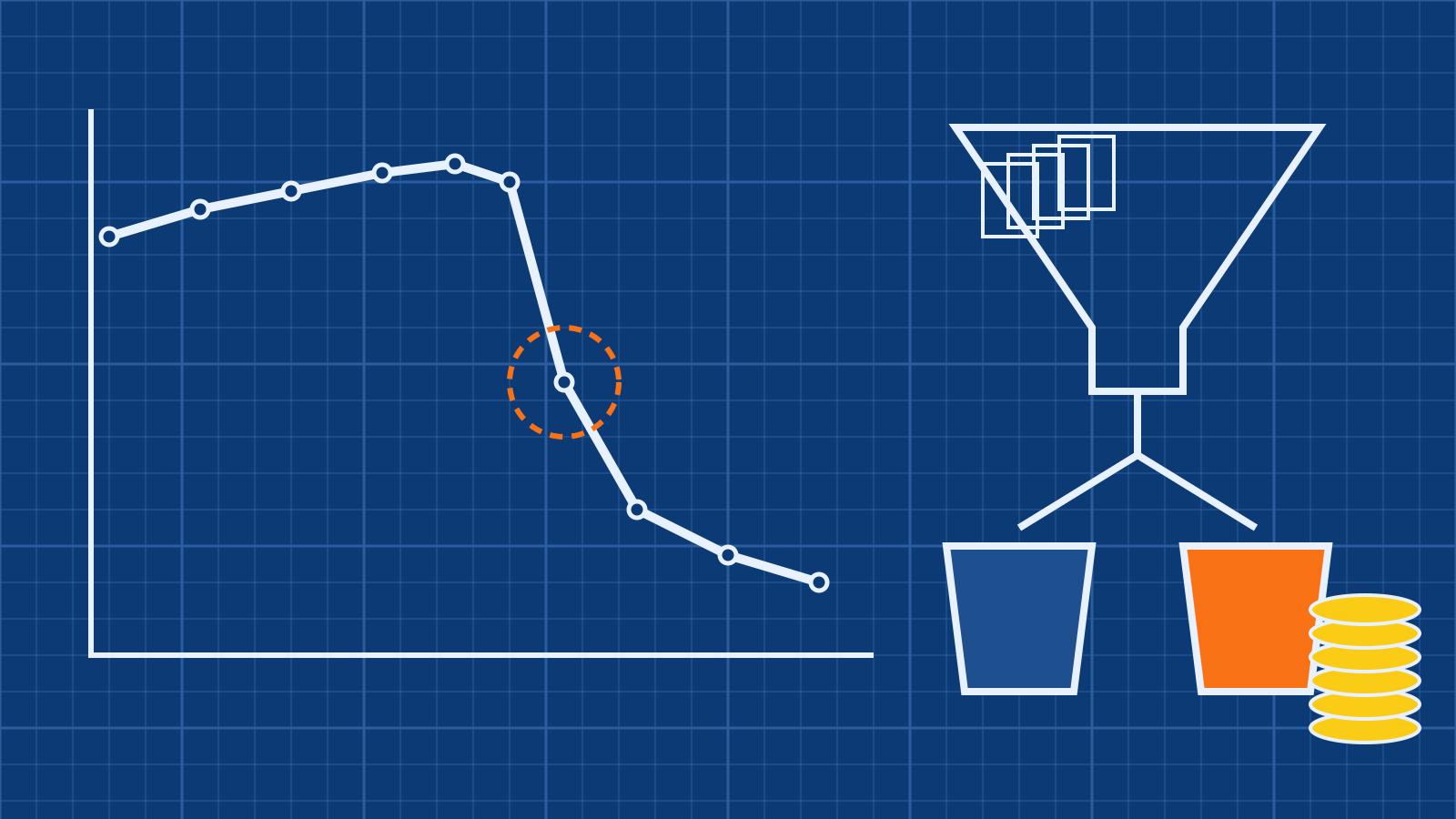
HubSpot's blog lost about 80% of its organic traffic from a peak of more than 20 million monthly visits, yet company revenue grew 19% to $3.13 billion in 2025. CMO Kipp Bodnar says most of the lost visits were never buyers. That defense holds only if your lost traffic was off-topic, and an AI Overviews field study suggests most lost clicks weren't low quality.
Bodnar laid out the full story in a long interview with Search Engine Journal's Greg Jarboe published today, timed loosely around his new book. It's a good read. It's also, inevitably, the version of events told by the person whose job was on the line when the traffic chart went sideways.
I don't think he's wrong. I think a lot of marketing teams are about to quote him in a budget meeting when their situation doesn't match his, and that's the part worth slowing down on.
What actually went missing from HubSpot's blog
The traffic HubSpot lost was weird traffic for a CRM company. Per the SEJ piece, some posts targeted searches like "famous quotes" and how to type a shrug emoji. When Danny Goodwin dug into the first big drop for MarTech in January 2025, the losing topics included famous quotes, resignation letters and cover letter examples. Semrush data cited there showed HubSpot's organic traffic falling from 13.5 million in November to 8.6 million in December 2024, with the blog taking most of the hit.
Nobody searching for a resignation letter template is about to buy Sales Hub. (Well, maybe one in ten thousand. They're switching jobs, after all.)
So when Bodnar says the 80% was mostly low-value traffic, he's describing a specific portfolio: a blog that spent years farming high-volume searches far outside its expertise. Google's core updates and AI Overviews went after exactly that kind of content. Losing it hurt the vanity chart and barely touched the business.
Worth flagging: HubSpot itself never confirmed the 80% figure. In Bodnar's own explainer on the HubSpot blog, he says "traffic has indeed fallen for many of our informational keywords" while "performance for transactional keywords is as strong as ever." He also writes, "We never cared about vanity metrics like traffic," which is a funny line from the company that taught a generation of marketers to chase blog traffic. Anyway.
The revenue part checks out, mostly
The growth claim is real. HubSpot's Q4 2025 earnings release reports full-year revenue of $3.13 billion, up 19% as reported, with customers up 16% to 288,706. Those are not the numbers of a company whose demand engine collapsed.
But revenue growth and organic traffic were never tightly linked at a company HubSpot's size. A big share of that revenue comes from existing customers adding seats and hubs. A blog traffic drop would take quarters, maybe years, to show up in a number that big.
And the company isn't exactly coasting. On October 6, HubSpot announced it would cut nearly 660 jobs, about 7% of staff, with the stock down roughly 46% for the year, according to the Boston Globe. CEO Yamini Rangan said the cuts weren't driven by AI efficiencies, and nobody has tied them to marketing or search. I'd just be careful presenting HubSpot as the picture of a company that shrugged off the AI search shift with no consequences.
Where the "it was junk traffic" story breaks for everyone else
The comforting takeaway from the interview is that lost clicks are low-value clicks. There's actual evidence against that as a general rule.
Researchers Saharsh Agarwal and Ananya Sen ran a randomized field experiment on AI Overviews, and the updated results covered by SEJ in July found organic clicks fell 39.8% when Overviews appeared. The part that matters here: they found no statistically significant difference in click quality between groups. Bounce-backs to the results page, sub-10-second visits and time on site all looked about the same. The authors said that's "at odds with the view that AIOs primarily eliminate low-engagement website visits."
Put plainly:
HubSpot's lost traffic was low value because HubSpot's content was off-topic. Yours might have been on-topic.
If your blog belongs to a B2B SaaS company writing about the problems your product solves, and you lost 40% of informational clicks, the Agarwal and Sen data suggests you probably lost real readers, some of whom would have entered a nurture flow. That's a different problem from HubSpot's, and it seems to call for a different response than "pivot to influence and stop caring."
The exposure is also growing fast. AI Overviews jumped from 30% to 89% of review searches in one year, which pushes the problem well past informational fluff and into queries that sit much closer to a purchase.
The pipeline cut most teams have never run
Before you react to a traffic drop, in either direction, split your organic landing pages into two buckets: pages that have ever touched pipeline and pages that haven't. That's the analysis HubSpot effectively ran in public, and from what I've seen, most teams have never done it once.
A version you can do this week in about an hour:
- Pull 16 months of organic landing page data from Search Console or GA4, so you see both sides of the drop. Sort by lost clicks, not lost percentage.
- Join it to your CRM. For each of the top 100 losers, count contacts whose first or any-touch session started on that page, and whether any of them reached an opportunity. A first-page-seen field in HubSpot or Salesforce gets you most of the way.
- Bucket the losses. Pages with zero pipeline contacts in 16 months go in the "HubSpot bucket." Pages with any go in "real loss."
- Compute the ratio. If 70% or more of your lost clicks sit in the HubSpot bucket, Bodnar's story probably applies to you and you can stop panicking. If more than about a third of lost clicks came from pages that used to produce pipeline, you have an actual demand problem and the fix is distribution, not acceptance.
That 70% line is my own rough threshold, not a law. Adjust it for your sales cycle. Long enterprise cycles mean a page can look dead for a year and still matter.
Bodnar's metric list is useful here too. He told SEJ that HubSpot now tracks revenue per visit, AI share of voice and content-influenced pipeline. If your SEO report still opens with sessions, revenue per visit is the easiest swap to make this month. We made a similar point when direct traffic rose 141% across 12 sites while engaged direct sessions barely moved: the raw session line is lying to you in more than one direction right now.
The numbers I'd discount a little
A few claims in the interview deserve an asterisk. Qualified leads from AI answers grew 1,850% from Q1 2025 to Q1 2026, which the SEJ piece itself notes likely starts from a small base. AI-referred leads reportedly convert at about 3x the rate of traditional search, though Bodnar calls the attribution "correlative." And the article cites HubSpot pruning "more than 3,000" blog pages in one place and "more than 30,000" in another. One of those is a typo, and which one changes the story quite a bit.
The 90% figure is the one I'd actually think about. About 90% of HubSpot's content-driven leads now come from channels that barely existed in its mix five years ago (The Hustle newsletter, a podcast network, a YouTube network, a creator program), with the blog at roughly 10%. HubSpot started building most of those in 2021, years before it needed them. Most companies can't buy a newsletter with a few million subscribers. They can start one, though it will probably take about as long as it took HubSpot.
It's a bit like a store that lost its foot traffic after the highway moved, then pointed out that its delivery business had been growing all along. True, and good for them. It doesn't help the shop next door with no delivery business.
A forecast, and a slightly uncomfortable admission
My prediction: by the end of Q2 2027, at least half of the B2B SaaS earnings calls that mention organic search will frame it as a "pipeline quality" story rather than a traffic story, borrowing HubSpot's language whether or not their own data supports it. Some of them will be right.
And to be fair to Bodnar, the core advice is sound. Measure the business, not the sessions. Build audiences you own before search gets worse. It's just easier to say when the traffic you lost was famous quotes.
If your blog never chased that stuff, the honest move is to run the pipeline cut first and find out which story you're living in. It might be HubSpot's. It might be a quieter, more expensive one.