Instagram Cuts Reel Distribution Above 50% Skip Rate. The Fix Is Frame One, Not the Hook.
Instagram replaced its old view rate metric with skip rate in late 2025, surfacing the percentage of viewers who scroll past a Reel inside the first three seconds. Social Media Today reported the rollout in August 2025, and creator analytics tools have since converged on a clear threshold: a skip rate between 30 and 40% is healthy, above 50% and your Reel loses distribution. The fix most creators reach for is the verbal hook. The signal Instagram is actually measuring is the half-second before anyone hears it.
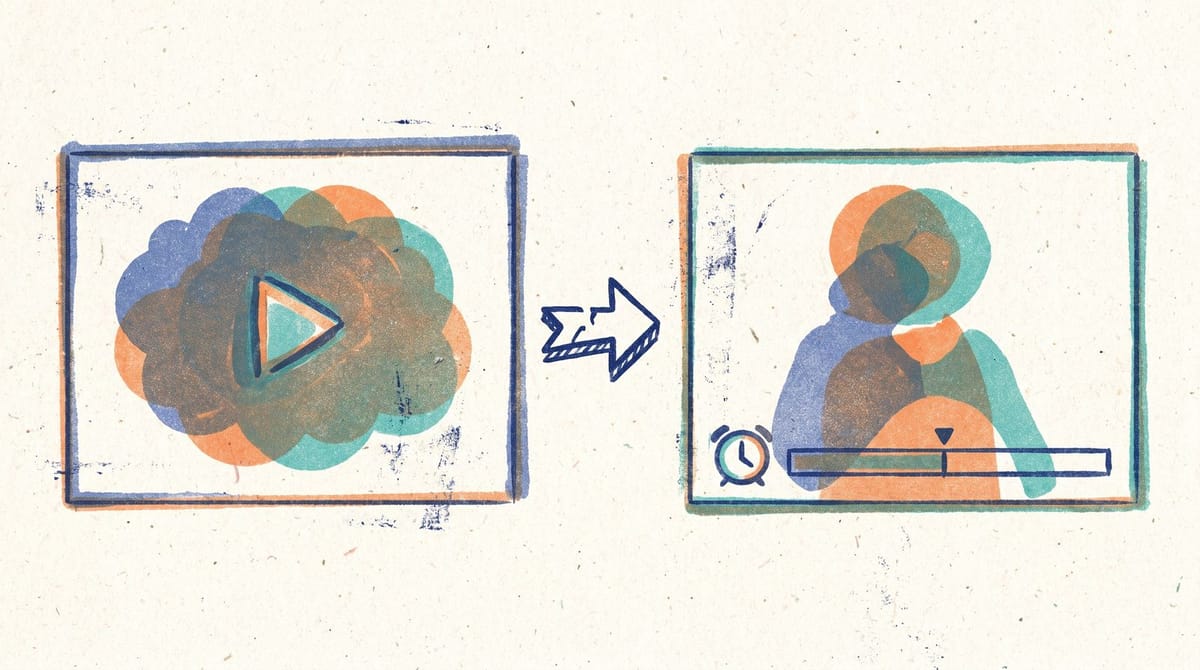
By the time a viewer hears your hook, the decision is already made. Skip rate is fighting for the gap between the cover image people tapped on and the first frame the player renders. If those two visuals do not match, the thumb is already moving.
What changed: the metric Instagram chose to surface
The old view rate metric counted views as a positive number. Skip rate counts the inverse, and creators see it first when they open insights. That ordering is doing more work than it looks like. Metricool's breakdown walks through how the new chart pairs skip rate with a retention curve, and the practical effect is that creators are now staring at a number Instagram has decided to make uncomfortable.
Mosseri has been consistent for over a year that watch time is the dominant Reels signal, and that the first three seconds carry disproportionate weight. Hootsuite's 2026 algorithm overview still leads with watch time, likes per reach, and DM shares as the trio he has named. Skip rate is not technically a fourth signal. It is the negative read of the same first-three-second window, surfaced where creators cannot avoid it.
The reason that matters: Instagram is not asking creators to optimize for a new ranking factor. It is asking them to debug the one that was already deciding distribution.
The half-second nobody is auditing
Here is the part most creators get wrong. The discussion about hooks lives in the verbal layer. Voiceover, on-screen text, the first sentence. But Instagram serves a static cover image inside the feed and the player, and the cover image triggers the tap. The first frame of the video is what plays the instant the user lands. If those two visuals are not the same person, the same composition, the same color palette, the same product, the brain registers a mismatch in roughly 200 milliseconds and the thumb keeps moving.
That mismatch is what gets logged as a skip. Not a content judgement. Just a continuity failure.
I think most teams will overcomplicate this. They will A/B-test ten hook variations and never check whether the cover and frame one are visually consistent. From what I have seen on creator accounts run by people I trust, the lift from fixing the cover-to-frame-one gap is usually larger than anything you can do to the script.
Why the platform built it this way
The strategic context is creator pricing. View rate flattered everyone. Skip rate gives a buyer one screenshot they can hand a creator and say "explain this." Influencer rate cards are now negotiated against a number that punishes weak openings, not a number that hides them.
Which means the consequence of a 55% skip rate is not just lower organic reach. It is also a smaller invoice. The platform has effectively built the comp tool brands were missing, and it works whether or not the brand actually opens insights, because the creator now knows the brand could.
That is a quiet shift in negotiating power that nobody is calling out loudly. Brands did not lobby for skip rate. Instagram added it anyway, and on paper the move helps creators improve. In practice it gives buyers a reason to pay less when retention is soft. Both things are true.
The frame-one audit, in six minutes
Pull your last ten Reels. For each one, screenshot the cover image and the first frame at 0.0 seconds. Stack them side by side. You are looking for three things, in order:
One: the dominant subject. If the cover shows a face and frame one shows a wide shot, the viewer's eye has to relocate. That relocation costs you the half-second.
Two: the dominant color. A blue cover into a yellow frame one reads as two different posts. The brain treats the second one as content it never agreed to watch.
Three: the on-screen text. If the cover has a headline and frame one has none, the viewer assumes the post is something else and skips. Carrying the same line into frame one for at least the first second cuts skip rate more than rewriting the line ever will.
If your skip rate is above 50% on most of those Reels, the fix is almost never the script. It is the thumbnail picker. Instagram lets you upload a custom cover that is also frame one of the video. Use that. The default cover Instagram picks is whatever frame the AI thinks is most representative, which is exactly the frame the viewer did not tap on.
What a healthy benchmark actually looks like
The 30-40% range Metricool cites tracks with what creators on r/socialmedia have been reporting after Instagram rolled the metric out. The original viral analysis from a long thread on r/socialmedia argued the threshold is roughly content-neutral, which lines up with how the algorithm actually computes it. A finance educator and a beauty creator can both sit in the 30s if their cover-to-frame-one transitions are consistent. They can both spike to 60 if the transition is jagged, regardless of how good the rest of the Reel is.
Watch the post over a week, not a day. Skip rate spikes early because the algorithm pushes the Reel into a cold audience first. The number that matters is what it settles at after distribution stabilizes around day three. If that settled number is above 50%, the post is being capped.
Three things this changes about creator content
Cover design is now production work, not an afterthought. The "pick a frame" picker is the single highest-impact decision for distribution, and most teams hand it to whoever uploads the Reel. That should change.
The hook is no longer where attention is won. The hook is where attention is held, which is a different job. Verbal hooks should be designed assuming the viewer has already decided to watch, not that they are deciding in real time.
Brand deals will start including skip rate floors in contracts. Some agencies are already writing them in. If you negotiate creator deals, expect a clause that voids partial payment when skip rate exceeds a stated threshold within seven days. We covered the broader pricing pressure on creators in our piece on Favikon and the under-$300 creator deal economy, and skip rate is the metric that makes those deals quantifiable.
I would not be surprised to see a benchmark service emerge inside the next year that scores creators by their settled skip rate across content types and charges brands a subscription to access it. The data exists. Somebody will productize it.
The thumbnail picker is the new hook
The thing about skip rate is it punishes a decision creators are not used to thinking of as a decision. The cover image used to be a courtesy to grid aesthetics. Now it is a load-bearing piece of the distribution system. The teams who treat it like content, with the same care they put into the first sentence of voiceover, will see the lift inside three weeks. The teams who keep auto-picking the cover and rewriting the hook will keep watching their skip rate sit in the high 50s and wonder why nothing in the script is moving the number.
Skip rate is not a new ranking signal. It is a forced confession from a metric that was already running.