Meta's New Small Business Agent Will Grade Meta's Own Ads (Check Its Math)
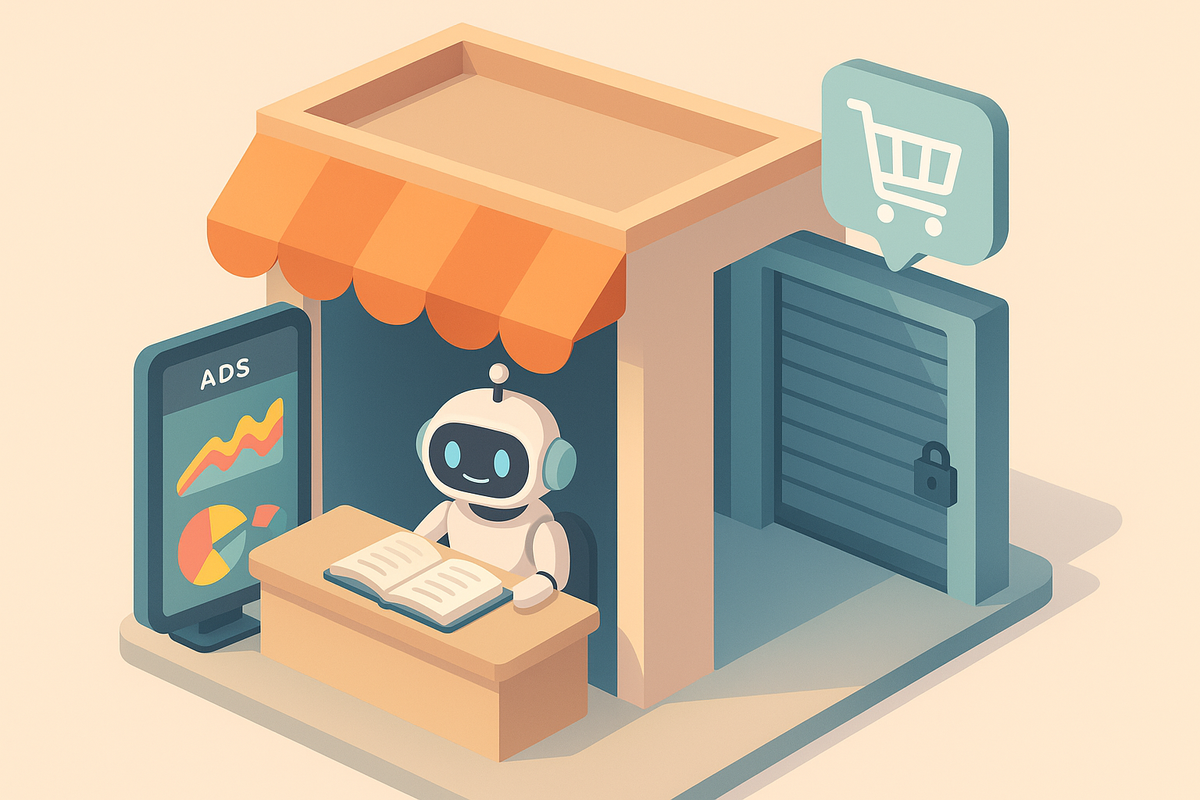
Meta launched Muse for Small Business in the U.S. and Canada on September 29, 2026, letting its AI agent connect to Meta ad accounts, Instagram analytics, Shopify, Stripe, QuickBooks and more than a dozen other tools. The catch for advertisers: the agent suggesting fixes to your Meta ads is built by the company selling them, so check its numbers against your own revenue first.
Here's what Meta actually shipped, per its announcement. Muse for Small Business plugs into Asana, Box, Canva, Dropbox, Figma, Granola, HighLevel, Intuit QuickBooks, Klaviyo, Lovable, Notion, Shopify, Slack, Stripe and Zoom, plus your Facebook Page, Instagram professional account and ad accounts. The sample prompts Meta highlights are telling: "Analyze this year's sales, campaigns, and social and make me a growth plan" and "How do I improve my ads and content?" It's free with usage limits, with a paid subscription for heavier use.
Meta's pitch line is that small businesses "told us they're short on hours, not ideas." Which is probably true. It's also a very convenient finding for a company whose agent needs your ad account credentials to be useful.
The agent grading Meta's ads works for Meta
I don't think Muse is going to be malicious about this. That's not really the risk. The risk is quieter, and it's structural.
When Muse looks at your ad account, the most readily available conversion data is Meta's own attributed conversions. Meta's attribution has historically been generous to Meta (every platform's attribution is generous to itself, to be fair, Google included). So if you ask "what's working in my ads?", the answer gets built on a scoreboard that Meta keeps. And the natural recommendation from a scoreboard that says ads are working is... more ads.
On paper, connecting Shopify and Stripe should fix this, because now the agent can see actual orders and actual cash. And maybe it does. But nothing in Meta's announcement says which number wins when Shopify revenue and Meta-attributed revenue disagree. That's the whole question for anyone spending real money, and it's left unanswered.
An agent that reads your ad account and your books at the same time is only useful if you know which one it believes.
There's a reason Engadget flagged Meta's own caveat that handing Meta your business data "comes with many of the same caveats as using it in your personal life," and that the agent could misread instructions. Meta is being honest there. It's worth taking them at their word.
It also can't see Amazon, which skews the growth plan
This is the part most coverage skipped. A growth plan is only as good as the channels it can see, and Muse is currently locked out of the biggest one in U.S. ecommerce.
Around September 20, Amazon started blocking Muse from its retail site, showing users a warning that "continued access by an unauthorized AI agent violates Amazon's Conditions of Use." Amazon's complaints, according to GeekWire's reporting, were that Meta didn't notify it, that Muse doesn't identify itself when browsing, and that it appeared to store customer credentials. Meta's documentation says credentials are held separately and the model can't read them.
The mechanics are interesting too. No Hacks checked Amazon's robots.txt and found it fully refuses 99 named agents, but Muse isn't one of them, because Meta publishes no user agent string for it. Muse browses as a regular Chromium browser inside the user's logged-in session. So Amazon had to enforce it at the server and terms-of-service level instead. (If you run a site and want the general version of this tradeoff, SEJ's robots.txt vs server-level breakdown covers it well.)
Why a marketer should care: if you sell on Shopify and Amazon, and a meaningful share of your revenue sits in Seller Central, Muse is working from a partial picture. There's no Amazon connector in the launch list. Ask it for a growth plan and you'll get one that sees your Meta ads, your Shopify store and your Klaviyo flows, and treats Amazon as if it doesn't exist. For a lot of DTC brands that's the channel where Meta ads quietly drive the halo sales. The agent would undercount that, which, weirdly, cuts against Meta. I'm honestly not sure which way the net bias lands for any given brand, and I suspect Meta isn't either.
Shopify, for what it's worth, is going the opposite direction and working with Meta on Muse access for agentic checkout. So the walled gardens are sorting themselves into "let the agents in" and "keep them out," and small businesses are going to end up with agents that see some of their business and not the rest. We wrote about the other side of this when Amazon folded its DSP into its own agent: every platform wants to be the one that decides where your budget goes.
Why this will get adopted fast anyway
None of this is going to slow Muse down, and I don't think it should necessarily. The consumer app passed 2.5 million downloads in under two weeks and hit No. 1 on the U.S. iOS free chart, ahead of ChatGPT. Small business owners already live inside Meta's apps. Help Net Security's rundown lists the proactive stuff too, like flagging emails that need replies and drafting first responses. That's real time saved for a two-person shop.
My prediction: within 12 months, the majority of Meta advertisers spending under $10,000 a month will have used Muse to draft or edit at least one campaign. Meta has every incentive to surface it inside Ads Manager, and the free tier removes the only friction.
Anyway, the adoption question isn't really the interesting one. The interesting one is what happens to the quality of decisions when the default analyst is the vendor.
A 20-minute sanity check before you connect anything
If you or a client are going to connect Muse, do this first. It takes about 20 minutes and gives you a baseline to catch drift later.
1. Write down your own numbers before Muse gives you its numbers. Pull last month's total revenue from Shopify or Stripe, last month's total Meta spend, and compute blended MER (total revenue divided by total ad spend across all channels). Also note Meta-reported ROAS from Ads Manager. Save this somewhere Muse isn't connected to.
2. Ask Muse the same question. Something like "What was my return on ad spend on Meta last month, and how did you calculate it?" The "how did you calculate it" part matters more than the answer.
3. Compare. If Muse's figure matches Meta-reported ROAS and not anything tied to Shopify or Stripe revenue, it's reading the platform's scoreboard. My rough rule of thumb: if Meta-attributed revenue is more than about 20% higher than what you can see in actual orders for the same period, don't let any agent (Muse or otherwise) recommend budget increases off that number without a holdout test.
4. Connect least privilege first. Start with Instagram analytics and Facebook Page only. Add the ad account once you trust the reporting. Add QuickBooks last. Meta's "nothing publishes, sends, or spends without your approval" promise covers actions, not what the agent reads.
5. If you sell on Amazon, tell it. Paste your Amazon revenue share into the prompt manually. Otherwise the growth plan assumes it doesn't exist.
This isn't a new problem, honestly. It's the same thing we flagged about using AI for competitor research: the tool is fine, the unchecked number is the danger.
Useful intern, conflicted analyst
The best way I can put it: Muse is probably a good intern and a conflicted analyst. Let it draft the emails, resize the Canva creative and summarize the Slack threads. That's hours back for people who don't have them.
For the "where should my next $500 go" question, though, I'd keep a human with a spreadsheet in the loop, at least until Meta explains which revenue number the agent trusts. Maybe that explanation comes soon and it's a good one. I'd just like to see it before handing over the checkbook.