OpenAI's Ad Roadmap Just Leaked Through Three Job Listings
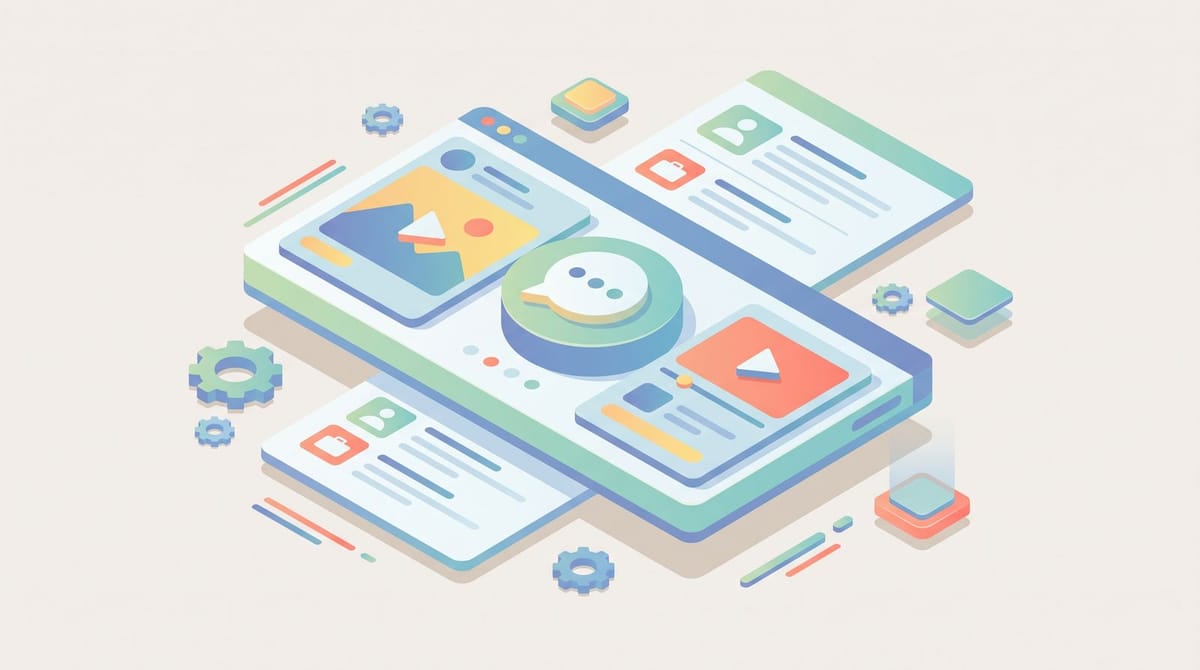
OpenAI is building image, video, native, conversational and interactive ad formats for ChatGPT, according to three engineering job listings posted to its careers page and reported by Digiday on July 1, 2026. The live ad today is still just a headline, an image and a link. The roadmap those roles describe is a full ad stack, which means the quiet single-format test is about to get a lot louder.
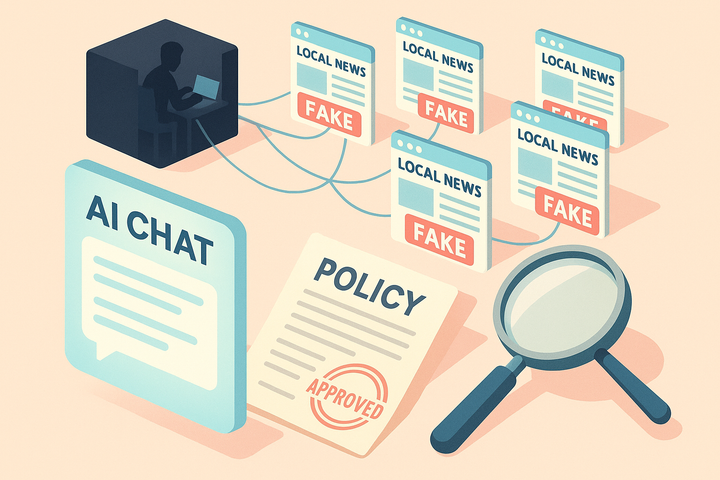
I read the hiring page as a stronger signal than any press release, and here is why. Companies write careful, hedged blog posts about advertising because they are scared of spooking users. They write job descriptions to actually get the work done. When OpenAI posts an "Ad Formats Software Engineer" role asking for seven-plus years of experience to define "ad structure and rendering across platforms," that is not a trial balloon. That is someone being hired to ship.
What three job posts gave away
The Digiday report breaks down the roles: a foundational full-stack Ad Formats engineer, plus dedicated iOS and Android engineers, all San Francisco based, all in the $230,000 to $385,000 range plus equity. The full-stack role is the tell. It owns infrastructure, tooling, and how ads get structured and rendered across surfaces. You do not staff that to keep running a static headline-and-image unit. You staff it to build a system that can render many formats, on web and on both mobile operating systems, at once.
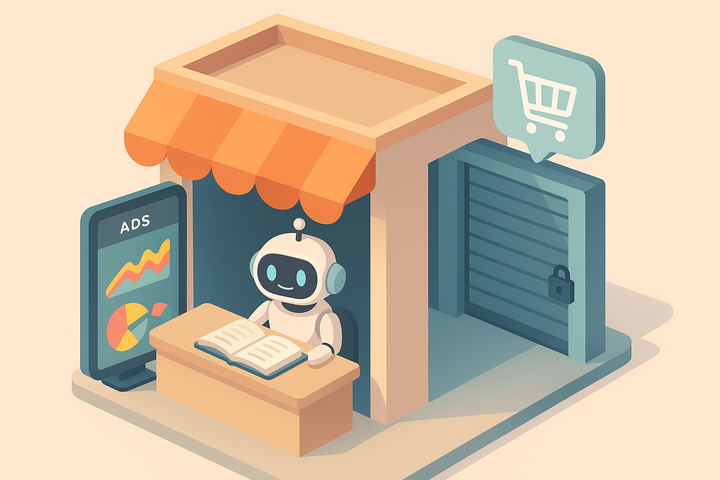
The current unit has barely moved since the U.S. test started. OpenAI shipped a larger image with an optional call-to-action button, then quietly narrowed the whole format to 440 pixels from 480. There is also a product-feed shopping format that auto-generates ads from a retailer's catalog: product names, images and attributes pulled straight from the feed. Small iterations. The job posts point at something much bigger than pixel tweaks.
The format nobody has solved is the one that matters
Image and video ads are a known problem. Every platform has run them. Conversational and interactive ads are the genuinely new thing, and honestly, nobody has a proven playbook for them yet. Rob Webster, CEO of TAU Marketing Solutions, put it plainly to Digiday: "Setting this up is not going to be easy. No one knows what the right way to run ads in OpenAI is."
A conversational ad inside an advice engine is a strange object. If you ask ChatGPT which project management tool fits a five-person team and a sponsored option gets woven into the reply, the ad is competing with the answer for the same attention, in the same voice. That is different from a banner you can ignore or a sponsored search result you can scroll past. It sits where your trust lives.
Andrew Frank, a research VP at Gartner, framed the tension as a "dual-alignment problem." Are you optimizing for user trust or advertiser value? Those two goals are often at odds, and OpenAI has been clear the whole thing collapses if people start feeling sold to mid-conversation. From what I have seen, this is the hardest ad-design problem since the earliest days of paid search, and search had a decade to figure out that ads and organic results could coexist. OpenAI is trying to compress that lesson into a product cycle.
Why the ramp is coming faster than the caution suggests
OpenAI's public messaging is all restraint. By its own stated policy, ads are clearly labeled Sponsored, sit below the answer rather than inside it, and do not influence what ChatGPT tells you, and advertisers only get aggregate performance data, not your chats. Good. That is the right posture for a product with hundreds of millions of weekly users who came for answers, not offers.
But the business math is loud. OpenAI has been expanding the ad test into new markets including the U.K., Brazil and Japan, and it has been building a tool to measure whether those ads actually convert. New markets, plus conversion measurement, plus a hiring push for richer formats. That is not the shape of a cautious experiment. That is the shape of a business getting ready to scale, with the caution as a real constraint rather than the whole strategy. And to be fair, the caution is not just PR. If they break trust in the answers, there is no ad business left to scale. So the restraint is genuine even while the ramp is obviously happening.
Where I would put my prep time before the auction opens
You cannot buy a ChatGPT video ad today, so the move is not to build creative for a format that does not have a spec yet. The move is to get your inputs clean so you are not scrambling when it does. Three things I would do this month, in order.
First, fix your product feed. The one format OpenAI has already automated pulls from your catalog. If your product names are messy, your images are inconsistent, or your attributes are half-filled, that is what an auto-generated ad will surface. Audit the feed you already send to Google Shopping and Meta, because it is very likely the same feed that will power ChatGPT shopping ads. Aim for every product having a clean title, a square high-resolution image, and complete attributes. That is a real afternoon of work, not a quarter-long project.
Second, figure out how you show up in ChatGPT organically right now, before you pay for placement. If a competitor buys a conversational ad against your category and the organic answer already leans toward creators or third-party sources instead of your site, you are paying to fix a visibility problem you could have worked on for free. We covered how AI search often cites sub-1,000-view YouTube videos over brand pages, and that same dynamic decides what a paid unit sits next to. Know your baseline first.
Third, decide now what a conversational ad is even allowed to say for your brand. When the ad speaks in the assistant's register, tone and claims matter more than they do on a banner. Write the guardrails while it is calm: what you will never let an AI-voiced ad imply, which claims need legal sign-off, what a good sponsored answer sounds like versus a pushy one. The teams that walk into this with a written policy will move faster than the ones improvising under a launch deadline.
The part I am still unsure about
I do not know if conversational ads will actually work, and I do not think OpenAI knows either. It is possible the honest answer is that ads and advice do not mix in a chat thread, and that the durable formats end up being the boring ones: shopping units, sponsored results below the answer, the stuff that looks a lot like search. That would be a little anticlimactic after all this format ambition. But the hiring tells me they are going to find out the expensive way, by building it. So the prep work is worth doing even if the flashiest format never lands, because the feed and the baseline and the guardrails pay off no matter which format survives.
Notice Me Senpai Editorial