OpenAI Bought a Talk Show. The Ad Revenue They Are Killing Is the Part That Matters.
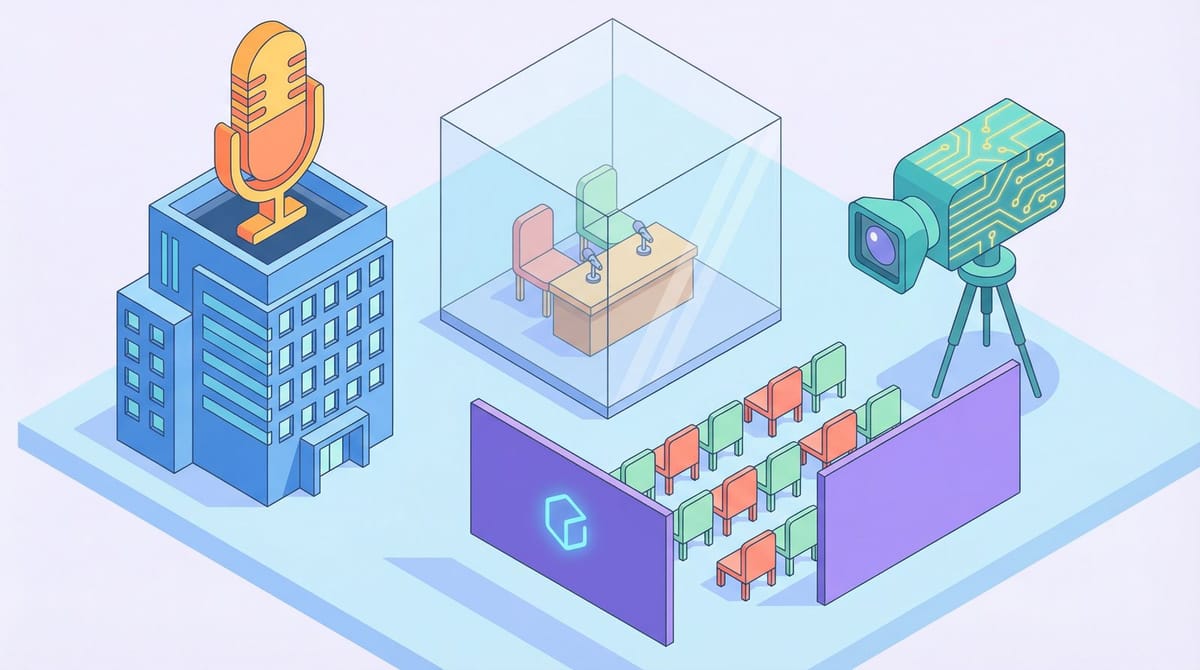
OpenAI acquired TBPN today. The Technology Business Programming Network is a daily three-hour live show hosted by founders John Coogan and Jordi Hays that has become one of the most influential media startups in Silicon Valley. It’s OpenAI’s first media acquisition, and most of the coverage is leading with “editorial independence” and “first-of-its-kind deal.”
I think the more interesting detail is buried lower: TBPN’s advertising business will wind down under OpenAI’s ownership.
That part is doing the real work in this story.
A profitable show that just gave up its revenue model
TBPN generated roughly $5 million in ad revenue in 2025. It was on track for over $30 million in 2026, according to The Wall Street Journal. The show was profitable. It didn’t need a buyer.
Coogan and Hays had built a genuine Silicon Valley talk show airing weekdays 11am to 2pm PT, pulling guests like Mark Zuckerberg, Satya Nadella, and Sam Altman. Think ESPN SportsCenter energy, but for tech and business. It streamed on YouTube, X, and LinkedIn, and it had found a real audience that actually came back daily, not just people who stumbled in from an algorithm recommendation.
And now the advertising stops.
OpenAI’s framing is that this is about creating space for “real, constructive conversation about the changes AI creates.” Fidji Simo, OpenAI’s CEO of applications, said TBPN would maintain editorial independence, choosing their own guests and making their own editorial decisions. The show will report to Chris Lehane, though. OpenAI’s chief global affairs officer. Not an editorial lead. Not a product lead. The person who runs political and communications strategy.
I don’t think this is necessarily sinister. But if you’re a marketer, you should notice the organizational chart, because it tells you what this acquisition is actually for.
This is the HubSpot playbook, scaled to narrative infrastructure
If this feels familiar, it should. HubSpot bought The Hustle for $27 million in 2021. Robinhood acquired MarketSnacks in 2019, scaled it to 36 million subscribers, and eventually spun it out as Sherwood Media. Semrush bought Backlinko. Zapier bought Makerpad. The pattern is well-documented: buy a media property with a loyal audience, preserve the editorial voice, and quietly redirect the attention toward your own product ecosystem.
What makes the TBPN deal different is scope. HubSpot wanted leads. OpenAI seems to want something bigger. The company’s own announcement says “the standard communications playbook just doesn’t apply to us. We’re driving a really big technological shift.” It reads less like a company looking for leads and more like one that plans to own the conversation entirely.
And killing the ad business is what confirms it. When HubSpot bought The Hustle, they kept advertising running. Sponsorships subsidized editorial costs while HubSpot extracted the distribution value. TBPN’s ad wind-down means OpenAI is absorbing the full cost of the media property without any external revenue offset. They’re paying to ensure no competing advertiser gets a slot in front of that audience.
From what I’ve seen with previous tech-media acquisitions, that kind of economics only makes sense when the value you’re extracting isn’t ad revenue. It’s narrative permission.
Why the “editorial independence” claim has a structural problem
I’ll take OpenAI at their word that TBPN’s hosts will pick their own guests and run their own segments. That’s probably true in the literal sense. But editorial independence has a financial dimension, and TBPN just lost theirs.
When a show generates its own ad revenue, it has economic autonomy. It can walk away. It can cover its owner critically because the money doesn’t depend on keeping the parent company happy. When the ad business goes away and one company covers the full cost, that autonomy disappears. Not necessarily on day one. Maybe not even in year one. But the structural incentive shifts, and the hosts know, even if nobody says it out loud, where their budget comes from.
Variety noted that OpenAI framed this as helping drive “constructive conversation” about AI. That phrase is doing a lot of heavy lifting. “Constructive” is the word that quietly does the work of “favorable” without anyone having to say it.
And to be fair, I’m not sure there’s a clean answer to any of this. Media properties need money. Big companies have money. The tension between funding and independence isn’t new, it just gets uncomfortable when the funder is also the biggest story in the room.
The real test comes the first time TBPN has to cover something genuinely damaging to OpenAI. We’ll see.
Your owned media strategy just got a reference price
If you’re in marketing leadership, two signals are worth pulling out of this deal.
First: the price. The Hollywood Reporter reported the acquisition was in the low hundreds of millions. For a show that launched roughly two years ago and was generating $5 million in annual revenue. That valuation tells you what a loyal, high-engagement audience is worth when a company with massive economics decides it needs to own one. If you’re building a media property internally, whether a newsletter, a podcast, or a YouTube channel, this deal is your board-level justification for the investment.
Second: this changes the information environment for anyone marketing AI products. TBPN had significant influence in the Silicon Valley ecosystem. It was where founders, investors, and operators went to hear takes they couldn’t get from press releases. Now that editorial voice sits inside OpenAI’s strategy organization. If you’re marketing a competing AI product, the landscape of where you can get independent coverage just got slightly smaller.
I’d bet at least two more AI companies acquire independent media properties before the end of 2026. The economics are too compelling for a company spending billions on model training to not spend a fraction of that on controlling how people understand what those models do.
We wrote about a related dynamic when ChatGPT started selling ads inside its answers. The pattern is consistent: AI platforms are building closed loops where product distribution, editorial narrative, and advertising all live under the same roof. TBPN is the most visible version of that pattern so far.
The uncomfortable question for every media property
If you run a newsletter, podcast, or any media property that covers tech, today should feel a little different. TBPN built exactly the kind of independent, creator-led media company that the industry has been celebrating for years. Loyal audience, profitable business, editorial credibility, high-profile guests.
And then it sold to the biggest company in its coverage area.
I’m not going to criticize Coogan and Hays for the decision. The deal was reportedly in the low hundreds of millions. You take that call. But it raises a question that every independent media brand should be turning over: if your audience is valuable enough, the companies you cover will eventually want to buy you. And when that happens, the thing that made you valuable, your independence, is the first thing that gets pressure-tested.
For marketers building content strategies, the lesson is probably simpler than it looks. Owned media works. It works well enough that one of the most valuable private companies in the world just paid hundreds of millions for a show that started two years ago. Your newsletter doesn’t need to be TBPN. But if you’re not building an audience you actually own, someone else in your category is, and they’ll set the terms for how that audience hears about your market.
The specific move, if you’ve been sitting on an owned media plan: stop benchmarking against ad ROI. Start benchmarking against the cost of not controlling your own narrative. OpenAI just showed you what that control is worth to them.
By Notice Me Senpai Editorial