ProfitMetrics' 10.8% Black Friday Drop Is a Bad Reason to Cut Cyber Monday
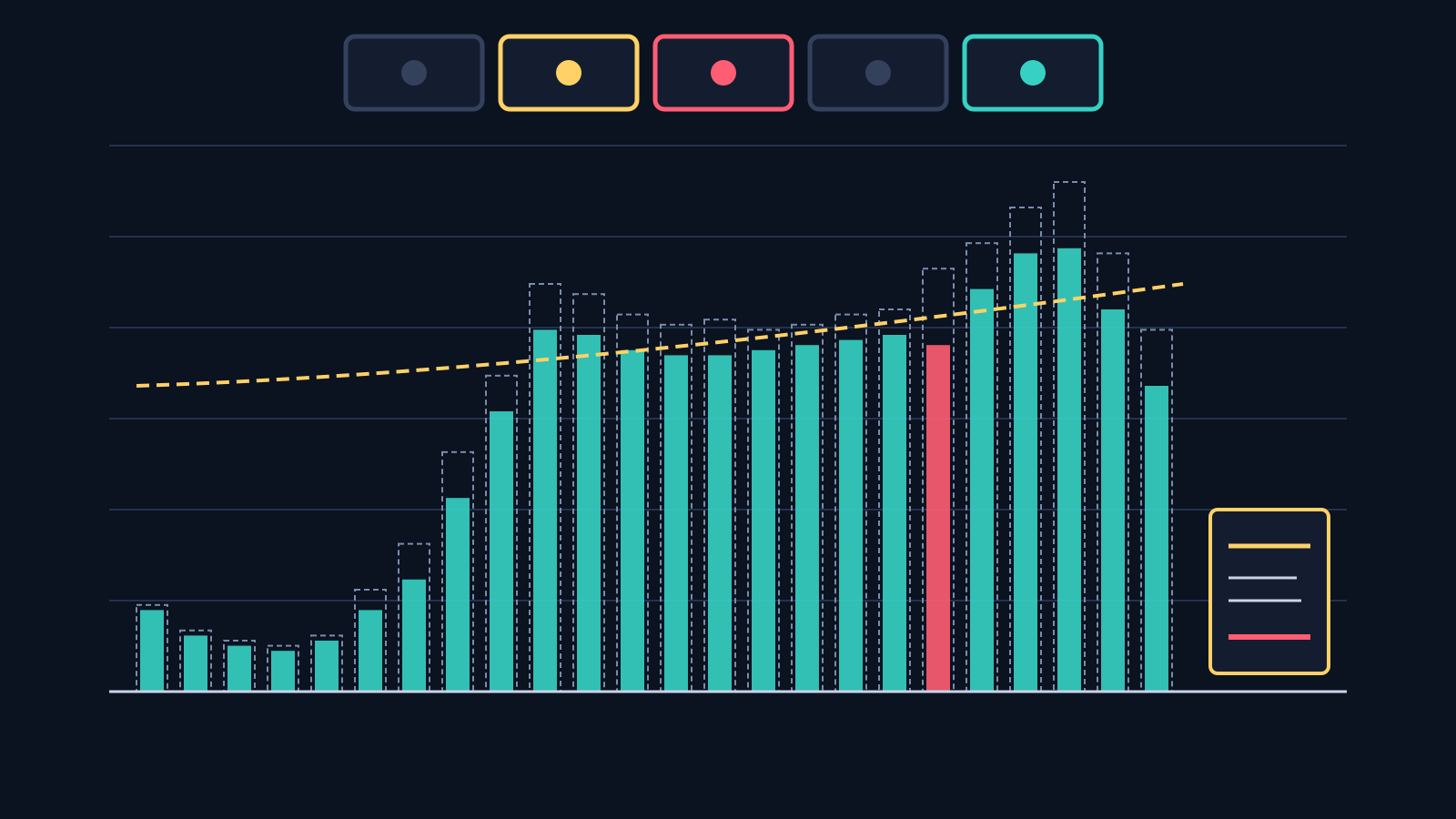
Orders at e-commerce shops tracked by ProfitMetrics fell 10.8% on Black Friday 2026 (Friday, November 27) versus Black Friday 2025, with every one of the 24 hours running below last year's matching hour. Thursday orders were up year over year, which points to demand moving earlier in the week, not vanishing. Judge the Thursday-to-Monday window on profit per order before you touch Cyber Monday budgets.
The number comes from a LinkedIn post by Frederik Boysen, ProfitMetrics' CEO, and PPC Land unpacked the chart the same day. Daily order index: 89.2 in 2026 against 100 in 2025. Busiest hour in both years was 21:00. And it's going to get passed around a lot this weekend, probably in exactly the kind of Slack thread where someone asks whether you should pull spend before Monday.
I'd hold off. Not because the drop is fake, but because of what the post leaves out.
One index, no denominator
ProfitMetrics didn't publish how many shops are in the sample, which countries they sell in, what time zone the hourly chart uses, or whether the same shops were counted both years. It reports orders only. No revenue, no basket size, no gross profit. Two commenters on the post asked for exactly that (a same-store comparison and gross profit), and as PPC Land notes, the post shows neither.
That matters more than it sounds. ProfitMetrics is a Copenhagen company that sells POAS bidding and server-side tracking, so the sample likely leans European and likely leans toward shops sophisticated enough to bid on profit. If its client mix changed between November 2025 and November 2026 (new verticals, a few big accounts churning, a currency shift), a 10.8% gap could be partly a sample artifact. I'm not saying it is. I'm saying nobody outside ProfitMetrics can tell yet.
Compare it with the US picture. Adobe's September forecast called for US online Black Friday spend of $12.9 billion, up 9.2%, after $11.8 billion last year. Adobe measures dollars across US retail, while ProfitMetrics counts orders across its own clients. Both can be true at once. Fewer orders with bigger baskets, or a European slowdown next to a US market that keeps growing, would square them. They measure different things, and for your account the gap between them is kind of the whole story.
Thursday went up, and nobody gave a number
The more useful line in the post is the one with no figure attached: Thursday, November 26 beat Thursday, November 27, 2025. Boysen's read is that demand is "moving away from the Friday itself." A Google client lead commenting personally called it a four-day weekend mindset. Amazon ran a 12-day Black Friday Week from November 19 to 30, so honestly it would be weird if Friday still carried the same share it used to.
There's also a payday wrinkle that UK sellers should take seriously. A UK agency co-founder pointed out in the comments that Black Friday 2025 fell on the last working day of November, which is payday for a lot of UK employees. In 2026, the last working day of November is Monday the 30th. Cyber Monday. Boysen said he expects "a really strong Cyber Monday" partly for that reason.
One caveat (and PPC Land made this point too): if payday timing were the main driver, Thursday should have been weaker, not stronger. So it's probably a mix. Some demand pulled forward, some pushed to Monday, and some may just be gone.
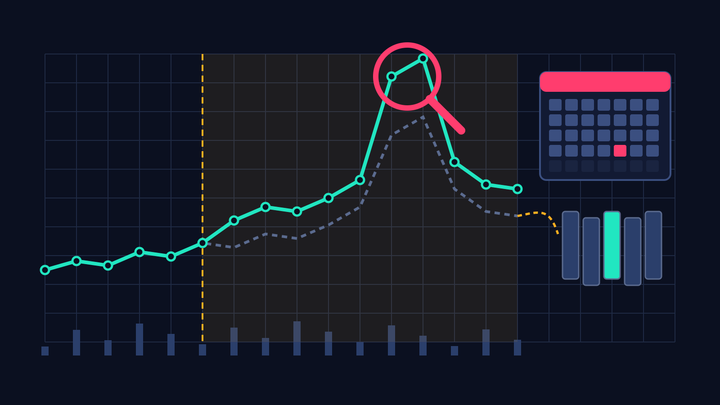
A Black Friday order count is one frame from a five-day film. Cutting Monday's budget because of it is like leaving a match at halftime because the score was close.
The squeeze worth auditing is cost per order
This is where I think the real risk sits. Channable's benchmark across more than 10,000 European Google Ads accounts found the median cost per sale rose 14%, from €14.41 to €16.47, between October 2025 and October 2026, with click prices broadly flat and conversion rates falling in most categories. Its CEO forecast Black Friday cost per sale more than 20% above last year (a forecast, to be fair, not a measurement).
Stack those together. If orders are down roughly 10% on the peak day and each order costs 14% more to acquire, your blended margin can take a hit even when ROAS in the platform looks fine, because discounts run deepest on the same days CPMs spike. Billy Grace's 2025 data showed the flip side: median cost per order fell about 18% in Black Friday week versus the runway weeks, around €27.10 on the day itself against roughly €38 on quieter days. That efficiency window is what most budget plans quietly assume will show up again. If conversion rates are softer this year, it might not, or at least not at the same size.
And to be fair, this isn't entirely new. Peak-week efficiency has been getting thinner for a few years as deals stretch across all of November. It just feels a lot less forgiving when the order count drops at the same time.
A Saturday audit before Monday's bids go live
This takes maybe 30 minutes if your data is clean, and it's what I'd do instead of reacting to someone else's chart:
- Align weekdays, not dates. Compare Thursday the 26th to Thursday the 27th of 2025, Friday to Friday, and so on. Date-on-date comparisons put this year's Black Friday against last year's Saturday, and you'll see a collapse that isn't there.
- Sum Thursday through Sunday as one block. If combined orders are within about 5% of last year, Friday's drop is mostly a timing shift and your Monday plan stands.
- Calculate profit per order, not ROAS. Revenue minus COGS minus discount minus ad cost, per order, for the same four days both years. If cost per order is up more than about 14% (the Channable median) and margin per order is down, that's your actual problem.
- Cap Monday increases instead of cutting them. If the block is flat but profit per order is down, keep Monday budgets where you planned and hold your target ROAS steady rather than loosening it for volume. If you use a seasonality adjustment, scope it to Monday only, with a short window.
- Annotate the payday. UK accounts especially: mark November 30 as payday in your reporting so December's year-over-year view doesn't get blamed on the wrong thing.
If you're also seeing odd session spikes this week, check whether agent traffic is inflating your denominators. We covered how Meta's Muse could swell Cyber Week sessions without showing up in orders, which is one more way conversion rate can look worse than demand actually is.
What December 1 will probably show
ProfitMetrics says a day-by-day November report, including Black Week and Cyber Monday, is coming Tuesday, December 1. My guess, for what it's worth: the Thursday-to-Monday total lands within 5% of 2025, Friday's share of the week drops below last year's, and Monday comes in up year over year for UK-heavy shops. If the block total is down double digits too, then the 10.8% was a real demand signal and I'll happily say I read it wrong.
Until then, a single-day index from an undisclosed sample feels like a thin basis for moving money. The shops that come out of this week okay probably won't be the ones that reacted fastest to Friday. More likely they're the ones who stopped to check what each order actually earned them.