
Amazon Attribution Rewrites 28 Days of Data Every Time You Add an ASIN
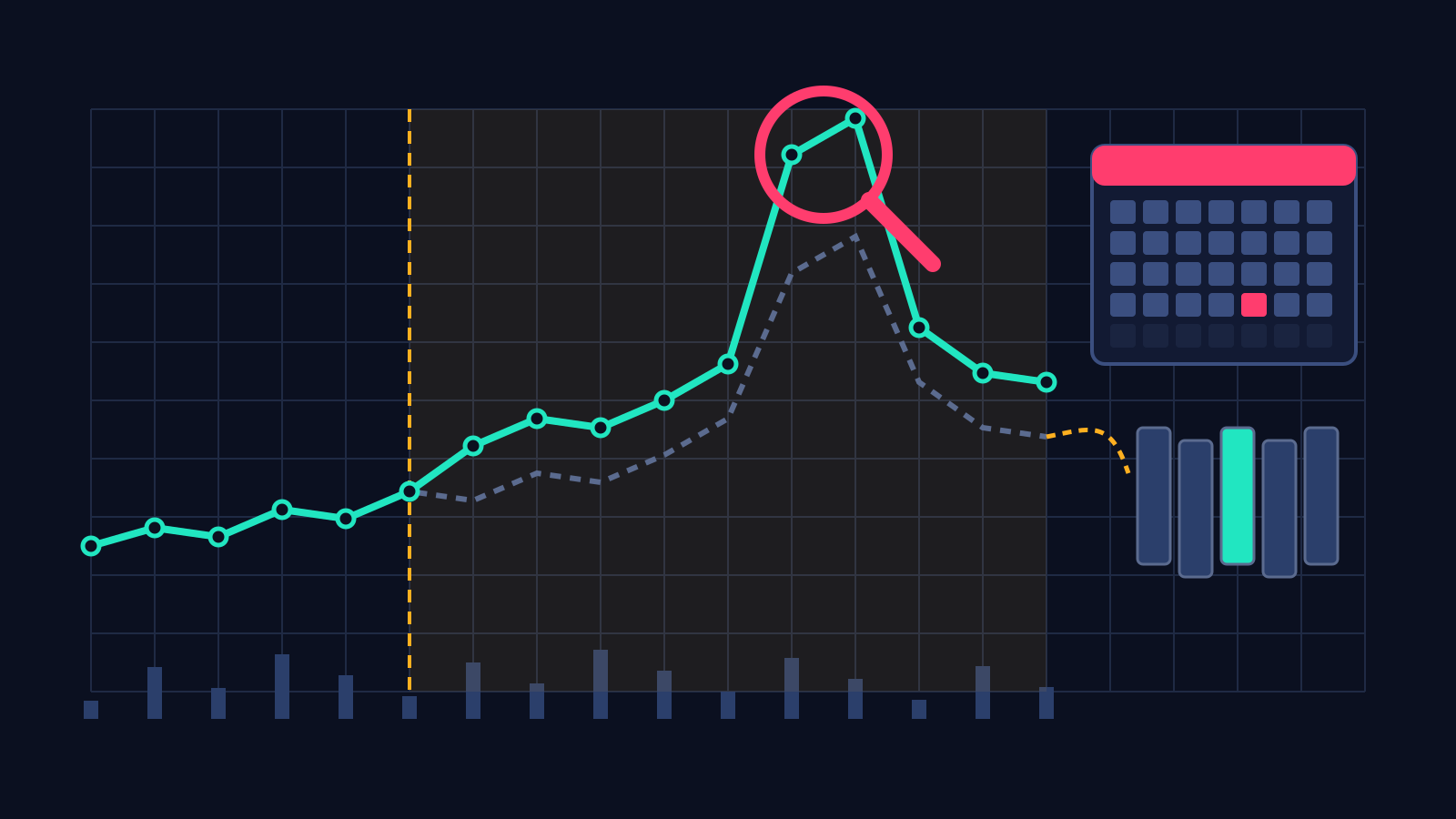
Amazon's Attribution help pages now say that when you add ASINs to your brand mapping, approval takes 4 to 7 business days and "historical data is automatically restated for the previous 28 days," with corrections processed over three weeks. Add a product this week and your Black Friday off-Amazon numbers probably won't settle until around December 23.
That detail surfaced in PPC Land's write-up on November 22, which walked through two Amazon Ads Support Center pages that had quietly picked up new "updated on" stamps. One covers bulk campaign creation for Google and Meta. The other, the brand and products management page, is where the restatement rule lives. No launch post, no changelog. Just a sentence sitting in a help doc, five days before the biggest reporting week of the year.
I don't think the restatement itself is a bad design. If an ASIN wasn't mapped and you were driving traffic to it, backfilling 28 days is arguably the honest thing to do. The problem is timing, and the fact that nothing in the console seems to tell you a period has been rewritten.
Who this actually touches
Amazon Attribution is the free tool brands use to measure what their Google, Meta, TikTok, email and influencer traffic does once it lands on an Amazon listing. Amazon describes it as a 14-day, last-touch model that reports detail page views, add-to-carts, sales and new-to-brand metrics. It's available to Brand Registry sellers, vendors and agencies in the US, Canada, the UK, Germany, France, Italy and Spain.
The people this hits hardest are the ones running off-Amazon spend and trying to prove it worked: the paid social manager pushing Meta traffic to an Amazon listing, the agency reporting Google search ROAS for a brand that sells mostly on Amazon, the creator team using tagged links. If that's you, the numbers you screenshot for the client on December 1 may not match the numbers in the console on December 20.
And there's money tied to these numbers, not just dashboards. Amazon's Brand Referral Bonus pays US Brand Registry sellers a credit averaging 10% of qualifying sales driven by non-Amazon marketing, and you need Attribution tags to qualify. Amazon's own example has a July sale showing up as a credit against September referral fees, so Black Friday bonuses won't land until late January.
The calendar math nobody planned for
Roughly, here's how it plays out if a brand adds a new holiday SKU to its Attribution mapping on Monday, November 23:
- Approval: 4 to 7 business days. With Thanksgiving in the middle, that's somewhere between November 30 and December 2.
- Restatement: the previous 28 days get rewritten, which reaches back to early November and swallows all of Black Friday through Cyber Monday.
- Corrections: processed over three weeks, so figures likely keep shifting until about December 23.
PPC Land did similar arithmetic and landed on about a month before the figures settle. That's a long time for a BFCM recap deck to be sitting in someone's inbox with numbers that no longer match the source.
What Amazon doesn't say is almost more annoying than what it does. According to PPC Land, the page doesn't specify which metrics are restated (sales, attributed conversions, everything?), whether restated periods get flagged in reports, or whether you can build a campaign for a product while its mapping request is still pending. Removals, by the way, are approved "within 2 to 5 days," and it isn't clear whether those are business days either.
Think of it like a bank statement that gets reissued for the last four weeks every time you open a new sub-account. The transactions are identical, and you still end up with a different statement.
Snapshot first, then touch the brand mapping
The fix is boring and takes maybe ten minutes, which is sort of the point.
1. Export before you add anything. Pull your Attribution campaign reports at the publisher and campaign level for at least the last 35 days (the 28-day window plus a week of buffer), and save them as dated CSVs. If your team uses unified reporting, export there too. This is also a decent moment to clean up old saved reports anyway, since PPC Land reported on November 12 that unmigrated reports disappear on January 31, 2027.
2. Decide per ASIN, not per brand. If a hero BFCM product isn't mapped and you're sending paid traffic to it, I'd probably add it now and accept the restatement. Unmeasured spend on your best product is worse than a recap that moves. For long-tail SKUs that won't get meaningful off-Amazon traffic this week, wait.
3. If you can wait, really wait. To keep a Black Friday through Cyber Monday window completely untouched, the approval has to land after December 28. Working backward with Christmas in the way, that means submitting around December 23 at the earliest. Most teams aren't touching account settings that week anyway, so it might just work out.
4. Annotate the change date. Wherever your reporting lives (Looker Studio, a client sheet, a Slack channel nobody reads), write down the date you submitted and the date Amazon approved. Future you, trying to explain why December's numbers look odd in a March QBR, will be grateful.
A 5% line for when to tell the client
Once corrections finish, compare the restated BFCM window against your snapshot. My rough rule: if attributed sales for that window moved more than 5% in either direction, flag it in writing to whoever saw the original numbers. Under 5%, a footnote is probably fine. This threshold is my judgment call, not anything Amazon publishes, so adjust it if your clients are more or less sensitive to restated figures.
Worth saying out loud: restatements can go up. If you added an ASIN that was quietly getting traffic from a Meta campaign, the restated number might make your off-Amazon spend look better than the first report did. That's a nice email to send, but it's still one you should send before someone else notices the change.
Then, in late January, check your Brand Referral Bonus credits against the restated attributed sales. They're two different systems and I wouldn't expect them to match to the dollar, but a big gap is worth a support ticket while the data is still fresh.
Amazon's measurement rules keep moving in the fine print
And to be fair, this isn't really new behavior. Amazon has spent the year moving reporting around: PPC Land covered how it tightened view attribution earlier this year, and the platform has been reshaping how ads cost and count around peak season, from the Black Friday ad surcharge the FTC described to the question of whether its Black Friday deals saved shoppers anything. The rules seem fine on paper. They're just documented in places most advertisers only open when something already broke.
If you're sending social traffic to Amazon through creators, this stacks with the changes to how Instagram handles Amazon links, which already muddy which channel gets credit.
My prediction: by the end of Q1 2027, at least one big Amazon agency will publish a postmortem about a BFCM report that moved after it was sent, and the root cause will be a brand mapping change someone made in Thanksgiving week. I'd put decent odds on it, maybe 60%.
Not because anyone did anything wrong. Someone just added a product during the one week of the year when nobody reads help pages, and a 28-day rule did exactly what it says it does.
By Notice Me Senpai Editorial