ChatGPT Is Building Its Own Search Console, and It Won't Show Prompts
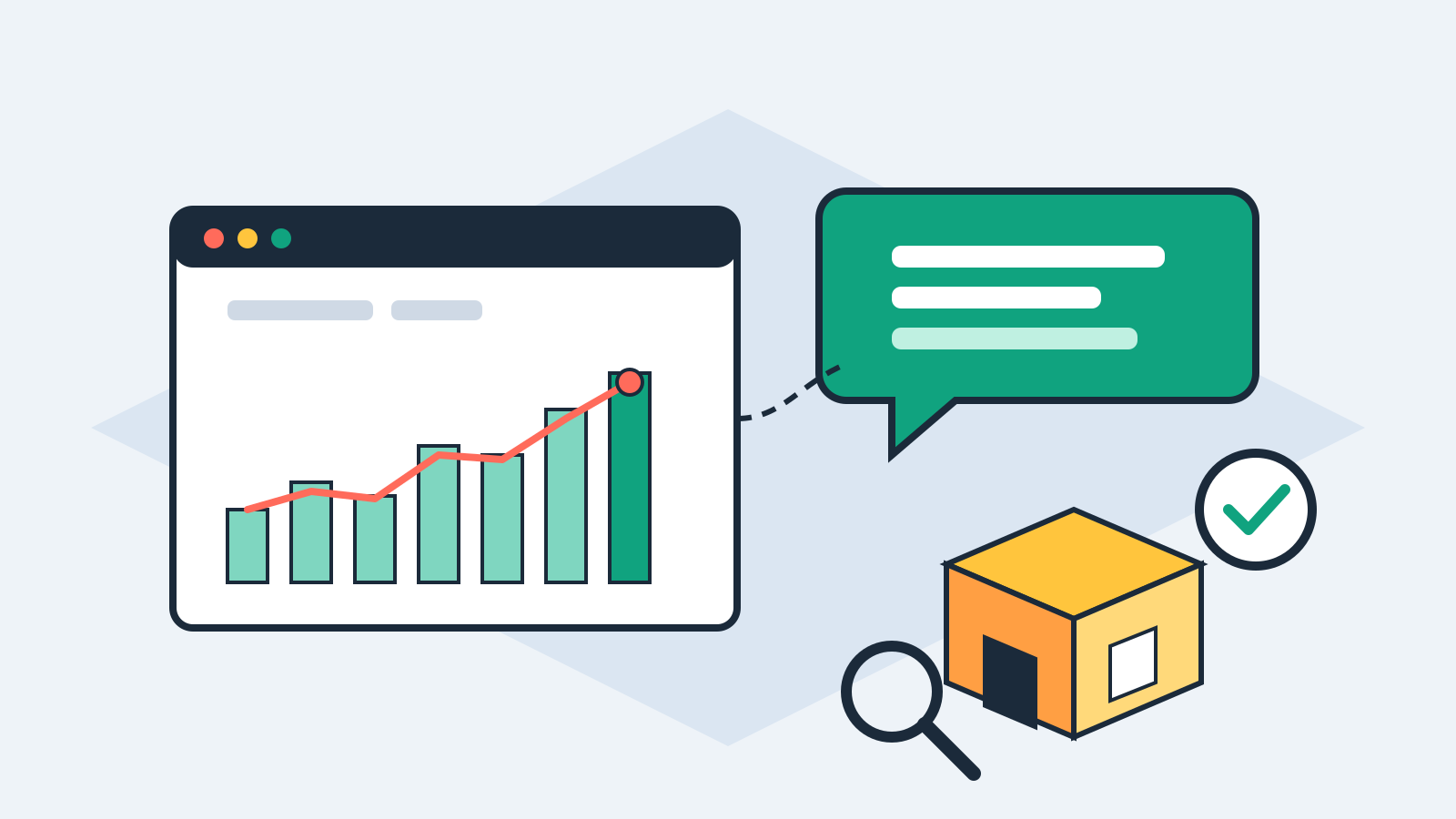
OpenAI appears to be building a "Claim your business in ChatGPT" tool that reports how often a business shows up in ChatGPT answers and how many clicks follow. Per the analyst who spotted it, the daily dashboard shows two metrics, impressions and clicks, and no prompt data or competitor rankings. That makes it a free first-party check on the GEO trackers marketers pay for, though it can't replace them.
The news comes from Barry Schwartz at Search Engine Roundtable, who wrote it up on November 6 based on a LinkedIn post and screenshot from ecommerce analyst Juozas Kaziukėnas. OpenAI hasn't announced anything. Everything below traces back to one person's screenshot of an unreleased banner, so treat the details as provisional. I still think it's worth acting on, mostly because the action costs you almost nothing.
What the banner actually promises
The screenshot shows three cards. One tracks how often your business is mentioned in ChatGPT conversations. Another lets you add products and keep business info current. The third is a "business agent" that answers customer questions using context you control. Kaziukėnas says it sits inside a larger Business Hub feature, that he first saw early pieces of it in August, and that a banner suggests it is "getting close to launch."
Access reportedly requires verifying that you own the business, for example by connecting a Shopify store. Technori picked up a detail I'd missed on first read: the banner's fine print asks you to verify you're "authorized to represent" the business, which is a different test from proving ownership. If you're an agency planning to claim profiles on behalf of clients, that distinction is going to matter, and right now nobody outside OpenAI knows which one wins.
Technori also checked OpenAI's July small business announcement and found no mention of analytics, claiming, or mention tracking. So this is new, and it is apparently separate from ChatGPT ads. It's about organic answers.
Two numbers, and a lot of empty space
What the dashboard reportedly does not show: prompts, user data, competitor benchmarks, or rankings. Kaziukėnas put it bluntly. It "won't help understanding why mentions/clicks are increasing or decreasing."
On paper, that sounds disappointing. And partly it is. But think about what Google Search Console looked like to people who'd only ever had rank trackers. Rank trackers told you a tidy story about 50 keywords. Search Console told you the messier truth about traffic, with gaps everywhere. Most SEO teams ended up running both, and they argued about the gaps for a decade.
That's roughly where I expect GEO measurement to land.
The AI visibility tool market is priced like a category with no ground truth to be checked against. A Rankability pricing record from October logged 21 tools with a median entry price of $99 a month, ranging from $20 to $3,000 a month. Most of them work by running a fixed list of prompts and counting how often you appear. We've written before about why that's shaky: ChatGPT's API misses most of the pages the consumer app cites, and Ahrefs found daily citation snapshots mostly useless because answers churn so much.
A first-party impression count from OpenAI won't explain anything. It will, however, tell you whether the trend line your $99 (or $3,000) tool draws is real. For anyone defending a GEO budget in a Q1 planning meeting, that alone is a pretty big deal.
Why your GA4 number isn't good enough on its own
You might reasonably say: I already see ChatGPT clicks in analytics. Sort of. ChatGPT is a small and twitchy channel. SE Ranking's study of 101,574 websites found ChatGPT's share of referral traffic was 0.32% in May 2026, up from 0.23% in April, after barely moving from January through April. The same study found 60% of AI-referred visits land on homepages, versus 17% from organic search.
That homepage skew is part of the measurement mess. A visit that lands on your homepage with a stripped referrer looks like direct traffic, and we've already watched that happen this year when GPT-6 dropped ChatGPT's UTM tags and Gemini did something similar weeks later. Honestly, I'm not sure anyone's GA4 ChatGPT number from the last six months is clean.
OpenAI counting its own outbound clicks sidesteps all of that. Clicks counted at the source don't care about your UTM hygiene.
The Shopify angle most people will skip
The verification example Kaziukėnas gave was connecting a Shopify store, which fits what OpenAI already says on its merchant page: if you sell on Shopify or Etsy, your catalog is already integrated with ChatGPT shopping, no application needed. Everyone else applies and waits on a list. The same page says a self-serve merchant platform for data integration is coming "later this year," with no date.
My read, and it's a guess, is that Business Hub is that self-serve platform, or at least part of it. If so, ecommerce brands on Shopify will probably get analytics first, and B2B companies and local services will get them last or in some weaker form. Which is a little ironic, since B2B marketers seem to be the ones paying for prompt trackers right now.
Anyway, the product card matters more than it looks. "Keep business information current" suggests ChatGPT will start preferring data you hand it over data it scraped. That's Google Business Profile logic. Brands that ignored GBP for years and then spent a quarter cleaning up wrong hours and dead phone numbers know how that story goes.
Build the baseline before the dashboard exists
None of this needs you to wait for OpenAI. Here's the 20-minute version I'd do this week:
- Pull 90 days of ChatGPT referral sessions from GA4. Filter session source for chatgpt.com and openai, export weekly totals, and note the landing page split. If around 60% of your sessions land on the homepage, you're near the SE Ranking average, so don't panic.
- Write down what your AI visibility tool says for the same 90 days. Mention rate, share of voice, whatever it reports. Screenshot it with dates. When OpenAI's impression data shows up, this is the comparison you'll want.
- Check your renewal dates. If a GEO or AI visibility contract renews on an annual term in the next 60 days, ask for monthly or a 90-day out. I wouldn't sign a 12-month deal for a measurement category that might get a free first-party benchmark next quarter.
- Decide who verifies. Agencies: confirm with each client now whether they or you would claim the profile. Muddled ownership on Google Business Profile has locked plenty of businesses out of their own listings.
- Clean the product and business data ChatGPT can already crawl. Prices, availability, return policy, hours. On Shopify, check your catalog sync too.
The benchmark worth tracking: if, after a month of side-by-side data, your paid tool's mention trend and OpenAI's impression trend move in opposite directions in more than half the weeks, the paid tool is mostly telling you about its own prompt list.
Where I could be wrong
This is a screenshot, and OpenAI has tested plenty of features that took a long time to reach most users. It could launch with Shopify merchants only and stay that way for a year. The impression definition might be loose, counting any mention anywhere in a long answer, which would make the number big and not very useful. And it's possible OpenAI eventually adds prompt data, which would put a lot of tracker startups in an awkward spot faster than I'm suggesting.
My prediction: if it ships before the end of Q1 2027, at least 2 of the larger AI visibility vendors will announce a ChatGPT Business Hub integration within 60 days, because the alternative is customers asking why their numbers disagree with OpenAI's.
I don't think the tracker companies disappear. Search Console didn't kill rank trackers either. They just had to get a lot more honest about what they were estimating, and I suspect the same thing is about to happen here, probably a bit faster.