Instagram's 10-in-30 Aggregator Rule Just Killed the Meme-Page Buy
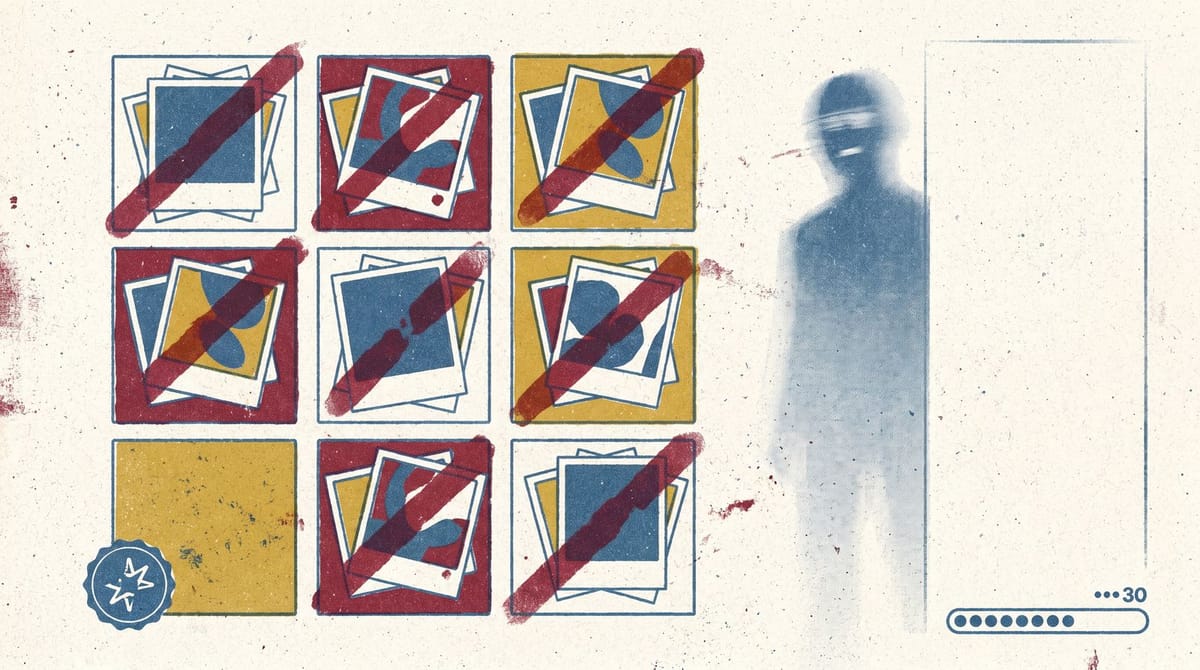
Instagram is now restricting recommendation reach for photo and carousel accounts that repost unoriginal content 10 or more times in any rolling 30-day window, extending a rule that previously only applied to Reels. Affected accounts disappear from Discover and feed recommendations until they spend 30 days back under the threshold; only existing followers still see their posts. Brand seeding playbooks built on meme-page buys, fan accounts, and screenshot recycling now have a hard 9-post ceiling per month before reach collapses across the entire page.
I think most agencies are going to learn this the expensive way, because the 60-80% reach drops already documented for Reels aggregators are the precedent for what happens to the carousel pages they have on retainer. The bigger problem isn't the rule. It's that the penalty applies to every post on the page, not just the unoriginal ones.
The 10-in-30 number is the only one that matters
Per Instagram's own creator blog, an account that posts "10 or more times in the last 30 days" of unoriginal content stops being eligible for recommendations across the app. The window is rolling, not calendar-based, so a page that was clean in March can lose Discover reach in mid-April just by accumulating reposts at a normal cadence. To recover, the account has to drop below the threshold and stay below it for the full 30-day window.
The followers part is the only thing keeping aggregator pages technically alive. People who already follow the page still see its posts in their home feed. Everyone else, including the algorithmic surfaces that built the audience in the first place, stops seeing it. For pages whose growth model is "get reposted into Explore, convert to followers, repeat," the loop just got severed at the first step.
One detail worth flagging: this is a recommendation penalty, not a content removal. The posts stay up. Engagement metrics will look mostly normal to the page admin because followers keep engaging. The drop shows up in non-follower reach, which is exactly the thing that's hardest to notice in a routine weekly report. Account status checks via the Professional Dashboard's recommendation eligibility view are how you actually catch it, and most agencies don't have that on a recurring audit list.
Why the carousel extension is the bigger story
According to TechCrunch's reporting, Reels aggregators have been suppressed since 2024. What's new this week is that photos and carousels, which is what almost every meme page and curation account actually traffics in, now sit under the same rule. That's a much bigger blast radius than it sounds.
Meta itself has said that original Reels viewership "approximately doubled" in the second half of 2025 versus the same period a year earlier. That's the carrot side of the same policy. The stick side is the reach drop, which on Reels aggregators averaged 60-80% per ALM Corp's compilation of the enforcement data. There's no reason to assume photo and carousel pages will get a softer enforcement curve, especially since Meta has been telegraphing this expansion for months.
The exemption almost nobody is going to qualify for
The policy explicitly carves out "publishers we've identified who have licensing agreements and/or explicit permissions from content creators." That's the moat for credible news outlets and a handful of official content partners, not for brands and not for the meme accounts brands tend to buy from. Two implications worth sitting with.
First, this exemption is not something you opt into. Instagram identifies the publishers; you can't apply your way in. So the realistic version for everyone else is to make the underlying content original by the platform's definition, not to try to license your way past the rule.
Second, "explicit permission from the creator" still requires that the creator made the content originally. A brand getting permission from an aggregator to repost an aggregated post does nothing. The chain of permission has to terminate at the actual creator.
What still counts as original (and what definitely doesn't)
Instagram has been pretty specific about which transformations cross the line into original and which don't. Material edits that count include: edits that become memes in their own right, parody compilations, new voiceovers added by the poster, and remixes that express the poster's reactions or analysis. The on-screen presence of the new creator, plus genuinely added information, is what carries the weight.
What doesn't count: borders, resizing, caption overlays on someone else's video, speed changes, watermarks added on top of others' content, stitched clips with no commentary, and reaction videos that are just facial expressions with no actual analysis. If the only edit is "we cropped it and added our logo," it's not original. From what I've seen in the Reels enforcement data, that's been a fairly bright line so far.
The honest read is that this rule isn't designed to be gameable. The threshold isn't "did you make a transformation," it's "is your transformation substantive enough that a human reviewer would call it original work." That's a much harder bar to hit at scale through automation.
What this kills, specifically, for brand marketing
The meme-page buy is the most obvious casualty. The standard playbook (find a 500K-follower meme page in your vertical, pay for a feature, get distribution into Discover) assumed that the page itself had reach. If the page is over the 10-in-30 threshold (and most popular meme pages absolutely are), the feature now reaches the page's existing followers and stops there. You're paying Discover prices for follower-only reach.
UGC seeding is the second one. Brands that have been running "we'll regram our customers' posts" cycles need to either get explicit written permission documented per post, or accept that the brand page itself starts accumulating unoriginal content credits toward its own 10-in-30 threshold. A brand page that hits the cap loses its own algorithmic reach, which is a much more expensive outcome than a meme-page partner losing theirs.
The TikTok cross-post problem is the third. A lot of brand teams have been auto-syndicating TikTok-first content to Instagram with the watermark intact. That's flagged as unoriginal under the new framing, and the page-wide reach penalty applies to the rest of the page's content too. Honestly, this is the easiest one to fix. Just pull the master file from your editing tool and re-export without the watermark.
The seeding workflow I'd actually run this week
If I were running paid social for a brand right now, here's where I'd start. None of this is theoretical, all of it can happen before next Monday.
Pull every Instagram partner the brand has paid in the last 90 days and check their account status via the Professional Dashboard. Anyone flagged as ineligible for recommendations gets paused on the next campaign cycle, no exceptions. Anyone close to the threshold gets a conversation about their content mix.
For UGC, build a simple permission template that a creator signs before any repost, and record it. The form needs to make clear they made the content themselves and are giving you usage rights with attribution. This isn't legal-compliance theater, it's the only way to make the eventual licensing-or-original argument hold.
For TikTok cross-posts, change the export pipeline so the master file goes to Instagram before the TikTok watermark is applied. Use Instagram's native edit tools or a clean re-export. If the TikTok already has the watermark, redo it from source.
For brand-owned aggregator-style content (industry round-ups, curated tip carousels, screenshot threads), cap it at no more than 9 of 30 across any rolling window. Run a simple weekly count, because the algorithm definitely is. The new platform-native distribution moves from competitors only matter if your Instagram account is still allowed in the recommendation surfaces in the first place.
The number to watch through Q3
My prediction: by the end of Q3 2026, at least 25% of meme-marketing budgets that ran in 2025 will have rotated to either creator partnerships with formal licensing or to platforms that haven't built equivalent enforcement yet. Threads is the obvious candidate for the rotation; peer sharing on social is already pulling more traffic than search at hundreds of publishers, which makes the Threads bet less speculative than it would have been a year ago.
What I'm less sure about is how aggressive the false-positive rate will be on legitimate UGC reposts. Meta's enforcement data shows broad strokes. The painful question for individual brands is whether their carefully-permissioned UGC carousel ends up flagged anyway because the underlying detection is image-similarity-based and doesn't see the paperwork. Worth running a small test campaign before scaling spend into permission-based reposting.
The whole thing is a reminder that organic reach on Instagram has always been a regulated commodity. Meta decides what counts as the asset. They just rewrote the definition again, and this time the change actually has teeth on the formats most brands were leaning on.
Notice Me Senpai Editorial