KitKat's Stolen Chocolate Turned Into a Masterclass in Earned Media Arbitrage
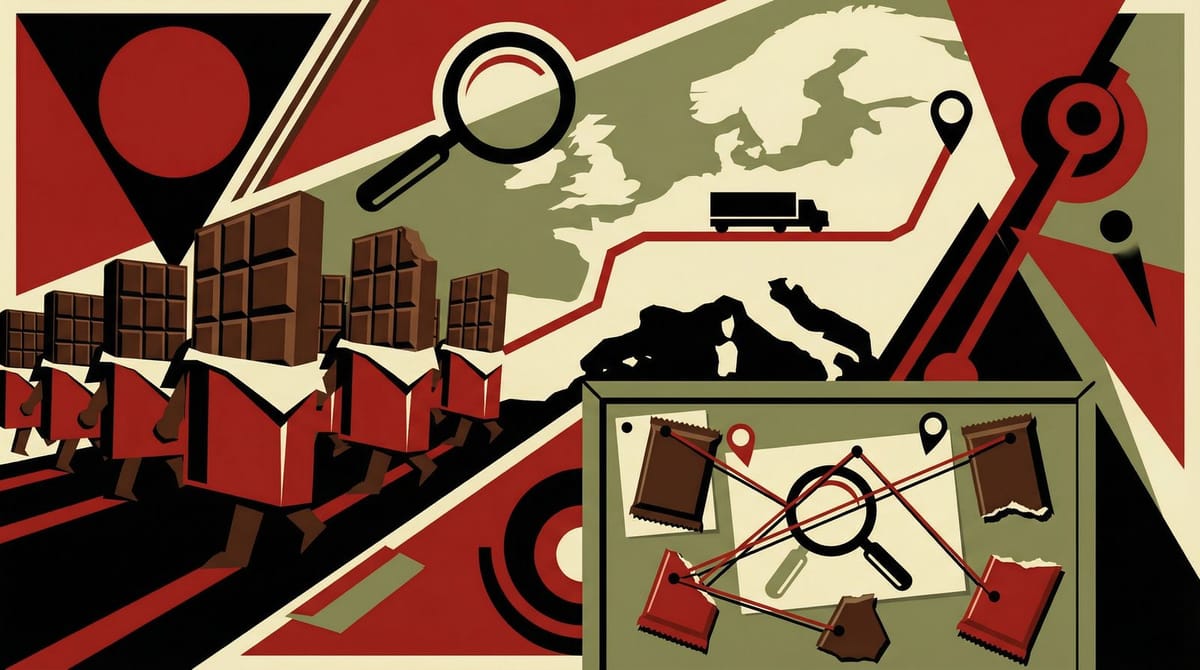
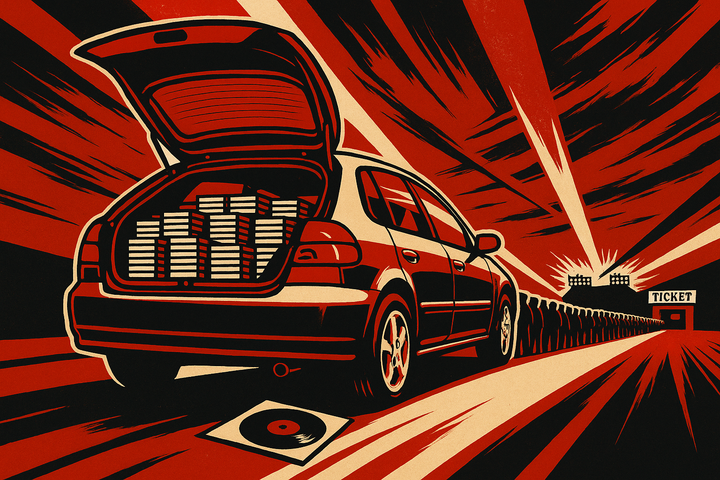
Somewhere between an Italian factory and a Polish distribution center, a full truck carrying 413,793 KitKat bars disappeared. Twelve metric tonnes of chocolate, gone. And the most interesting part of this story is not the theft. It is that KitKat may have gotten a better return from losing the chocolate than selling it.
Famous Campaigns estimated the earned media generated "tens of millions of free publicity" and a potential 100x return on KitKat's F1 licensing investment. That number sounds inflated until you look at how the whole thing was structured. Because it was not luck. It was, from what I can tell, one of the most efficient media arbitrage plays a brand has pulled off in years.
The F1 angle nobody is talking about enough
The stolen bars were not regular KitKats. They were F1 race car-shaped bars from KitKat's new multi-year F1 partnership. That detail matters more than it seems.
Every news article about the heist included photos of the F1-branded packaging. CNN ran it. Time ran it. Fast Company ran it. Each one was basically a pack shot for KitKat's F1 licensing deal, distributed for free by journalists who were covering a crime story. The F1 branding rode along with every single mention, completely unbilled.
Think about what that means from a media buying perspective. KitKat paid for F1 licensing rights. A theft happened (genuinely, not staged). And the earned media coverage of that theft effectively subsidized the entire licensing cost, potentially many times over. My read is that this is probably the most efficient brand awareness per dollar spent on a licensing deal since, I do not know, the Barbie movie turned every brand on earth pink without paying them a dime. (Different mechanism, similar result.)
The lesson here is not "get your product stolen." It is that your response to unexpected events can generate more value than planned campaigns if you move fast and your creative team has the latitude to be genuinely funny. KitKat's team clearly had both.
The tracker is a sharing engine wearing a utility costume
KitKat launched a "Stolen KitKat Tracker" website where you enter your batch code to check if your bar was from the stolen shipment. VML UK built it in approximately six days, which is genuinely impressive for a concept-to-live turnaround.
Here is what makes it clever, and I think most of the coverage has missed this: the tracker is not really a tracker. It is a social amplification engine.
99.99% of users who enter a batch code get "NOT STOLEN." That is the designed outcome. The negative result is the product. You check your bar, you find out it is clean, and then you are prompted to share that result. The psychology is almost embarrassingly simple. People love confirming they are in the clear, and they love telling other people about it. Every share drives another person to the site, who also gets "NOT STOLEN," who also shares. It is a loop that feeds itself.
There is a small, slightly uncomfortable irony worth sitting with here. KitKat launched the tracker on April 1st and had to publicly clarify "this is not a stunt, or an April Fool's joke." The truck is still missing. The theft was real. But the response to the theft was so polished and so on-brand that people genuinely could not tell the difference. I am not sure whether that is a compliment to their marketing team or a commentary on how we process brand communication now. Probably both.
The 48-hour trendjacking window is real, and it is shrinking
This is the part that is actually useful if you run social for a brand.
Dominos UK posted a KitKat pizza response on Day 1 and got 224,000+ likes. KitKat ANZ posted a "Chief Chocolate Protection Officer" job listing that pulled 40,857 likes. Durex Singapore, Pizza Hut South Africa, McAfee, Rode, Barilla, KFC, Ryanair, Microsoft, Amazon, DoorDash. The pile-on was enormous.
But by Day 3, brands were posting meta-ironic "statements about statements." The self-awareness had become the joke, which is usually the signal that the engagement window has closed. Allen Adamson, a brand strategist quoted in UVA Darden's analysis, put it bluntly: "If you are the fifth or sixth to jump on the bandwagon, you are toast."
From what I have seen across trendjacking moments over the past two years or so, the decay curve looks roughly like this:
Hour 0 to 24: Genuine engagement. First movers get massive organic reach. The audience is delighted someone with a verified brand account is being funny. This is where Dominos lived.
Hour 24 to 48: Diminishing returns. Late movers still get decent engagement, but the replies start shifting from "this is great" to "okay, we get it." You can still post here, but the risk-to-reward ratio is changing.
After 48 hours: Cringe territory. Any brand posting now looks like they had to get three rounds of legal approval before their social manager could tweet. The audience has moved on. You are shouting into a room that is already emptying.
If your brand does not have a process that lets your social team post a reactive piece within 12 hours of a trending moment, you functionally do not have a trendjacking capability. And honestly, that is fine. Not every brand needs one. But if you think you have one and it takes 72 hours to get approval, you are worse off than the brands that just do not try. At least they are not embarrassing themselves on Day 4.
What is actually replicable here (and what is not)
I want to be careful about the "just do what KitKat did" takeaway because most of this is not replicable. You cannot plan a theft. You cannot manufacture a news cycle. And the F1 licensing arbitrage was pure luck layered on top of an existing investment.
But three things are replicable, and they are worth building into your playbook:
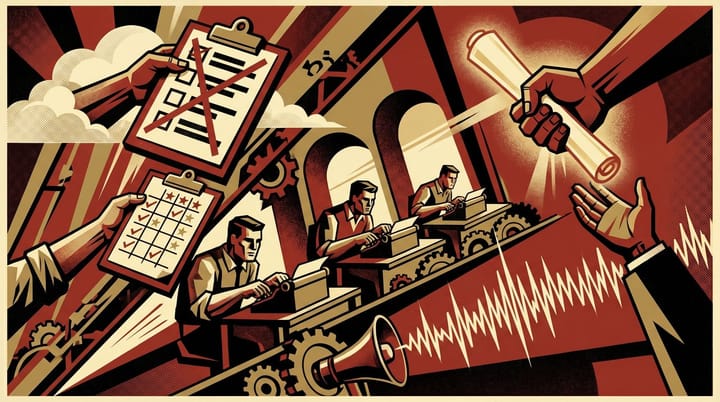
First, pre-authorize reactive creative. KitKat's team clearly had the ability to greenlight funny, on-brand responses without a multi-day approval chain. If you run brand social, sit down with your legal and leadership team this week and pre-negotiate what kinds of reactive posts can go out with one approval instead of five. Define the guardrails in advance so your social manager is not drafting memos while the moment passes.
Second, design for the negative result. The tracker worked because the boring outcome (your bar is not stolen) was the shareable outcome. Most brands design interactive experiences around the exciting result. Flip it. If you are building a quiz, a calculator, a checker, or any tool, ask yourself: what happens when someone gets the mundane answer? If the answer is "nothing," you have left the biggest sharing opportunity on the table. The people who get the boring result outnumber the interesting-result people by orders of magnitude.
Third, know your trendjacking ceiling. Unless your brand is in the same category as the trending topic (food brands responding to a food brand moment, for example), or you have a genuinely clever angle, the Day 1 window is your only realistic shot. Build a simple internal rule. If you cannot post within 24 hours, do not post at all. This saves your team time and saves your brand the slow embarrassment of a Day 4 hot take.
The cargo theft problem nobody in marketing wants to discuss
There is a version of this story where everyone celebrates the marketing win and nobody mentions that cargo theft in Europe surged 438% over three years, according to TAPA EMEA. In the US, cargo theft hit $725 million in 2025, a 60% increase from the prior year. This is a real operational crisis for consumer goods brands, and the fact that KitKat turned one incident into a PR win does not change the underlying trend.
I think it is worth sitting with this for a second (and this is my off-script thought, so bear with me): there is something slightly weird about an industry celebrating a crime as a marketing case study. KitKat handled it brilliantly, no question. But the next brand that gets 12 tonnes of product stolen probably will not get a viral moment out of it. They will just get a supply chain problem and an insurance claim. The playbook works once. Maybe twice. The third time it happens to someone, nobody covers it.
That is actually the deeper insight here. Earned media from crisis response has a novelty premium. The first brand to do it well gets tens of millions in coverage. The second gets a case study mention. The third gets nothing. If you are sitting in a brand strategy meeting right now saying "we need a KitKat moment," you have already missed the point. You do not plan these. You prepare for them, and then you move fast when they happen.
The part that actually changes how you budget
If I were running brand marketing or earned media strategy, the one thing I would take from this and actually apply is the licensing arbitrage angle. KitKat's F1 deal generated more brand impressions through an unplanned incident than it probably would have through a full season of planned activations. That suggests most brands are undervaluing licensing deals as earned media catalysts. The licensing fee buys you the branding. But the branding travels with every story about your brand, planned or not. Liquid Death figured this out with their cross-vertical partnerships, and KitKat just demonstrated it from a completely different angle.
Pull your last three earned media moments. Check whether any of them carried partnership or licensing branding. If they did, that is incremental value your licensing ROI model is not capturing. If they did not, ask yourself whether your licensed assets are designed to be visible in editorial contexts, or just in paid placements. That gap is probably worth more than the next round of influencer gifting on your media plan.
Twelve tonnes of chocolate are still out there somewhere between Italy and Poland. I genuinely hope they find the truck. But I suspect KitKat's marketing team is in no particular rush.