StreetEasy Took 2046 Reservations and Quietly Built a 20-Year Customer File
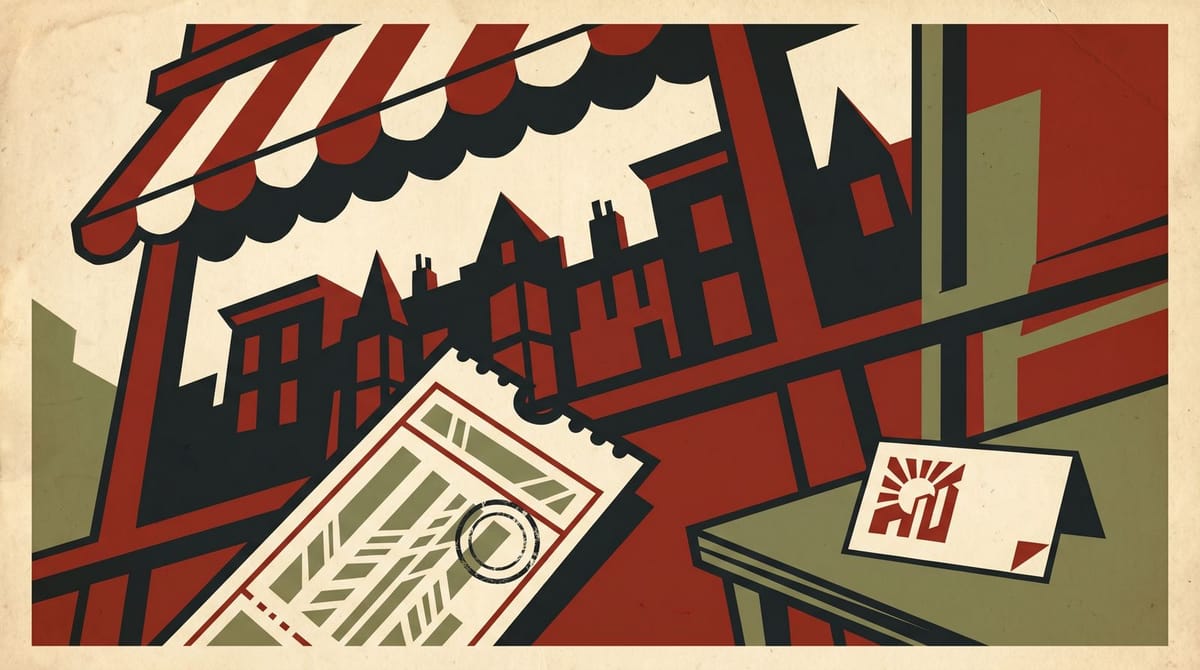
StreetEasy launched Reserve Your Future on May 20, 2026, letting New Yorkers book reservations dated 20 years out at 12 NYC venues including Russ & Daughters, the Guggenheim, and Playwrights Horizons. The campaign marks the platform's 20th anniversary and ships every booking with a verified name, email, and intent-to-stay declaration. That last data point is why this works as a marketing asset, not just a stunt.
The stunt isn't the asset
Most coverage of this campaign has been about the cuteness. The Ad Age writeup, the Muse by Clios recap, and the Reel 360 piece each frame it as a wholesome 20th-anniversary love letter to the city. That framing misses what the bookings actually are.
Strip the venue list away and what's left is a reservation form that captures a name, an email, a venue preference, and an implicit commitment that the user still plans to be in New York in 2046. Read at the database level, that's a psychographic survey wearing the costume of a free Roberta's reservation. And the people filling it out are probably the most valuable audience in residential real-estate marketing: New Yorkers debating whether to stay or leave.
Scott Sparks, principal brand strategist at StreetEasy, told DesignRush that one in five users on the platform browse rental and sale listings simultaneously. That overlap group is the entire commercial premise of the campaign. Those people aren't ready to buy. They might not be ready for two more years. But they're the ones who, when they do convert, account for the seven-figure end of StreetEasy's referral economics. Capturing their email plus a stated 20-year intent puts StreetEasy ahead of every other marketing touchpoint they'll hit on the way.
The Mother New York playbook, with the strategy buried under the fun
Evan Carpenter, strategy director at Mother New York, framed the campaign simply: "Select one of our 12 iconic NYC spots from the dropdown menu, fill out the simple booking form, and you've made a real reservation in 2046." Two things sit underneath that one sentence.
First, the venues weren't chosen randomly. Russ & Daughters, the Guggenheim, Playwrights Horizons, Roberta's Pizza. Each one signals a specific kind of Forever New Yorker. They are places you take a date when you've already decided New York is yours. Sponsoring them buys StreetEasy a brand adjacency that money usually can't reach.
Second, the venue partners "make good faith efforts to honor all reservations." That phrase is the part most people skim over, and it's the part that turns a marketing line into a contractual asset. In 2046, when someone walks into Roberta's holding a 20-year-old confirmation email, StreetEasy gets re-introduced to the customer at the exact moment they'd otherwise have forgotten the brand. Compare that to a typical OOH or social impression, which doesn't get a second firing twenty years later because no one wrote it down.
Why this matters more than the 30-second TV cycle suggests
The boring version of this campaign would have been a hero spot, a string of influencer posts, and an OOH placement at a couple of subway stations. That version generates impressions. It does not generate a customer list.
What StreetEasy did instead is a structural play similar to what DIRECTV pulled off around Upfront Week when it bought sidewalk space and converted earned attention into actual leads. Or what Oscar Mayer turned into a measurable sales lift with the Wienie 500. The brand campaigns getting real traction in 2026 are the ones with a downstream asset. The campaigns dying quietly are the ones whose only output is a sentiment-lift study from a research vendor and a folder of social-share screenshots.
A few specifics on what this customer file is plausibly worth. Most CDP vendors and lifecycle teams will tell you a high-intent first-party email lands somewhere between $4 and $40 of lifetime value depending on category, and real estate sits at the upper end. If 12 venues drive roughly 5,000 reservations apiece across the campaign window (a conservative figure for partners with this kind of cultural pull), you're looking at a 60,000-record file of people who voluntarily declared a 20-year NYC commitment. At even a $10 LTV that's $600K of audience value before a single retargeting impression fires. Mother New York does not work cheap. But it beats the per-impression math of a comparable broadcast spend by a wide margin.
The version a non-Mother-budget brand can copy this quarter
You don't need 12 cultural-institution partners and an agency retainer to steal this structure. The mechanic is what's portable.
Pick something your customer wants in the future, not the present. Set the redemption window beyond your campaign cycle. Make the entry form ask one psychographic question on top of name and email. That third question is the part most brands skip, and it's the part that turns a CRM record into a segment you can actually do something with.
If you sell B2B software, the equivalent is "reserve your Q3 2027 quarterly business review slot." If you sell DTC, it's "lock in your 2026 holiday gift bundle in May." If you sell agency services, it's "book your end-of-year retro for December 18, 2027." Specificity matters. Vague far-future asks ("tell us about your goals") get ignored. Concrete future bookings ("reserve your 2027 review slot at 2pm on a real date") force the reader to imagine themselves at that point in their business. The point is that the act of reserving creates a behavioral declaration. People who fill out a reservation form for next year are saying something about themselves that a generic newsletter opt-in never required them to commit to.
From what I've seen, the brands doing well in the next two quarters won't be the ones spending more on top-funnel impressions. They'll be the ones with a clean, opted-in audience file built from a moment people actively chose to give up their attention. StreetEasy just paid for one of those, dressed it up as a love letter to the city, and let Mother New York take the creative credit. Honestly, that's the cleanest agency brief I've seen this year.
What the rest of the real-estate category should be uncomfortable about
Zillow owns StreetEasy. That detail matters here. Inside the same parent, StreetEasy now holds a 20-year customer file Zillow's national property does not. When a Forever New Yorker hits a moment of decision in 2031 or 2038, StreetEasy will know who they are and what they declared they wanted. Zillow will know they exist. That's a meaningful asymmetry between two properties inside the same company.
Compass, Redfin, and Realtor.com don't have anything comparable. They have impressions and clicks. Impressions and clicks do not survive a re-domain, a rebrand, or a UX overhaul. A 60,000-record loyalty file with declared multi-decade intent does. Once you start thinking about your marketing in terms of which assets survive your next CMO firing the agency, you start running campaigns that look more like Reserve Your Future and less like another 30-second hero spot.
What's interesting to me is how few brand teams will actually copy the structure. Most will read about this, file it mentally under "cute campaign," and go back to optimizing the next quarterly creative refresh. The ones who don't are the ones who'll have a customer file in 2031 that no one else in their category can replicate.
Notice Me Senpai Editorial