Optimizely Served Card Skimmers on 178 Sites, and Marketing Owns the Snippet

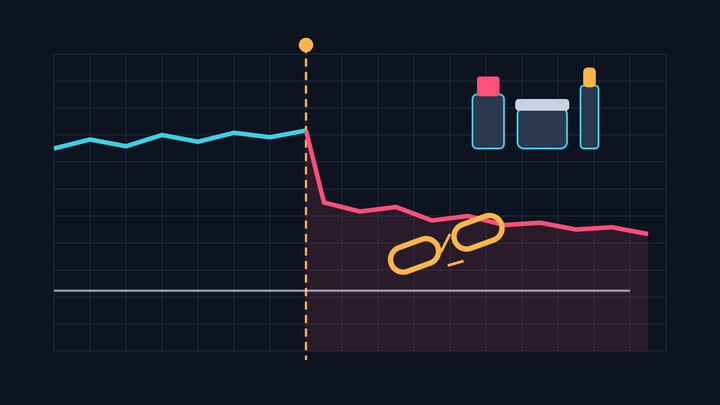
On November 16, 2026, an attacker used a flaw in Optimizely's Experimentation signup flow to inject malicious JavaScript into customer projects, and Report URI found it in 188 snippets belonging to 178 organizations, including Zoom, the BBC, CNN and Salesforce. Only 24 of 159 affected organizations checked (15%) had a Content Security Policy that blocked it, because the code came from Optimizely's own trusted CDN.
That second number is the one I keep coming back to. Most security teams would tell you a CSP is the thing that stops a rogue script. Here, allowlisting cdn.optimizely.com, which is exactly what most sites do, protected nobody. The bad code arrived through the front door, wearing the vendor's badge.
And the front door, at most companies running an A/B testing tool, was probably installed by marketing.
What actually ran on those 178 sites
Scott Helme, who runs Report URI, published a detailed timeline of the infection. The first injection showed up in the BBC's snippet at 04:21 UTC. Zoom's was modified at 11:20. Card skimming was bolted onto the payload at 13:43, and by 23:11 UTC every infected file had been reported clean. So roughly 19 hours, on a Monday, on some of the most visited sites on the internet.
The payload did four things, per Helme's breakdown:
- Swapped cryptocurrency wallet addresses in page text, forms and the clipboard, so payments went to the attacker.
- Captured card numbers, expiry dates and CVVs typed into a site's own checkout fields (hosted payment iframes like Stripe's were out of reach).
- Sent non-HttpOnly cookies, page URLs and screenshots to the attacker's server.
- Served iOS exploit kits to iPhones and iPads running older versions.
The attacker rebuilt the payload 26 times in one day. Wallets tied to the script took in about $7,040 by 19:25 UTC, according to Search Engine Journal's write-up, though nobody can measure the card and cookie losses from on-chain data. Honestly, the $7,040 figure feels small for an attack this wide, and I'd be careful reading much into it. Card numbers don't show up on a blockchain.
Optimizely's status page says an unauthorized party "exploited a vulnerability in Experimentation" and that the injected code has been removed. In a statement to BleepingComputer, the company said the flaw sat in the account signup flow, that it ended active sessions, revoked tokens and reset access for affected accounts, and that all affected customers have been notified. Salesforce told BleepingComputer it disabled Optimizely scripts across its preview and production instances as a precaution.
What Optimizely hasn't explained yet: how a signup flaw let someone write into existing, unrelated customer projects. That gap matters, and I'd want an answer before Black Friday traffic lands on any checkout page running the snippet.
Your A/B test tag has root on your checkout
This is the uncomfortable part for anyone in growth or CRO. A client-side testing snippet works by rewriting the page in the visitor's browser. That's its whole job. To change a headline, hide a form field or reorder a pricing table, it needs the same privileges as your own code. Which means it can also read a card number as it's typed.
Think of it like handing a contractor the master key so they can repaint one hallway. Fine, until somebody copies the key at the hardware store.
Every testing tool, heatmap tool, chat widget and pixel your team adds through a tag manager carries that same master key. We wrote about a smaller version of this last week, when Google turned GA4 tags into GTM containers without asking who should be allowed to publish to them. Same problem, different vendor: marketing tools get page-level power, and the access list is usually whoever needed to launch a test in 2023.
And to be fair to marketing teams, nobody on the customer side seems to have done anything wrong here. The vulnerability was Optimizely's. But "the vendor got popped" won't be much comfort if your site is one of the 68 Helme found with no CSP at all, and your checkout collects card numbers in its own form fields.
Why the security header mostly failed
Helme crawled 256 affected hosts across 159 organizations. The split looked like this:
- 68 had no Content Security Policy.
- 50 had a CSP that let the payload run and let the data leave.
- 17 let the payload run but blocked the data from being sent out (wallet swapping still worked, since it happens inside the page).
- 24 blocked the payload outright.
The difference for those 24 was a tight script-src directive. Two settings undermined almost everyone else. 'strict-dynamic' lets trusted scripts load further scripts, and 'unsafe-eval' let the inline version of the payload run. Per SEJ, Optimizely's own CSP help page recommends 'strict-dynamic', and its sample policy includes 'unsafe-eval'. Which is a bit awkward. HSBC, for example, blocked the external track.js file but not the inline eval fallback, according to Report URI.
I suspect a lot of marketing teams have, at some point, asked engineering to loosen a CSP so a test would render properly. I don't have data on that. It just seems like a common enough request that it's worth checking whether your team ever made it.
The 30-minute Optimizely audit before Black Friday
If you run Optimizely Web Experimentation, this is the checklist Helme and SEJ laid out, in the order I'd do it:
- Search your code. Open the Project JavaScript in every Optimizely Web project, plus the custom JavaScript inside live experiments. Look for
1688360.cc,atob(and any script nobody on your team recognizes. - Read the change log. Optimizely's change history can be filtered by type, date and source (REST API or interface). Filter to Project JavaScript changes from November 15 to 17.
- Cut the access list. Count everyone with write access to project JavaScript. If it's more than the people who shipped a test in the last 90 days, remove the rest. Rotate API tokens and review integrations while you're in there.
- Talk to whoever owns checkout. If your site collects card numbers in its own fields rather than a hosted iframe, cards entered on November 16 should be treated as possibly exposed. That's a legal and payments conversation, not a marketing one, but you might be the only person who knows the snippet is on that page.
- Ask engineering two questions. Does our CSP use
'unsafe-eval'or'strict-dynamic'? Doesconnect-srclimit where data can be sent? A restrictiveconnect-srcalone would have put you among the 41 organizations (24 plus 17) that kept stolen data from leaving.
Even if you don't use Optimizely, steps 3 and 5 apply to VWO, AB Tasty, Convert, your heatmap vendor and anything else in your tag manager. A decent benchmark: you should be able to name every person who can push JavaScript to your checkout page in under five minutes. If you can't, that's the real finding of this audit.
Fewer tools on the checkout page, probably
My prediction: within 12 months, at least one major ecommerce platform will start blocking third-party marketing scripts from checkout pages by default, and testing vendors will lean much harder on server-side experimentation as the pitch. Server-side tests don't run in the visitor's browser the same way, so they can't skim a form field. They're also slower to set up, which is why most CRO teams avoided them.
I'm not sure that trade-off looks the same after this week. A lot of growth teams will probably keep client-side testing on landing pages and quietly pull it off anything that collects payment, which seems like the sensible middle ground to me.
Anyway, none of this is entirely new. Helme warned about the polyfill.io attack in 2024, when a trusted third-party script turned malicious and sites that allowlisted the domain didn't even get a violation report. The lesson then was also that your allowlist trusts the domain, not the code. It just took a tool marketing teams open every day to make it feel personal.
The test that won you a 4% lift last quarter is still sitting there with the master key. Might be worth finding out who else has a copy.