Salesforce Paid $5.66B for Braze, and 2,770 Customers Just Lost Their Easy Exit
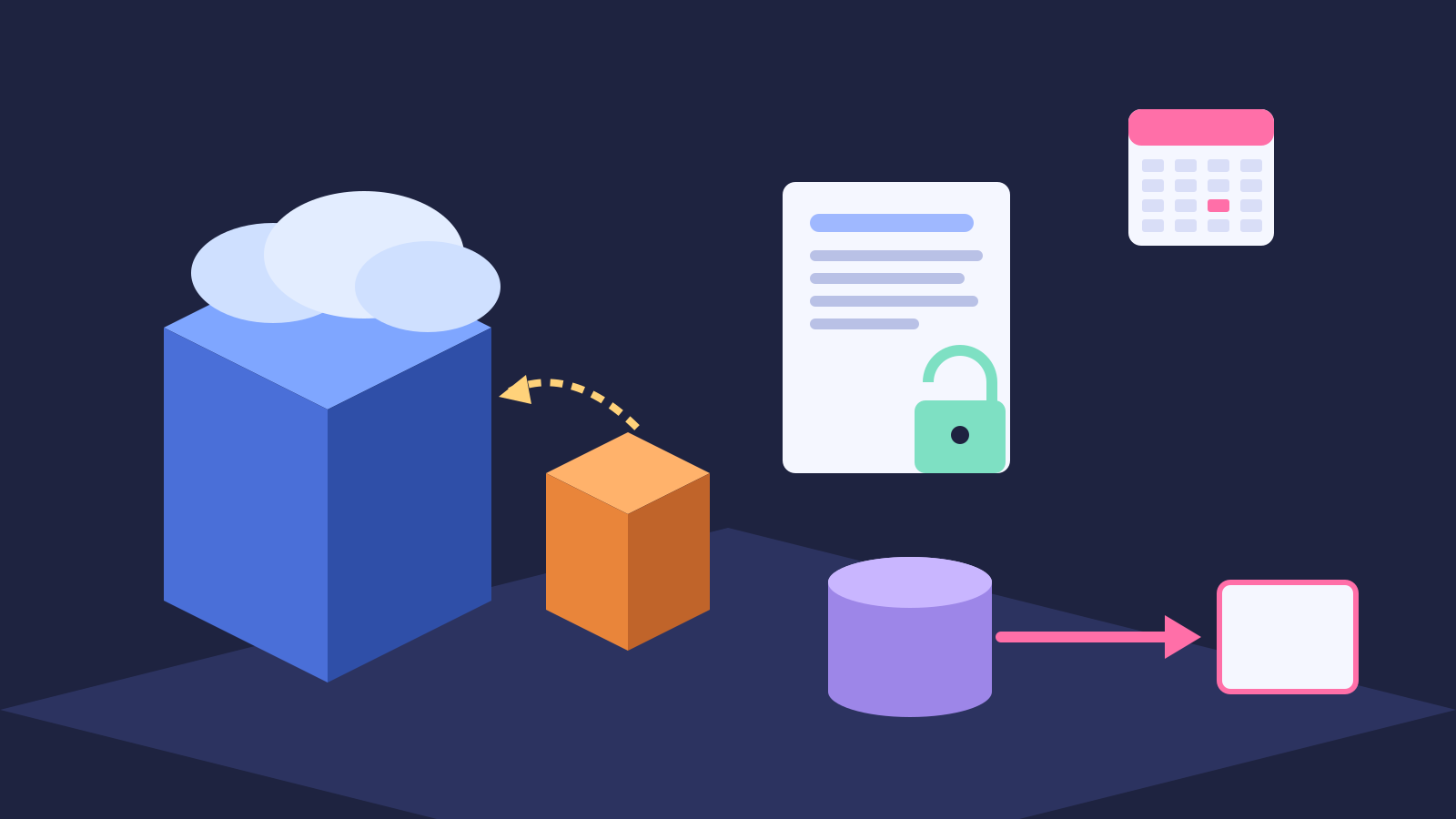
Salesforce agreed on October 20, 2026 to buy Braze for about $5.66 billion in enterprise value, paying $47.50 a share in cash, a 58% premium over Braze's prior close. The deal isn't expected to close before Salesforce's fiscal 2028, which starts February 2027. That gap is the window for Braze's roughly 2,770 customers to lock pricing and data-export terms in writing.
Most of the coverage so far has been about the stock. Braze jumped toward the offer price, Salesforce slid about 3%, and Klaviyo popped 8% on takeover chatter, per Yahoo Finance's roundup. Fine. But if you run lifecycle, CRM or retention on Braze, the share price isn't really your problem. Your problem is that the vendor you picked (quite possibly because it wasn't Salesforce) is about to become Salesforce.
What Salesforce actually said, and what it carefully didn't
The announcement filed with the SEC says Braze's real-time engagement and AI decisioning will "complement" Data 360, Customer 360 and Agentforce, and that Braze is expected to strengthen Marketing Cloud's cross-channel personalization. It also says both companies "share a commitment to an open, composable approach," which is the sentence every Braze customer running their data out of Snowflake or BigQuery is going to reread a few times.
What the release doesn't say is anything about pricing, packaging, product naming or a combined roadmap. CMSWire noted that Salesforce hasn't explained how Braze will sit next to Marketing Cloud's existing email, mobile and journey tools. Braze CEO Bill Magnuson told customers in a LinkedIn post Braze filed with the SEC that "we'll continue building as Braze."
I believe he means it. I also think it's the line every founder says on announcement day, and it tends to hold for about one renewal cycle.
Salesforce's own history is the best guide here. PPC Land points out that Marketing Cloud itself started as the $2.5 billion ExactTarget purchase in 2013. CMSWire lists the rest of the pattern: Demandware became Commerce Cloud, and Krux and Datorama got folded into Marketing Cloud. None of those were disasters, exactly. But nobody running Datorama in 2018 would describe what happened next as "continued building as Datorama."
Your bargaining power peaks this quarter, then it erodes
Here's the part I think most teams will miss. Right now Braze is still an independent public company, its sales team still has a number to hit, and you, the customer, still have a credible threat: leave for Iterable, Klaviyo, Bloomreach, or (somewhat awkwardly) Salesforce Marketing Cloud. PPC Land notes that Gartner's 2025 Magic Quadrant for multichannel marketing hubs named Braze, Salesforce and Adobe as Leaders. This deal puts two of those three under one owner.
Buying from a vendor in the middle of an acquisition is a bit like signing a lease the week the building gets sold. The current landlord is motivated, friendly and flexible. The new one has a spreadsheet.
Once the deal closes, the most likely pressure isn't a price hike on day one. It's softer than that. Bundling offers that make Data 360 or Agentforce feel "included," SKU changes at renewal, sales reps who now get credit for moving you onto Marketing Cloud entitlements. None of that is sinister. It's just how a $5.66 billion purchase gets paid back.
And to be fair, it's not guaranteed to be bad for you. If Salesforce genuinely wires Braze's real-time event stream into a single customer profile, some teams will end up with a simpler stack than they have today. MarTech framed the two outcomes well: the integration could tighten the link between data and activation, or it could "move the complexity behind one logo without reducing it." In most consolidations I've watched from the outside, you get a bit of both, and the second part shows up first.
The contract checklist, ranked by how much it'll matter in 2028
If your Braze renewal lands anywhere in the next nine months, I'd pull it forward and treat this as a negotiation, not a routine renewal. If you renewed recently, you can still ask for an amendment. Braze has every reason to keep logos happy while shareholders vote.
- Multi-year price lock with a capped uplift. Ask for 3 years with renewal increases capped at something like 5-7% a year, and make sure the cap survives a "change of control" or assignment to an affiliate. That last clause is the one that matters. A cap that disappears when Braze becomes a Salesforce entity is decorative.
- Data export rights, spelled out. Full export of user profiles, event history, Canvas definitions and Currents data in a usable format, at no extra cost, on demand and at termination. "Reasonable assistance" isn't a format.
- Product continuity language. If the specific features you depend on (Canvas, Currents, Liquid templating, your warehouse sync) get deprecated or force-migrated, you get a termination right without penalty. Name the features in the contract.
- No forced bundling. Language that your pricing isn't conditioned on adopting other Salesforce products. Probably the hardest one to get, so ask for it last.
- Messaging pass-through costs. Jefferies, as summarized by Stocktwits, flagged that a combined Salesforce might "rely less on outside messaging providers" like Twilio or push them on price. If your SMS and WhatsApp rates are pass-through today, get today's rate card attached.
A rough benchmark for whether you've done this properly: if a lawyer can read your contract and tell you, in under 10 minutes, exactly what you'd pay in year three and exactly how you'd get your data out, you're covered. If the answer involves "it depends on the order form," you're not.
Run a 30-day exit drill even if you're staying
This is the bit that feels like overkill, and honestly it probably is for some teams. I'd still do it.
Pick your single highest-revenue Canvas (usually onboarding, cart abandonment or win-back) and spec what it would take to rebuild it somewhere else. Which events feed it, where the audience logic lives, which Liquid personalization would break. You don't need to actually migrate anything. You need a document that says "moving our top flow would take X weeks and Y engineering hours," because that number is your real negotiating position. Without it, "we might leave" is a bluff, and enterprise sales teams can usually smell a bluff.
It also answers the question CMSWire raised that I think gets underrated: which system owns the customer profile? If the honest answer is "Braze, sort of, plus whatever got synced from the warehouse last night," you'll want that sorted before someone at Salesforce proposes Data 360 as the answer.
Anyway, for teams already on Marketing Cloud, the calculus flips. You're the ones who might benefit, if Braze's event-driven tooling eventually shows up as an upgrade path inside your existing contract. I wouldn't sign anything new on the promise of that yet. We covered how Salesforce rebuilt Marketing Cloud around agents earlier this year, and buying Braze suggests Salesforce decided it needed something it couldn't build fast enough. Which is a little telling, if you think about it.
A guess about Klaviyo, and what I'm watching
The market's immediate reaction was to bid up Klaviyo, and Jefferies openly named it as a possible next target. My prediction: at least one more customer engagement platform worth over $1 billion (Klaviyo, Iterable and Attentive are the obvious candidates) gets acquired or announces a sale process before Braze's deal closes. Maybe I'm wrong on timing. I'd be surprised if I'm wrong on direction.
Which means the "we'll just switch to the independent alternative" plan has a shelf life too. Holly Enneking of Markup AI told CMSWire the big question is "whether Salesforce can preserve the focus that made Braze competitive." Fair question for Salesforce. The more useful question for you is simpler, and you can answer it this week: if your engagement platform changed owners tomorrow, would your contract protect you, or would it mostly protect them?
I suspect a lot of teams are going to find out they never really checked.