TikTok Smart+ Is Running Other Creators' Videos in Your Account by Default
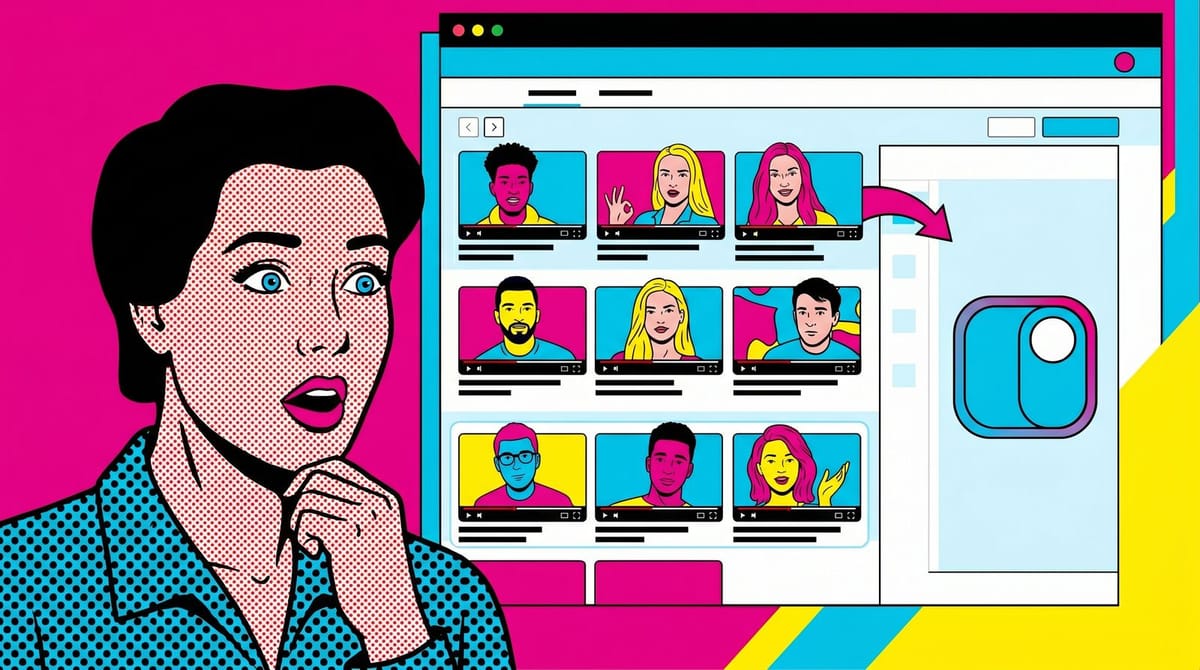
TikTok Smart+ campaigns include an Auto-Select Creatives setting that pulls third-party creator videos from TikTok One into your ad account automatically. Advertisers on r/PPC reported this week they had not noticed it was running. The setting is on by default in Smart+, and the opt-out is a single "Switch to custom selection" toggle inside the creative assets menu.
Where Auto-Select pulls the videos from
TikTok's help article on auto-selected creatives describes the source pool plainly: TikTok One creator content, Content Suite videos, and specific video codes the platform pre-clears for ads use. Creators are paid by TikTok, not by the advertiser. From TikTok's side of the deal, the videos are licensed and the payment plumbing works. That's the part TikTok highlights in its product docs.
The part most advertisers I have seen running Smart+ campaigns either skim past or never see is that the system continues to add newly-approved TikTok One videos and Content Suite assets after you publish the campaign. Set it once, and the creative pool keeps growing without you in the loop.
The default nobody read in the Smart+ rollout
Smart+ launched with Auto-Select on. That detail is in TikTok's product page for auto-selected creatives, which describes the opt-out as switching to custom selection from the creative assets menu. You have to actively click "Switch to custom selection" at the top right to stop the platform from feeding new third-party videos in.
Below that, there is a separate content exclusion rule layer that lets you keep Auto-Select on but filter out specific keywords, hashtags, or themes. It exists, but in practice almost no advertisers I have seen running Smart+ have touched it. It is two menu layers deep, and the platform does not surface it during campaign setup.
From what I have seen, this is the kind of setting that gets noticed in two ways: either the brand team pulls a placement report and recognizes a face they did not sign off on, or a creator notices their video in a brand's ad and tags them in a quote post. Both are bad ways to find out.
What the r/PPC thread actually surfaced
The r/PPC post that put this on people's radar was not a horror story. It was a "wait, what?" The advertiser pulled their creatives panel, saw videos and faces they did not recognize, and posted to ask whether other people were seeing the same thing in their Smart+ campaigns. The replies were the interesting part: a lot of people had been running Smart+ without checking that menu since launch.
That is the signal I would actually take away. Not that TikTok is doing anything legally shady. Auto-Select is documented, creator content is pre-cleared, and the opt-out exists. The problem is that the default skews toward "more creative volume, less advertiser oversight," and that defaults compound when nobody is watching the creative pool in week six of a campaign.
The brand safety gap nobody is pricing in
Here is the part I think most teams will overcomplicate, or worse, just ignore. Pre-approved by TikTok is a different thing from approved by your brand. A creator who has agreed to let TikTok serve their video as part of the TikTok One pool has not necessarily agreed to appear in your specific brand's campaign. And your brand definitely has not approved them.
For most DTC accounts this is fine, and arguably the auto-fill is doing the work a creative manager would have done anyway. For regulated brands (alcohol, finance, supplements, regulated retail), having an unvetted face represent your brand for even one impression is a problem. Compliance teams want to vet faces against age, prior brand affiliations, and political associations. Auto-Select assumes you do not care, and most agencies have not built a workflow that flags new creators added mid-flight.
This is the same structural problem we covered when Advantage+ Shopping won 42% of 640 tests: automated buying products optimize for output metrics, and oversight defaults get treated as a nice-to-have. I would guess most paid social managers reading this are running at least one Smart+ campaign with Auto-Select on right now. The defaults landed the way TikTok wanted them to land.
Three account types where the default is the wrong call
From what I have seen, three kinds of accounts should never leave Auto-Select on by default, and the reasons are not the same.
Founder-led brands where the founder is the face. If the founder has spent two years building recognition as the brand voice on social, having an unrelated creator suddenly carrying an ad in the same feed is a brand confusion problem before it is a compliance problem. Customers do not parse "Smart+ Auto-Select" as a distinct creative source. They see an unfamiliar face attached to the brand they know, and recall takes a hit. For these accounts, custom selection is not a compliance setting, it is a brand integrity setting.
Regulated retail, finance, and supplements. The compliance angle here is straightforward and probably the easiest one to lose your job over. A creator pulled in from TikTok One has agreed to ads use in general. They have not agreed to be associated with your specific regulated product, and depending on the category, the FTC's endorsement guides may require a separate disclosure relationship that Auto-Select simply does not produce. Compliance teams that have not seen this menu yet need to see it this week.
Multi-brand parent companies. If you are running paid social for a portfolio (a holding company, an agency with multiple regulated clients), Auto-Select on means the same creator pool can be cycling through brands that do not want to share a face. That is the part that quietly breaks exclusivity clauses with creators you have paid separately. Worth a 10-minute scan if your retainers include creator exclusivity language.
The 10-minute audit worth running today
Open every active Smart+ campaign in your TikTok Ads Manager. Three steps.
One: in the creative assets selection menu, check whether Auto-Select is enabled. If your client or brand approval workflow requires named creator sign-off, click "Switch to custom selection." TikTok's help doc walks the exact path.
Two: pull the placement report for the last 30 days and scan for creator handles you do not recognize. If you see five or more unknown handles in your top-performing videos, the Auto-Select pool has been doing more of your creative lift than the brand team probably realizes.
Three: if you want to keep Auto-Select on for scale, set content exclusion rules at the Smart+ campaign level. Block hashtags or keywords that put your brand in adjacent territory you do not want. Industry-adjacent competitors, political content, age-restricted categories. The exclusion rule layer is the safety net that TikTok ships but does not push you toward.
Ten minutes per campaign, give or take. Less than the time it would take to walk a brand approval conversation back from the wrong creator showing up in a quarterly review.
Why this defaulted to on, and what it tells you about Smart+
The whole point of Smart+ for TikTok is to make creative volume disappear as a constraint. Auto-Select is the cleanest version of that promise, and TikTok added more advertiser controls to Smart+ earlier this year partly because the original launch felt too automated to some buyers. If you let it run, the creative pool refreshes itself and the advertiser never hits the "we need more videos" wall. From a platform incentive standpoint, the default makes sense.
From an advertiser standpoint, it depends on what kind of business you are running. For commodity DTC trying to scale spend without breaking the creative team, Auto-Select on is probably fine. For anyone with a brand approval process worth defending, the opt-out is the bigger deal than the feature.
Personally, I would not leave it on default for a client account without an explicit conversation about the creative pool. The fact that r/PPC is finding out about this in May 2026, when Smart+ has been live for over a year now, is the part that should make you pull your campaigns up and check.
Notice Me Senpai Editorial