A Million TikTok Views Gets You 2,000 Follows. Series Content Changes the Math.

On TikTok, a million views converts to somewhere between 1,000 and 2,000 new follows, a rate of roughly 0.1% to 2%. Views are rented from the algorithm and vanish inside a week; follows compound, because each new episode of a series pulls old viewers back to your profile. The formats that reliably drive follows are recurring, not viral. Build three or four content pillars and make at least one of them a named series.
The view count is the wrong scoreboard
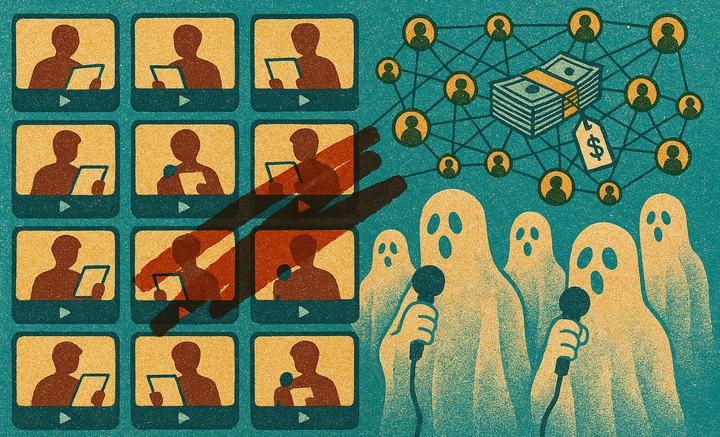
Most brand accounts I look at are optimizing for the wrong number. They chase the viral one-off, the video that does 800,000 views, and then act surprised when the follower count barely moves. It moves barely because that is exactly what the math predicts. A view is the algorithm deciding to show your video to one person, once. A follow is a person deciding they want the next one. Those are very different commitments, and the conversion between them is brutal.
The commonly cited range for views-to-follows on TikTok sits between 0.1% and 2%. Call it a working assumption rather than a law, because it swings with niche and content type. But even at the optimistic end, a video that does a million views is buying you maybe 20,000 follows, and most brand content lands nearer the 0.1% floor. So the viral hit that everyone screenshots and puts in the quarterly deck is, in follower terms, a rounding error.
What makes this worse in 2026 is that raw reach is getting harder to come by. Socialinsider's benchmark data shows average engagement by view down to 3.85% in Q2 2026, and average follower growth across every account tier down about a third year over year. Smaller accounts, the 1,000 to 5,000 follower range where most brands actually live, saw views per post drop 23% year over year. So you are converting a shrinking pool of views at a low rate. If the plan is "go viral and the follows will come," the plan is quietly broken.
Here is the reframe I would start every TikTok strategy meeting with. Treat a follow the way a growth team treats an activation event. It is the moment a stranger opts into a relationship, and it deserves that weight. If you have read our take on why activation rate is the funnel metric most teams ignore, the logic transfers cleanly. Views are traffic. Follows are activation. And you optimize the two with completely different content.
The follow trigger is a reason to come back
People hit follow when they can answer one question: what do I get next time? A single great video does not answer that. It is a good meal at a restaurant you might never find again. A series answers it immediately, because the format itself is a promise. "Part 3 of me rebuilding a dead ad account." "Episode 7 of the packing videos." The viewer knows there is an episode 8, and following is how they make sure they see it.
This is why series and episodic content outperforms isolated posts on follower growth, even when the isolated post gets more views. Each new episode does double duty: it earns its own reach and it sends a slice of new viewers back through your older episodes, which lifts total watch time across the account and signals the algorithm to keep pushing you. The payoff compounds. A one-off does its numbers and dies.
TikTok itself has noticed, and it is now paying brands to build this way. In July 2026 the platform started incentivizing brands to create promotional episodic content, and its official TikTok Growth Max product for mini dramas and drama series lets brands publish episodic content natively with built-in monetization, watch-an-ad-to-continue episodes, and, in TikTok's own numbers, a 52% lift in incremental audience reach over off-platform acquisition. When a platform starts handing out money and reach to push a specific format, that is the format its algorithm is being tuned to reward. I would not wait for that signal to get louder.
You do not need a scripted mini-drama to use the mechanic, and honestly most brands should not attempt one. A "series" can be as simple as a numbered, repeatable segment with a consistent hook, the same opening line, the same setting, the same on-screen title treatment. The consistency is the product. It is what lets a viewer recognize you in a full feed and remember there is more.
The three pillars that actually earn follows
The strongest brand accounts do not post randomly. They rotate through a small set of recurring themes, what most strategists call content pillars. Metricool's 2026 guide recommends three to five pillars treated as a working hypothesis you adjust over the first 60 days based on what performs. I would go narrower, three, because four is where most small teams start missing their cadence. Here is how I would weight them for follows specifically, not views.
Pillar one: the educational series. This is your follow engine. Pick one genuinely useful thing your audience wants to get better at and teach it in numbered episodes. Not a scattered tips account, a series with a spine. Educational content is consistently one of the most durable formats on the platform because it delivers value in the first three seconds and it is inherently searchable, which matters more now that TikTok functions as a search engine for a chunk of its younger users. Benchmark to aim for: if you are under 10,000 followers, a healthy episode should clear roughly 4% engagement by view, which is right at the tier average in Socialinsider's data. Below 2% and the hook or the topic is off.
Pillar two: behind the scenes. This is the trust and personality pillar. The messy process, the day in the life, the thing that went wrong. It rarely goes viral and that is fine, because its job is to convert people who found you through pillar one into people who feel like they know you. Keep it genuinely rough. The best-performing brand content types in 2026 skew heavily toward UGC-style and behind-the-scenes footage precisely because overproduced video reads as an ad and gets treated like one. A smartphone and decent light beats a studio here, most of the time.
Pillar three: trend participation, with a leash. Trending audio and formats are your reach pillar, the thing that puts you in front of strangers who have never heard of you. The trap is doing trends with no through-line, so the new viewer lands on your profile and finds a random pile of unrelated videos. The rule I would set: only jump on a trend if you can bend it back to pillar one or two. A trend that does not connect to your actual series is borrowed reach you cannot bank.
Notice what is missing from that list: "post as often as possible." Cadence matters, but consistency beats volume. Metricool's data notes that 44% of accounts under 100,000 followers moved up at least one growth tier in the past year, and the common thread is steady posting, not record-breaking frequency. Three well-made episodes a week that people actually finish will out-follow seven half-baked ones. Pick a number you can hold for twelve weeks and hold it.
What to stop doing this quarter
Two habits quietly cap follower growth, and both feel productive, which is why they survive. The first is the polish reflex. When a video underperforms, the instinct is to make the next one shinier, add the motion graphics, book the studio. On TikTok that usually makes it worse, because production value flags the video as an ad and the For You page is not a friendly place for ads. The fix is uncomfortable for brand teams: make it look more like the stuff around it, not less.
The second is treating the profile as an afterthought. Every viral trend video sends a spike of curious people to your profile grid, and if the grid is an incoherent scatter, they leave without following. This is the same discovery-then-disappointment problem we wrote about when LinkedIn's algorithm started rewarding consistency over reach. The mechanics differ platform to platform, but the underlying truth holds: reach gets you seen, coherence gets you followed. Your top row of pinned videos should read like a table of contents for your best series. If a stranger cannot tell in four seconds what they will get by following, they will not.
Do this today, it takes about fifteen minutes. Open your profile, look at your grid the way a first-time visitor would, and pin the first two episodes of your strongest series to the top. If you do not have a series yet, that is the actual finding, and it is the first thing to fix.
Questions brands keep asking
How many followers do I need before this pays off? Fewer than you think, and the small-account math is in your favor. Engagement rates are highest at the bottom, with 1,000 to 5,000 follower accounts averaging around 4.4% by view versus under 3% for accounts over a million. A tight series to a small, specific audience converts better than broad content to a big one.
How long until a series shows results? Plan for a full quarter. Follower growth from series content is a compounding effect, and compounding is slow at the start and then not. Judge it at twelve weeks on follows-per-episode and profile-visit-to-follow rate, not on the view count of any single video.
Do I need paid to make episodic work? No, but TikTok is clearly nudging brands toward paying to amplify it through Growth Max. Prove the format organically first. If three episodes in a row convert visitors to follows at a healthy clip, then consider putting spend behind the series, not behind one-off videos.
Where I would put the next four weeks
If I were handed a stalled brand account tomorrow, I would not touch the trending sounds first. I would pick one thing worth teaching, build it into a numbered series with a hook a viewer can recognize on sight, and commit to a cadence I could actually sustain. Then I would clean the profile so the series is the first thing a visitor sees. The reach pillar comes after that scaffolding exists, not before. Follows are not won in the For You page. They are won in the two seconds after someone taps your profile and decides whether there is a reason to come back.
Notice Me Senpai Editorial