YouTube Built Its Own 'Ask' Search Because Google Stopped Surfacing Videos
Google launched "Ask YouTube" on April 28, 2026, a conversational search test inside YouTube for US Premium subscribers, 18 and over, on desktop, in English. The experiment runs through June 8, 2026 and converts video content into text summaries with cited timestamps and persistent follow-up threads. The implication: YouTube's product teams rebuilt video search inside YouTube because Google's main search no longer sends videos the traffic it used to.
What's actually in the test
The eligibility list is narrow on purpose. US YouTube Premium subscribers, 18 and over, desktop browsers, English language. The test window closes June 8, 2026. The only public description sits on YouTube's Premium Early Access page, where Google calls it "a new way to search on YouTube that feels more like a conversation" and warns "quality and accuracy may vary."
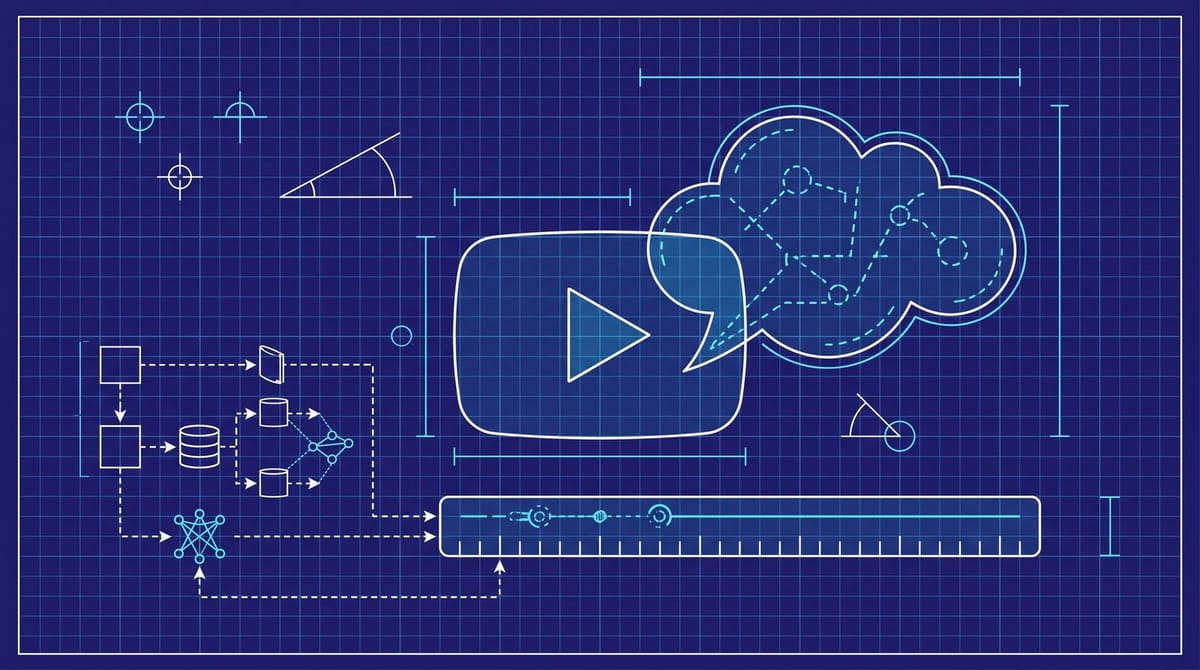
What you actually get inside the experiment, per Search Engine Journal and Engadget's walkthrough: a text answer that summarizes content from multiple videos, each citation linked to a timestamped section of the source video, plus a video gallery and a thread that remembers your previous turns. Mechanically, it's a separate retrieval layer that sits on top of YouTube's catalog, not a redesign of the YouTube search box.
The same product Google has been quietly shipping since February
The "Ask" tool isn't new. TechCrunch reported in February that YouTube extended its conversational AI tool to TVs and streaming devices, and 9to5Google followed in March with the Ask button arriving on TV apps. What launched on April 28 is the same retrieval engine repointed at search instead of single-video Q&A.
The data point that should bother anyone covering YouTube SEO: per remarks from YouTube CEO Neal Mohan in January, more than 20 million users a month were already using the existing Ask tool in December 2025 to query content while watching. Google didn't run this test on a curiosity. They ran it on a 20M-user behavior they wanted to redirect from one box to another, on the surface they own.
Google's own search demoted videos. YouTube is the workaround.
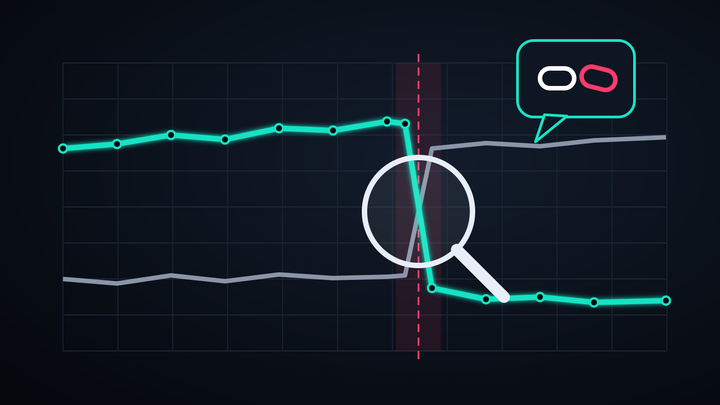
This is where the editorial read has to land, because nobody else will say it this way. Search Engine Land made the case last month that YouTube videos surface less in Google's main results, AI Overviews, Discover, and featured snippets, and that the video carousel SEOs used to chase has thinned out. ChatGPT now commands roughly 12% of Google's search volume but sends 190 times less referral traffic, which gives Google every incentive to keep video answers on its own surfaces.
If your videos aren't getting Google search clicks anymore, and Google can't lock that traffic back into a tab it owns, then the next move writes itself. Lock the answer-engine query inside YouTube, where Google owns the retrieval, the citation logic, and the Premium upsell. From what I've seen, that's the actual mechanism here. What looks like a search test is really a controlled training run for a Gemini surface that lives inside the second-most-trafficked site on the internet.
Why every text-metadata YouTube SEO playbook just got shorter
The old playbook, simplified: keyword-rich title, descriptive metadata, transcript, tags, a thumbnail that earned a click in the carousel. That stack ranks against TF-IDF-style retrieval and a click model.
A conversational retrieval engine doesn't pick videos that way. It picks the segment that answers the question, scores how cleanly the segment maps to the prompt, and cites a 12-second window inside a 14-minute video. Title and tags barely move the needle once retrieval happens at the chapter level. Channels that built an entire SEO discipline around metadata are about to find out that retrieval has moved one layer deeper.
The four-thing rewrite that gets you cited inside Ask
I think most channels will overcomplicate this. The pattern I would test in the next four weeks:
- Re-script intros to answer the spoken question in the first 30 seconds. Ask retrieval favors clean, declarative answer segments. If the literal answer to the implied query sits at minute 8, you don't get cited.
- Add explicit Q&A markers in chapters. Instead of "Setup," label the chapter "How to set up X in Premiere Pro." The chapter title is part of the retrieval surface, and the conversational query lookup tends to pull from chapter labels first.
- Build a question library from YouTube comments and Google's People Also Ask. Comments are the cleanest source for the actual phrasing your audience uses. PAA is a free corpus of conversational queries you can reverse-engineer scripts against.
- Track citation share, not view share. The new metric for YouTube SEO is whether your video showed up as a cited timestamp inside an Ask response, not whether the thumbnail won a click. There's no public dashboard yet, so log it manually for a week to baseline yourself.
The benchmark I'd chase: get cited in 1 of every 5 Ask responses for queries inside your topic cluster within 60 days of the wider rollout. That's a guess based on how citation share usually distributes once a retrieval engine starts ranking, but it's a number worth arguing against.
One thing the test won't tell anybody
Premium-only US desktop English is a heavily filtered sample. The behavior of a paying user on a laptop in English isn't the behavior of the bulk of YouTube. So the data Google publishes from the June 8 cutoff (if they publish any at all, which seems unlikely) will skew toward engaged, ad-tolerant, paying users. The general rollout will look different.
And to be fair, this isn't entirely a bad thing. The Premium gating gives Google a relatively clean training set without ad-blockers, scrapers, or bot traffic muddying the signal. It also conveniently turns the existing 20M-user Ask audience into the seed corpus for whatever Google ships next, which we now know runs on a Gemini-style retrieval stack. A surface Google has been quietly building toward for, what, three quarters now. Our coverage of the AI Overviews 38% click-loss study spells out what tends to happen when these layers go live at full scale.
The bet I'd place on June 9
Wider rollout, no Premium gate, on mobile, by Q4 2026. That's the only path that justifies the engineering investment, and it's the only one that gets YouTube the conversational retrieval moat before ChatGPT figures out video answers natively.
If that lands, the channels that win the Ask citation layer in the next 60 days are the ones with the longest head start when the gates open. I don't think the winners here will be the channels with the most subscribers. From what I've seen with retrieval-style ranking, it's usually the ones who restructure their content for the new query shape first, even if they're smaller. Treat June 8 as a dress rehearsal you weren't invited to, not a launch date.
Notice Me Senpai Editorial