Delta Bought a ChatGPT Ad Through Amazon DSP, and Attribution Got Messier
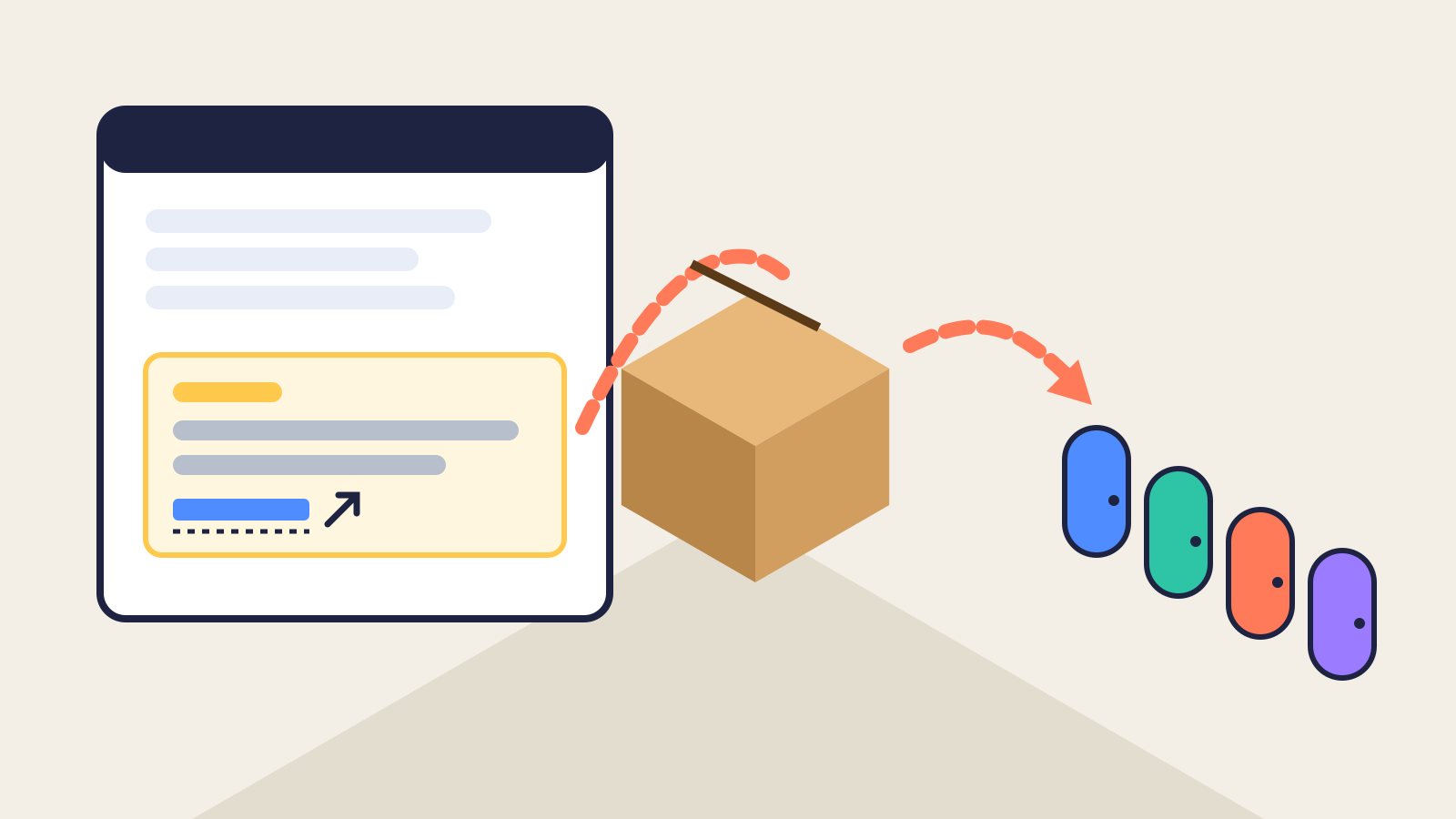
At least one ChatGPT ad, bought by Delta Vacations, now clicks through Amazon's ad tracking server before reaching the advertiser's site, according to Search Engine Roundtable's October 26 report. That confirms Amazon DSP's invitation-only ChatGPT pilot, launched September 10, is serving live ads. For buyers, the same ChatGPT placement now has at least four purchase routes, each with its own reporting.
The ad itself looks like any other ChatGPT ad. That's sort of the problem.
The spot came from Juozas Kaziukėnas, who noticed on LinkedIn that a Delta ad's click target routed through Amazon's click-tracking server. He also said there was "barely any detail on how this integration works" and that he hadn't seen other advertisers using it yet. Same report, separate finding: Brodie Clark caught OpenAI testing a new "learn more" link with an arrow and a dotted underline inside text-based ads. Two small sightings on the same Monday. I think the Amazon one matters a lot more, even if the arrow is the one people will screenshot.
What Amazon actually bought into
None of this is a surprise on paper. Digiday reported on September 10 that select U.S. advertisers using Amazon Ads, including the Amazon DSP, could start buying ads inside the ChatGPT app, with Delta Vacations named as the first brand. Delta's president, Katrin Koenig, said the company would use "deep consumer insights to inform how and when Delta Vacations appear within ChatGPT Ads experiences."
The mechanics, per Channel Insider's breakdown, are pretty specific. The pilot runs as a managed service. Amazon handles campaign setup and budgets. OpenAI's system still decides when and where an eligible ad shows up, and marketers can't pick exact prompt placements. Pricing is CPC or CPM. And reporting comes back as aggregated impressions, clicks and average costs.
Read that last part again.
Aggregated impressions, clicks, and average cost. That's the reporting. No mention of conversation context, no prompt categories, nothing that tells you which kind of question your ad showed up next to. Which, to be fair, is roughly what OpenAI's own console gives you too. But it means the Amazon route doesn't seem to buy you better visibility, just a different invoice.
Four front doors to the same room
Here's where it gets messy for anyone running more than one agency or platform. ChatGPT inventory is now reachable through:
- OpenAI's own self-serve Ads Manager, which opened to all U.S. businesses in May
- Criteo, which was the first ad tech partner in the pilot
- StackAdapt, which dropped its minimum spend commitment for ChatGPT ads
- Amazon DSP, now visibly live with at least one brand
Relevant Audience's summary of the Digiday piece also notes OpenAI has signed deals with the major agency holding companies. So for a big brand, it's entirely possible that the search team buys ChatGPT through the OpenAI console, the retail media team buys it through Amazon, and an agency trading desk is testing StackAdapt. Three teams, three dashboards, one auction.
I don't know for certain whether those routes can bid against each other in the same auction. OpenAI hasn't said, and Amazon hasn't said. But in most programmatic setups I've seen described, the platform deduplicates the advertiser badly or not at all, and you only find out when someone notices CPCs creeping up on a placement nobody changed. If you're curious how unpredictable ChatGPT's ad selection already is, our piece on how ChatGPT ads can win the auction and still lose the impression covers the orchestrator layer. Adding more buyers on top of that doesn't make it simpler.
The Amazon click tracker is the part worth checking
The click path is how Kaziukėnas spotted this in the first place, and it's also the reason measurement teams should pay attention. When a click passes through Amazon's tracker, Amazon logs it. That click then counts inside Amazon's attribution, which is built around Amazon's own data and, for a lot of advertisers, Amazon's own conversion events.
On paper, that sounds like an upgrade. Amazon has years of purchase data and OpenAI's measurement stack is still young (Digiday lists measurement among OpenAI's ad business weaknesses, alongside clunky tech and limited formats). And sometimes it will be an upgrade, especially for brands that sell on Amazon.
For everyone else, it's another walled garden grading its own homework. The ChatGPT click now has a decent chance of being claimed by Amazon's reporting, by OpenAI's conversion tracking if you've installed it, by your GA4 last-click, and maybe by whatever retail media dashboard your ecommerce lead checks on Mondays. Every one of those systems will say the ad worked. Anyway, we've written before about why every platform says your ROAS is great, and this is a new, very clean example of it.
And honestly, this isn't entirely new. Amazon DSP has always wrapped clicks in its own tracking. What feels different is that ChatGPT traffic was already one of the hardest sources to attribute. OpenAI's own UTM changes have pushed organic ChatGPT clicks into Direct. Now paid clicks may arrive wearing an Amazon redirect. The source column in your analytics is going to be a mess for a while.
About that learn more arrow
The second sighting deserves a short note. A dotted-underline "learn more" with an arrow is a small thing, but it's a call to action on text ads that previously didn't have an obvious one. If OpenAI rolls it out broadly, I'd expect CTR on text units to rise a bit, and I'd also expect a portion of that lift to be people clicking to see what the arrow does. That's the boring prediction. Treat any CTR jump in the next few weeks with some suspicion before you credit your copy.
A 20-minute route audit for ChatGPT spend
If you spend anything on ChatGPT ads, or your agency says it does, this is worth an afternoon. Probably less.
- List every buying route. Ask each agency and internal team one question: "Are we buying ChatGPT inventory, and through which platform?" OpenAI console, Criteo, StackAdapt, Amazon DSP. Write down the answers. Most brands I'd guess have never asked it out loud.
- Click your own ads. Run the prompts your campaigns target, click through, and watch the redirect chain in your browser's network tab. If you see Amazon's tracking domain, that line item is running through the DSP pilot, whether or not anyone told you.
- Compare cost per click across routes. If two routes buy the same audience, their average CPCs should land within roughly 10% to 15% of each other. A gap bigger than that suggests either fee differences or self-competition. Digiday notes Amazon DSP fees on programmatic guaranteed deals often land near zero, compared with The Trade Desk's historical 15% to 20%, so fees alone shouldn't explain a big spread.
- Pick one source of truth for conversions. Before Q4 budget reviews, decide whether ChatGPT performance gets judged in GA4, in a holdout test, or in a platform dashboard. Just not all of them at once.
The benchmark I'd use: if more than one internal team is buying ChatGPT inventory and none of them can name the others' route, consolidate to one route for 30 days and see if CPCs drop.
Where this probably goes next
My guess is that by the end of Q1 2027, at least half of the brands spending meaningful money on ChatGPT ads will be buying through a partner DSP rather than OpenAI's console. The holding company deals and the Amazon pilot point the same way. OpenAI wants reach into existing budgets faster than its own sales team can build relationships, and DSPs are the shortcut. I could be wrong on the timing. The direction feels pretty clear though.
Personally, I wouldn't rush to add the Amazon route unless you already run serious money through Amazon DSP and want ChatGPT under the same contract. What I would do is find out whether you're already on it. The Delta ad didn't look any different from the outside. The only clue was a redirect, and most people never look at those.