Coors Light Skipped FIFA Sponsorship and Bought the Goal Call Instead
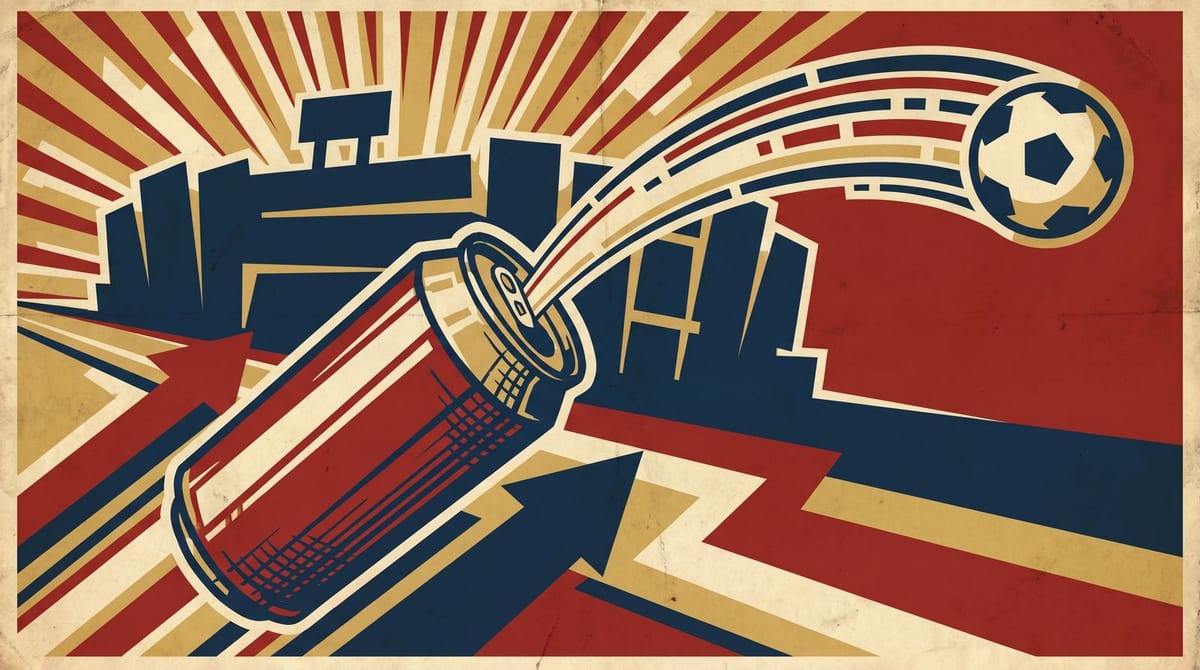
Coors Light launched "The Coooors Call" on April 29, 2026: a World Cup campaign that adds an extra O to the brand name every time someone scores, anchored by a hero spot starring Spanish-language sportscaster Andrés Cantor. Coors Light is not an official FIFA sponsor. Budweiser owns that slot globally, and Michelob ULTRA owns the US. The play here is owning the cultural moment instead of the rights.
What Coors actually bought
The mechanic, per Marketing Dive: every goal in the tournament earns the brand an extra O. Limited-edition packaging shows the elongating name. The 30-second hero spot has Cantor at a bar ordering a beer and stretching the word "goal" into "Coooors," joined by a fisherman and a wolf doing the same call. There's also OOH in Times Square and the host cities (Dallas, Atlanta, Philadelphia, Kansas City), Uber in-car activations across those markets, in-stadium soccer and baseball, a Chelsea FC event in Chicago, and a sponsorship of the Unfiltered Soccer podcast.
Sofia Colucci, CMO at Molson Coors, gave the official line: "The Coooors Call is our way of leaning all the way in by extending our name with the most iconic letter in soccer." The press release line is fine. The actual move is sharper.
Cantor is the Spanish-language voice that turned "GOOOOOOOOL" into a recognizable cultural artifact starting with the 1990 World Cup on Univision. He is the original elongated vowel in soccer. Coors Light didn't pay FIFA. They paid the guy whose voice is more strongly associated with goals than the tournament itself.
That trade is structurally smart. FIFA's top-tier partner program runs in the nine-figure range, and even regional sponsorships are reported to clear $30M for the tournament window alone. Coors likely paid Cantor a fraction of that for licensing his voice and image, plus production for one TV spot, plus packaging changes that tooling-wise are a label-art swap. The math on that delta funds the rest of the campaign budget twice over.
Why this beats writing a check to FIFA
The official sponsor route is expensive and predictable. Budweiser gets player partnerships (Haaland, Klopp), trademark protections, in-stadium signage, and a 40-year legacy line they can keep telling. What they don't get is something to forward. The "Let It Pour" platform is celebrity-led classical sponsorship work. Effective. Forgettable.
Coors built something audiences will track. The packaging changes during the tournament. Every time the US scores, or Argentina scores, or anyone scores, there is a tangible product update. That gives consumers a reason to walk into a 7-Eleven on day 12 and check what the can looks like now. CPG packaging that updates is rare. CPG packaging that updates because of live sport is essentially never. It is closer to a software release cadence than a beer launch.
This is also a hedge against the legal risk of harder ambush plays. Lexology's overview of FIFA's brand protection program lists "FIFA World Cup," "World Cup," the mascots, and phrases like "World Cup Beer" as protected. The infamous Bavaria Beer ambush at the 2010 tournament got 36 women in orange dresses detained and led to a FIFA cease-and-desist that almost ended the brand's UK distribution. Coors avoids all of it. The campaign mentions soccer, goals, and Cantor. None of those are FIFA marks.
The packaging-as-software angle
This is the part most brand teams will miss. Live event packaging that mutates with the event is a content strategy disguised as a SKU. Each new O is free social content for Coors. Every match where someone scores is a product photo opportunity, a reason for retailers to swap displays, and a reason for fans to post their cans on TikTok with the new spelling. The campaign extends every time a striker does the work for them.
From what I've seen, most brand teams running event-tied campaigns make the asset once and then have nothing to say for the next five weeks. They write the spot, run it, run it again, and the only refresh comes from media spend, not story. Coors built a campaign with an internal clock that ticks every 90 minutes during the tournament. That is a fundamentally different content engine.
The closest comparison in recent NMS coverage is Burger King's marathon ad, which used a real-world insight (runners too tired to stand) to outperform Nike's bigger spend on the same event. The shape of the play is similar: skip the official rights, find a culturally specific detail nobody else is going to claim, and own that instead.
One small thing worth flagging: Coors doesn't have to actually count goals in real time for the campaign to work. Even if the brand only updates packaging at major moments (US wins, knockout-stage goals, the final), retailers and fans will still treat the can as a live tracker. Perception of a real-time mechanic is most of the asset. The Spotify Wrapped model is roughly the same idea, where the data is preprocessed and surface-level interactivity is enough to feel personal.
What to steal if you don't have FIFA money
Three things travel out of this campaign for any brand sitting on a tentpole event without sponsorship rights.
First: find the proxy voice. Cantor isn't a sponsor, but he is a sound-recognition asset that audiences associate with the event more than they do most official partners. Every category has someone like this. For the Super Bowl, it's Pat McAfee or the Manning brothers. For Wimbledon, it's a specific BBC commentator. For Eurovision, it's the host country's national broadcaster. Buy the voice. The voice doesn't cost what the rights cost.
Second: build a mechanic that updates during the event. Aim for at least one product, package, social, or store-level update per real match day. The Coors goal-counter cadence updates roughly every 80 to 110 minutes whenever matches are live. That is dozens of free packaging moments without anyone in the brand team writing a single new line of copy. The campaign authors itself.
Third: stay 100% off FIFA's IP list. The OhBev rundown on alcohol marketing for the tournament is worth a read on the line between cultural reference and trademark infringement. The legal exposure on the wrong side of that line is multi-million-dollar territory. The Coors campaign references the sport, the goal, and a public figure with personal IP. It does not reference FIFA, the tournament name, the mascot, or the trophy.
The bigger pattern
Tentpole events keep getting more expensive to officially attend and more crowded with the people who paid full price. The Coors play is a category lesson: the official sponsor often pays for the venue, but the cultural artifact is up for grabs. Andrés Cantor is the cultural artifact in this case. The elongated O is the product. Budweiser still gets to put a logo on the field. Coors gets to own the moment everyone screenshots when the goal happens.
The thing I keep coming back to is the cadence. Most marketing teams plan a tentpole campaign as one big swing, then go silent. Coors built a campaign that wakes up every time something happens in the world it cares about. Find the trigger. Build the response. Most teams will not, and that is mostly why most tentpole campaigns feel flat by the second week.
By Notice Me Senpai Editorial