WARC's 68.8% Flip Explains r/advertising's Anti-Performance Complaint
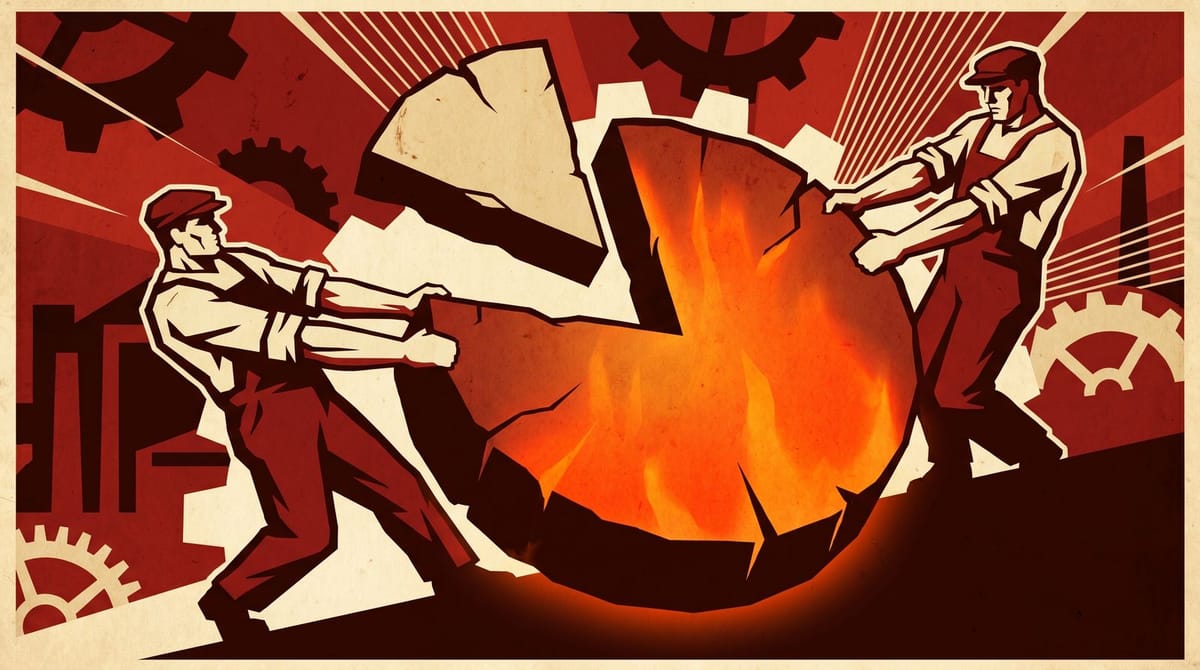
A viral r/advertising thread on May 10, 2026 argued that performance marketing and A/B testing killed the craft of advertising. The diagnosis is half right. WARC data shows global marketers flipped the historical 60/40 brand-to-performance ratio to 31.2/68.8 in 2024, down from 40.1/59.9 a year earlier. The optimization tools did not kill creative judgment. Pulling roughly 9 points of brand spend out of the budget in a single year did.
What the thread actually claimed
The original post is the standard practitioner essay: optimization culture flattened taste, A/B testing rewards safe variants, the people running the dashboards do not employ the people who could write a memorable line, and what is left is an endless feed of the same UGC hook with a different person's face on it. The comments are mostly people agreeing, which is also the standard r/advertising pattern.
That sentiment is not new and it is not wrong about the symptom. The agency creative role has gotten thinner, the dashboards have gotten bigger, and the work that gets greenlit looks more like every other piece of work that got greenlit last quarter. Brillity's 2026 read on creative fatigue describes the state of the feed pretty bluntly: endless clones of the same UGC testimonial, day-in-the-life demo, voiceover, aesthetic, and soundtrack, until the algorithm stops rewarding any of it.
The thread blames the testing tools. That is where the diagnosis goes wrong.
The 68.8% number is doing the actual damage
Binet and Field's 60/40 framework, originally published in The Long and the Short of It using data from 996 IPA Effectiveness Awards case studies, is the most-cited number in modern marketing. Roughly 60% to brand, 40% to activation, with the brand half doing the heavy lift on long-term market share and the activation half capturing the demand at the point of decision.
Binet himself has said the 60/40 split is not an iron rule and the right ratio depends on category, lifecycle stage, and how much short-term pressure a business is under. Fine. But the actual market in 2024 was not running 55/45 or 50/50. It was running roughly the inverse of what the framework recommends, with most of the move happening in a single year.
That is the part that matters for the r/advertising thread. When a brand line gets cut from 40% to 31% of total spend in twelve months, the people who used to make the long-form work do not get smaller projects. They get cut. The creative roles that survive are the ones tied to weekly variant production, because the weekly variant is what the activation budget will pay for. So yes, the work gets thinner. But it gets thinner because the budget for the other kind of work disappeared, not because anyone tested it against a different headline and lost.
The brands the thread points to as proof actually prove the opposite
Liquid Death and CeraVe show up in every "remember when ads were good" post on r/advertising. They are also two of the most testing-heavy, performance-instrumented brands in their categories.
Liquid Death has 14 million followers across TikTok and Instagram and a $1.4B valuation, per NoGood's marketing breakdown, with one campaign hitting 30 million views in 48 hours and a 3:1 share-to-like ratio. Marketing Brew's January 2026 read on the brand notes the in-house team is small enough to fit in an SUV, "legally," and they ship more variants per week than most agency creative teams ship per quarter. The ads are good and the testing volume is high. The lesson the thread misses is that Liquid Death's testing rewards weirdness because the brand has already established that weirdness is the point. The test inputs come from comedy writers. The tests just decide which weird thing wins.
CeraVe is the cleaner case. Marketing Dive's $2B brand breakdown walks through the path: a 67% jump in influencer posts in the first half of 2020, a 300% engagement lift, the 2024 Super Bowl spot with Michael Cera and 450+ creators rolling out a single inside joke. None of that happens without the testing infrastructure underneath, and none of it happens without somebody at L'Oréal protecting the long-form creative budget through the period everybody else was cutting it. We covered Liquid Death's limb-eating ad earlier this month with a similar point: the brand earned the right to escalate before the test ever ran.
If the r/advertising thread were correct, these two would be the worst-looking brands of the decade. They are not. They are the proof that the missing variable is not testing. It is the protected brand budget feeding the test inputs.
What Search Engine Land's PPC data adds
Worth flagging because it actually agrees with the thread, just from the other direction. Search Engine Land's read on Google's own performance signals argues that creative, not bidding, is now the limiting factor in PPC. The bidding stack is mature enough that the marginal CPC win is small. The marginal creative win is much bigger, and most accounts are not actually testing creative variants at the cadence the algorithms reward.
So the gap is not "performance marketing vs craft." The gap is between teams that fund the people who can produce a strong creative input and teams that fund only the people who can spin variants of whatever the brand already has. The first group is shrinking. The second group is most of the market.
The 30-minute brand-to-activation audit
If you run a marketing budget and the r/advertising thread made you nod along, here is the actual move worth making this week. Pull last quarter's spend and split it into two columns: anything that drove a measured short-term action (paid social with a CPA target, paid search, retargeting, affiliate, lifecycle email tied to a promo) goes in activation. Anything that did not (out-of-home, podcast, organic content, sponsorships, brand creative production, PR) goes in brand.
If the brand column is under 30% of total, you are running below the 2024 WARC average, which means you are below the level at which most peer brands have already started seeing decay in long-term effectiveness. From what I have seen, the 30% mark is roughly the line between teams that can name three pieces of work they ran last year and teams that can name zero. That is not a guarantee, just the pattern that keeps showing up.
The fix is not heroic. It is moving 5 to 10 points from activation to brand for a single quarter and protecting the brand line from the same weekly ROAS scrutiny. Brand work does not survive a four-week dashboard review. That is a feature, not a bug, but most marketing orgs do not have the political cover to say it out loud.
Where the nostalgia narrative loses
The r/advertising thread is doing what r/advertising threads do, which is romanticize the era when the agency creative had the power to greenlight a strange idea. That era is partly real and partly a story the industry tells itself. The 60/40 framework is not nostalgia. It is one of the better-evidenced findings in marketing, with two decades of IPA case data behind it. The flip to 31/69 is the actual story.
Honestly, the thread should be louder. Not at the testing tools, which are probably the most useful invention to land in marketing in fifteen years. At the CFOs and the boards that took 9 points out of the brand line in a single year and called it efficiency. The tools did not make that call. People did. And the people who would push back are mostly the ones who got cut in the same budget cycle.
I do not think the brands that recover here are the ones with the loudest creative directors. It is probably just the ones who quietly move 7 points back across the line and let one piece of work breathe for a year before they ask it for a number.
Notice Me Senpai Editorial