Google's AI Mode Rewrote Publisher Titles Until Lily Ray Called It Out
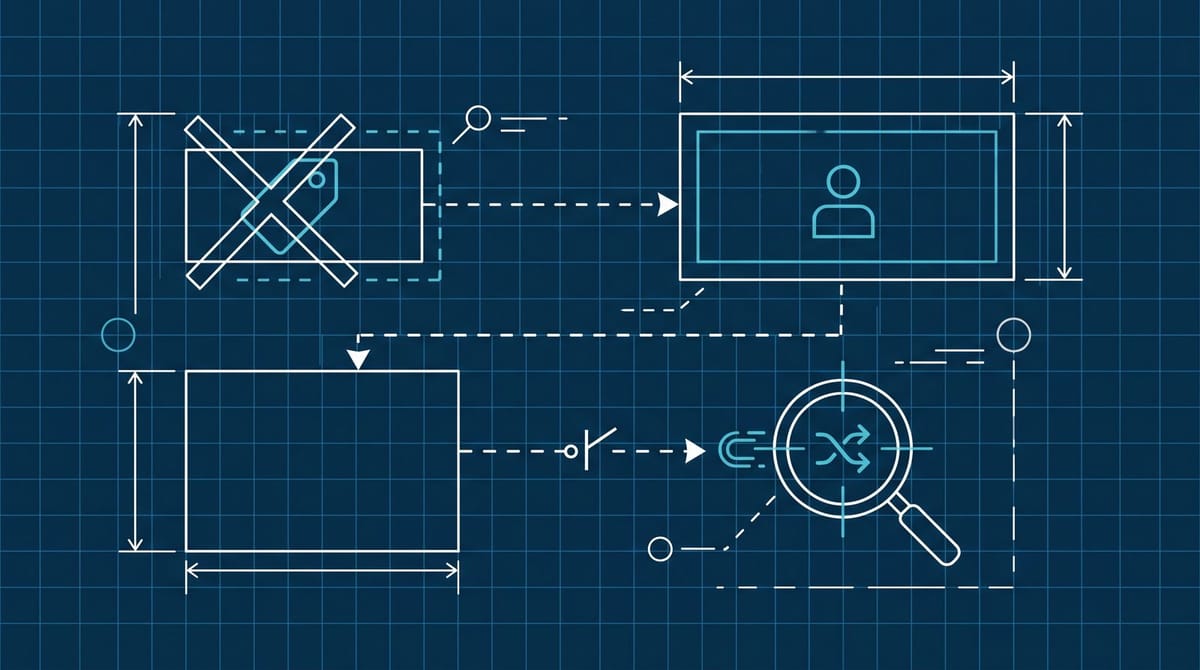
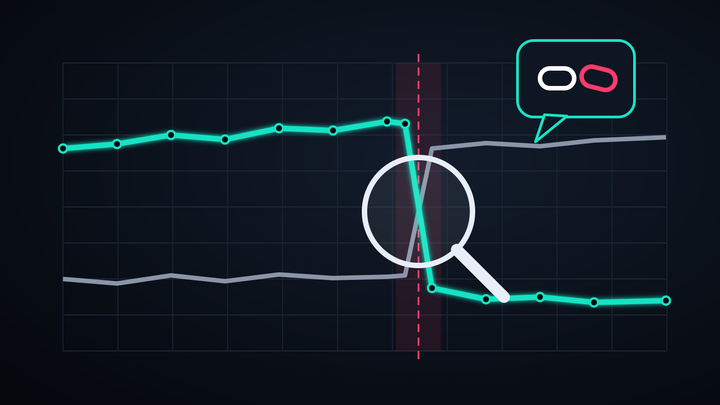
Google confirmed on April 23, 2026 that AI Mode has been rewriting publisher citation titles into a person's name when the page mentions someone by name. Rajan Patel at Google said "It is a bug. Thanks for pinging, we'll fix" after Lily Ray posted a video of the issue the day before. The fix is coming, but the control layer around your brand surface is not.
What actually broke in AI Mode
Lily Ray posted a short video on April 22 showing Google AI Mode returning an answer with citations where the clickable anchor text was not the publisher's title tag or page headline. It was a person's name pulled from somewhere on the source page, linking to the page URL. Barry Schwartz at Search Engine Roundtable flagged it the same day. Rajan Patel at Google, who works on AI Mode, confirmed within a day that it was a bug and said the team would fix it.
The fact pattern is narrow. AI Mode was swapping the citation label from the page title to a first name it apparently grabbed from the article body. The URL still pointed to the right page, so the click would go where you expected. The label looked wrong. For a user scanning AI Mode output, that label is the first impression of your brand. For a lot of publishers, for some unknown window of days or weeks, that first impression was the first name of a person quoted inside the article.
Google says it's a bug, and I believe them. Nobody ships that on purpose. The question is how long it ran and how many citations carried it, and on that we have no answer. Rajan Patel did not say. Search Engine Roundtable did not say. The fix announcement did not come with a backfill.
The title tag left your server a while ago
This is not the first time in recent weeks that your title tag showed up as something you did not write. In March 2026, The Verge caught Google running a small experiment to replace publisher headlines in standard search results with AI-generated rewrites. Google confirmed the test to 9to5Google and added that any wide rollout would "not be using a generative model," which, read carefully, concedes the test version was.
So in the same six-week window, Google:
- Tested AI rewrites of your title tag in the classic ten blue links
- Shipped, accidentally, a citation label swap in AI Mode
- Kept rolling out the Chrome AI Mode side panel that was already reducing source-page visits
And we are still inside one quarter. I don't think anyone at Google is drawing a diagram of all these surfaces talking to each other. I think they are shipping features into the same rendering pipeline and finding out in public what breaks.
The citation slot was already a negotiation
Publishers have spent two years optimizing for AI Mode citations because the citation, not the SERP blue link, is the unit of visibility now. SE Ranking's February 2026 study of 1.3 million AI Mode citations found that 17.4% of them now point to google.com, up from 5.7% nine months earlier. Google cites itself more than YouTube, Facebook, Reddit, Amazon, Indeed, and Zillow combined. ALM Corp's breakdown of the study shows the center of gravity moving toward Google's own properties. Seer Interactive's CTR data from last fall already showed organic CTR dropping 61% on AI Overview queries, from 1.76% to 0.61%.
Inside that compressed citation slot, the label text matters more than almost anything else we control. It is the one surface where your brand name, your editorial framing, and your keyword show up inside Google's answer. If the label gets swapped for a random first name, you lose all three at once. The click might still happen, but the brand signal that drives repeat visits, direct search, and newsletter sign-ups is gone.
And we only know this is happening because one SEO with a big account noticed. That is roughly the detection system publishers have right now. Lily Ray scrolls through AI Mode, something looks off, she posts a video, Google responds. It works. It is also embarrassingly fragile.
The brand-surface audit you should actually run this week
If you're a publisher or a brand operating any kind of editorial site, the practical move is to audit how you show up in Google's AI surfaces at least once a week, not once a quarter. Two checks worth doing on your top 10 cited URLs:
- Screenshot the citation label. Pick your ten most-cited URLs in AI Mode over the last 30 days. Search the queries that trigger those citations and capture the citation label as Google renders it in both AI Mode and AI Overviews. Does the anchor text match your H1, your title tag, or something else? Log it in a sheet with the date. When it shifts, you will have the before-after on hand.
- Lead paragraphs with your brand name. Lily Ray's example appeared to pull a name from the body copy. If you want to be defensive about it, put your brand name inside the first 50 words, so the signal that would be swapped in a citation still says your name. Not elegant. It is, from what I have seen, the only hedge that costs you nothing on the page.
Neither of these is a fix. They are reconnaissance. The actual control lives inside Google, and right now the only lever publishers have is noticing faster than the next person.
Why the fix doesn't close the question
The bug fix is coming. That is fine. What I keep coming back to is that your brand surface is increasingly rendered by systems you do not control, do not see change logs for, and do not have a reliable way to monitor. The classic SERP was at least observable. Rank trackers, SERP screenshots, GSC impressions, coverage you could sample.
AI Mode is observable mostly by hand. The brand label in the citation, the citation rate on a given query, the exact text Google lifts from your page, all of it moves without notice. There is no "AI Mode Search Console" that tells you when your citation label stopped being your title tag. Liz Reid already conceded that AI Mode queries are 2 to 3 times longer than what your keyword tool tracks, so even the input side of this system is opaque.
From what I've seen, the SEO teams that will stay ahead of this are the ones who already treat their top citation URLs like ad creatives under review. They screenshot, they log, they check weekly. Not because the audit is elegant. Because right now it is the only defense against a platform that ships changes faster than its own QA catches them.
Rajan Patel's reply was polite and fast. It was also a reminder that the loop from "bug in production" to "fix acknowledged" depended on one tweet. If the next AI Mode bug is stranger or less photogenic, there is no backup system waiting to catch it.
Notice Me Senpai Editorial