Google's Discover Reporting Broke 10 Days After the 50-Week Bug Closed
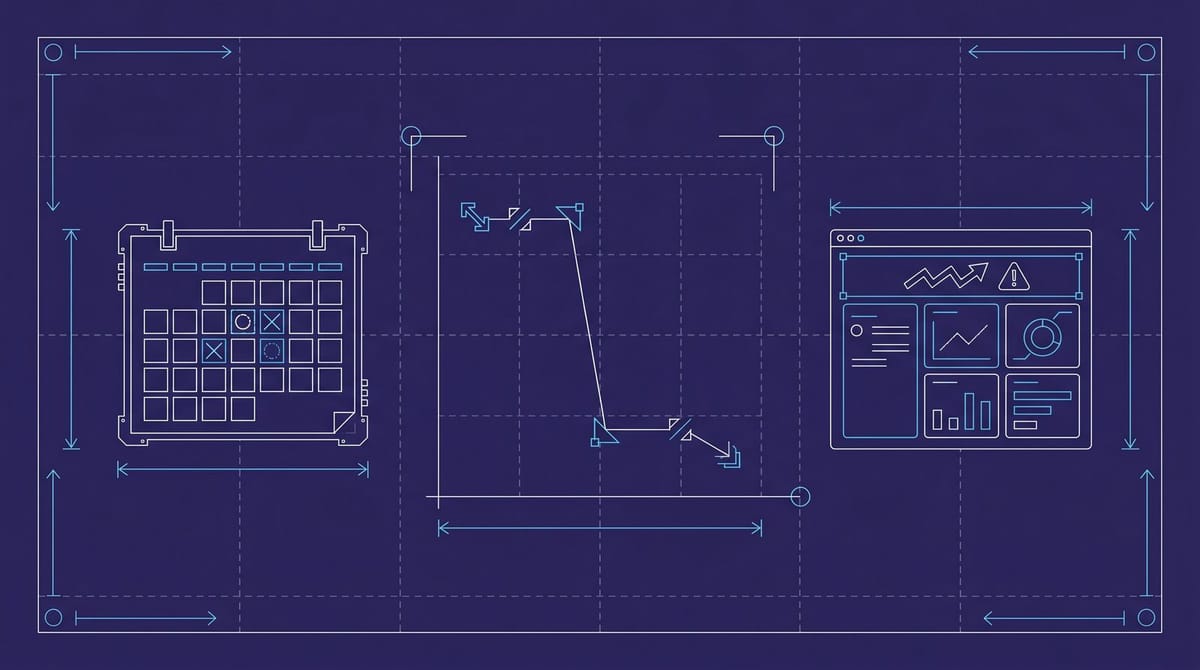
Google confirmed a logging bug knocked clicks and impressions out of the Discover performance report in Search Console between May 7 and May 8, 2026. The fix has no public ETA, and John Mueller already confirmed historical data from these bugs does not get backfilled. Annotate the two-day gap in your client dashboard before the next QBR, or someone will read the dip as lost traffic.
The exact two days Google is asking you to ignore
Google's data anomalies page added a fresh entry: "A logging error is causing a decrease in clicks and impressions for the Discover report from May 7 until May 8, 2026." That language matters. Logging error means the dashboard is wrong, not the traffic. Your positioning in Discover was not impacted, and the clicks readers actually made still showed up on your site. The dashboard simply did not record them.
Barry Schwartz flagged the confirmation at Search Engine Land, and the disclaimer on Google's side reads dryly enough that most teams will skip past it without registering what it does to their weekly graph. If you only look at Search Console's default trend view for Discover, May 7-8 will read like a sudden cliff. Two missing days in a 28-day rolling chart drag the trendline noticeably. That's the part that tends to land in a client deck.
Google has not given an ETA for fixing the underlying logging issue, and based on the last one, "fixing" probably means flipping logging on going forward rather than backfilling the gap.
Why a two-day bug matters more right now than the 50-week one did
Ten days before the Discover gap, Google closed a 50-week logging error that had been inflating impressions across the Performance report since May 13, 2025. From what I've seen in account audits the last few weeks, most teams are still recalibrating year-over-year impression baselines because of that one. CTR looked artificially low for almost a year. Average position looked artificially better. Neither was real.
John Mueller confirmed Google would not retroactively fix that 50-week window, which means most marketers walked out of April still holding 12 months of soft data. The Discover bug arriving now lands on top of a team that just rebuilt its trust in the dashboard. That's the harder part to absorb.
The downstream effect on CTR is the part I think most teams underweight. If your CTR number was artificially deflated for 50 weeks, every test you ran against that baseline was reading against a moving floor. Title experiments, snippet rewrites, schema work, all of it. Redoing the 2025 SEO retros from scratch is probably overkill, but the planning numbers people use for next quarter are still mostly built on the inflated impression base. Add the two-day Discover hole on top, and the next quarterly forecast based on a year-over-year comparison is going to look weirder than the underlying business actually is.
There's also a coincidence worth noting. May 8 also saw a second unconfirmed SERP volatility spike since March, which we covered last week. Anyone running ranking tracking saw red flags on the same day the Discover dashboard went quiet. If a client pulled both views on Monday and saw the Discover dip plus the volatility spike, the natural read is "we got hit." That's not what happened. Or at least, the Discover half of it isn't what happened.
The four-line annotation worth adding before your QBR
The cheapest fix here is documentation. Before any reporting view goes to a stakeholder, annotate the two days. If you run client dashboards in Looker Studio, GA4, or a BI tool, add a literal text annotation on the May 7-8 dates that reads something like:
Discover performance metrics May 7-8, 2026 are unreliable per Google Search Console data anomaly notice. Actual Discover traffic to the site was not affected; the dashboard under-reported clicks and impressions only.
That sentence does three jobs. It pre-empts the "why did Discover drop?" question. It cites the source. It separates the dashboard from reality so the team reading it doesn't make a downstream decision based on bad numbers. If your QBR template includes a Discover slide, add a footnote to that slide today rather than the night before the meeting.
For agencies, push this to clients proactively, not reactively. Sending a one-paragraph note to your client list saying "Google Search Console under-reported your Discover clicks for two days. Here's the official notice." reads as competence in a way that waiting for them to email you the screenshot does not.
One more wrinkle: if you use automated alerting on Discover impressions in Looker Studio or a tool like Glew, double check that any threshold-based alarms tied to May 7-8 are silenced or annotated. A Slack alert that fires on the dip will create a slow trickle of "what happened?" questions across an account team that does not yet have the disclaimer queued. That kind of internal noise tends to compound faster than the external client side, and it is the cheapest thing to mute.
Reconciling Discover traffic without trusting the report
The bigger question is what you actually do with Discover reporting now that two separate logging bugs hit it inside 12 months. The honest answer is that GSC is one data source, not the source.
A few practical steps:
- Cross-reference with GA4 referrals. Discover traffic shows up in GA4 under
googleapis.comand thenews.google.comreferrer, plus organic search withsource=discover-feedtagged URLs if you have UTMs configured. The Google Discover Publisher Center pilot started letting 54 publishers manage their own profiles last month, and the audit data showed 95% of them still had not added UTM tracking. If you are one of them, that's the gap to close. Even bare-minimum UTM tagging on Discover-eligible articles gives you a parallel set of numbers that does not depend on Search Console's logging being correct. - Watch for the recovery. The April fix retroactively dropped reported impressions across the board because the broken data was inflated. The May 7-8 bug is the opposite direction. When clicks and impressions look correct again, your week-over-week chart will swing in a way that has nothing to do with traffic. Plan the language now.
- Stop relying on GSC for trend visibility under 14 days. Two-day gaps wreck short-window analysis. Aggregate to weekly views for stakeholder reporting when you can, and use GA4 for daily.
None of that is new advice in the strictest sense. It's just that one bug in twelve months is acceptable. Two is a pattern, and pretending the dashboard is authoritative when it has demonstrably been wrong for the better part of a year is the part that gets agencies in trouble during renewals.
What to put in the email today
If you run an agency, the move is a short email to clients with the two affected dates, a one-line explanation, and a link to Google's official notice. If you run a single brand, the move is the dashboard annotation. Either takes about ten minutes. I think most teams will skip it and end up answering the same question on a thirty-minute call instead, which is probably the actual cost of letting this one slide.
Notice Me Senpai Editorial