GTM Is Now Six Operational Domains (and Most Containers Are Still Stuck in 2019)

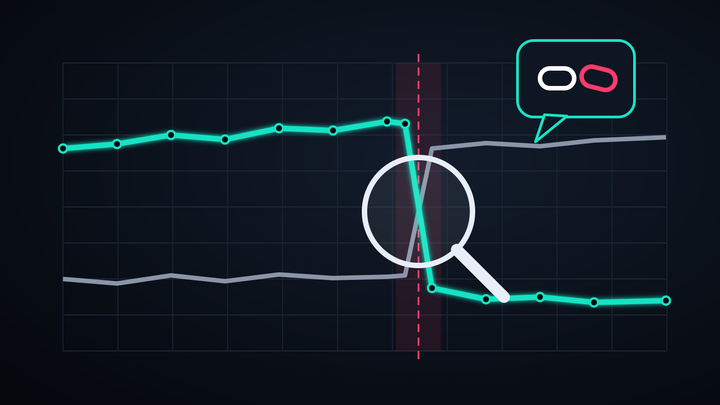
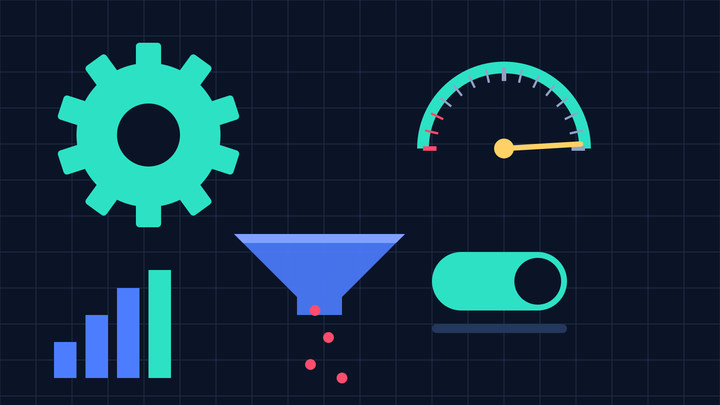
Google Tag Manager in 2026 is no longer a three-step tag wrapper. It now spans six operational domains: tag management, triggers and variables, data layer and APIs, security and compliance, testing and debugging, and automation and analysis. A single consent banner misconfiguration recently cost one UK advertiser 90% of its measured Google Ads conversions, and only about 40% of that lost data was recoverable.
Six domains, not three steps
An infographic that circulated through PPC Land's analyst desk this morning mapped GTM into six functional groups, each with its own components, technical dependencies, and compliance requirements. None of that is new product. It is a description of what actually shipped between mid-2024 and now, and what the average GTM container is responsible for in 2026.
The mental model most marketing teams still carry is from a different era. Install the snippet, add a few page-view triggers, build a couple of click events, done. That setup worked when GTM was a tag wrapper. It does not reflect the platform that now decides whether your consent state survives, whether your conversion signal makes it back to Google Ads, or whether your server-side container is firing twice on every page load.
I think the gap between perception and reality is the single most expensive measurement assumption in marketing right now. The teams paying for it are not the ones who never set GTM up. They are the ones who set it up in 2019, declared it done, and have not opened the container since.
The 90% drop that should have triggered an alert and didn't
The case most often cited in audit calls right now is Mike Teasdale's. Teasdale, founder and planning director at Harvest Digital, documented a client whose Google Ads conversions dropped 90% overnight after the July 2025 Consent Mode V2 enforcement window opened. Nothing in the campaigns changed. No bidding shift, no creative refresh, no budget cut.
The problem was the consent banner itself. Visible. Legally compliant in its design. Users were accepting it. But it was not passing ad_user_data and ad_personalization back to gtag, which meant Google's measurement infrastructure logged consenting visits as no-consent and stripped them from the conversion view. When Teasdale's team rewired the banner to the Google tag layer, they recovered roughly 40% of the missing data. The other 60% was gone permanently.
What gets missed about this case is how invisible the failure mode is. There is no UI alert in Google Ads that says "your consent banner is silently losing data." The account just looks like it is underperforming. From what I have seen, plenty of UK and EEA advertisers are still in this exact state and do not know it, because the deltas blend in with normal seasonal variance.
If you have not already, audit the actual consent payload your banner sends. Open devtools, trigger the banner, accept everything, and check whether ad_user_data and ad_personalization are populated in the gtag config call. Twenty minutes of work, and on most teams' Q2 list it is the most consequential single check available.
The duplicate-events bug that looks like growth on the dashboard
The other recent failure is more technical but just as quiet. In September 2025, Stape's Giovani Ortolani Barbosa documented a service worker communication bug introduced by the March 2025 GTM update that began routing data through service workers for performance reasons. Gtag was sending a suppressSuccessCallback flag that prevented proper acknowledgment, which in turn caused duplicate GA4 hits and inflated event counts on every page where the service worker had loaded.
Barbosa's framing was direct: GA4, Meta, and Google Ads event counts might be artificially inflated, not because campaigns are crushing it, but because of a technical glitch. Server-side GTM containers were the most exposed. Workarounds existed but required either blocking specific service worker files or building a JavaScript routine to remove duplicate iframes via MutationObserver. That is not the kind of fix you roll out cleanly across 50 client containers.
This is the cost of the platform getting more complex without the audit tooling catching up. The duplicates would not trigger a "Needs Attention" badge in the container quality status bar. They show up as a healthy-looking lift in conversions, which is the worst kind of measurement error, because nobody investigates a number that is going up.
June 15 quietly redraws who controls your ad data
The next forced change is on the calendar. Starting June 15, 2026, Google removes Google Signals from its role as a co-controller of advertising data and consolidates that authority under Consent Mode inside Google Ads. After that date, the ad_storage parameter in your Consent Mode setup becomes the sole authority over whether linked Google Ads accounts get advertising cookies and user IDs from your site.
The practical translation, if you have a Google Analytics property linked to Google Ads (which is most digital advertisers): the Google Signals toggle in GA Admin stops doing what it used to do. After June 15 it will only govern whether GA4 data is associated with signed-in user IDs for behavioral reporting. Everything related to remarketing audiences and ad data flow shifts entirely to Consent Mode.
For teams still treating Consent Mode as a checkbox they ticked in 2024, that is a problem. The same banner audit from the previous section becomes mandatory before June 15, not optional. If your ad_storage signal is not reliably granted by users who have actually consented, you will see audience sizes drop and lookalike performance degrade after the cutover. The teams that will not notice this are the same ones that did not notice the 2025 Consent Mode V2 enforcement.
This change rhymes with the Google Ads API v20 sunset on June 10, also five days earlier on the same calendar. Two structural changes inside one week, both rewarding teams who have been auditing their stack and quietly punishing teams who have not.
The first-party tag gateway layer underneath everything
The structural shift the six-domain map does not quite show is that Google has been moving tag delivery infrastructure off Google's servers and onto first-party domains. Tag gateway hit general availability in May 2025, and as of January 2026, Akamai joined Cloudflare and Google Cloud Platform as a third CDN partner with one-click setup.
Tag gateway and server-side GTM are not the same thing. Tag gateway routes measurement requests through your own first-party infrastructure but keeps execution in the browser. Server-side GTM moves execution into a cloud container you operate. Tag gateway is a configuration; server-side GTM is a project. The press releases tend to blur the two, which is part of why teams default to tag gateway and assume they have solved the "first-party measurement" question.
They have not. Server-side GTM still owns data transformation, enrichment, and the kind of governance that compliance teams want. Tag gateway just changes the network path. Worth knowing the difference before you tell your CMO you have migrated to first-party tracking.
And to be fair, none of this removes the consent obligations the March 2025 Verwaltungsgericht Hannover ruling clarified. That decision found GTM cannot operate before explicit user consent under GDPR and TTDSG, because the container itself transmits IP and device data to US servers on page load. Tag gateway routes that traffic through your own domain, which changes who shows up in the request log, but it does not change whether you needed consent before the request was made.
What an honest GTM audit actually looks like in May 2026
Three things to put on this week's calendar, in order of leverage:
One, the banner-to-gtag payload check. Twenty minutes. Open devtools, trigger consent, accept everything, confirm ad_user_data and ad_personalization make it to the Google tag config call. If they do not, you are losing data right now and you will lose more after June 15. The 90% drop pattern depends on this exact failure.
Two, the service worker duplication sample. If you are on server-side GTM, sample your GA4 event counts week-over-week against your platform-side numbers (Meta, Google Ads). Disproportionate lifts on event-heavy pages are the tell. The container quality status bar will not catch this; you have to look at the numbers.
Three, the container ownership question. Pull up the version history. If the most recent published version is more than 90 days old, or the named owner has left the company, or no one on the team can describe what changed in the last quarter, the container is in maintenance debt. The cost of that debt now compounds with every Consent Mode and tag gateway change Google ships.
GTM in 2026 is not a setup task. It is an ongoing measurement function with legal exposure on one side and silent revenue impact on the other. The teams getting this right are the ones who put a recurring quarterly audit on the calendar and treat the container the way they treat their CRM, with named owners, version notes, and a rollback plan. From what I have seen so far, that is roughly the line between accounts that finish 2026 with clean attribution and accounts that learn about a 2025-era misconfiguration sometime in early 2027, when somebody finally checks.
Notice Me Senpai Editorial