
Publicis Now Owns LiveRamp, and the FTC's Neutrality Rules Stop at 'Standalone'
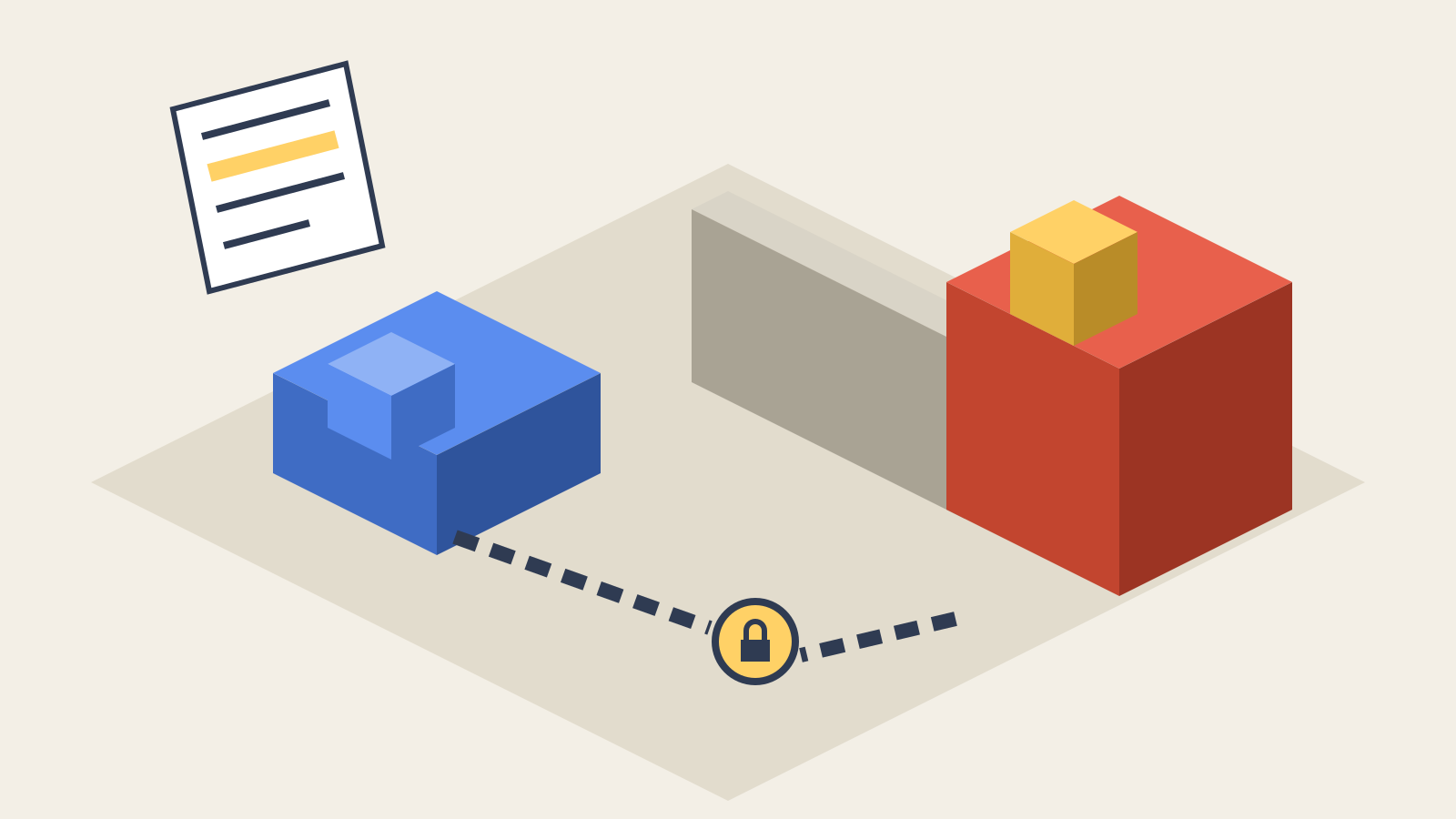
Publicis Groupe closed its $2.2 billion acquisition of LiveRamp on November 2, 2026, under a proposed five-year FTC order requiring commercially neutral operation. That order covers LiveRamp's standalone products and U.S. business, and it lets Publicis choose who gets new integrated products. Anyone using LiveRamp outside Publicis should map which services fall beyond those lines before 2027 renewals.
The closing announcement promises "zero platform lock-in" and talks about "preserving LiveRamp's identity, culture, and neutrality." Arthur Sadoun also told Adweek he isn't worried about competitors leaving and would welcome them "with open arms." Lovely. I went and read the actual Decision and Order instead, since it's the one document here with an auditor attached.
We covered the deal itself back in May, when the neutrality pledge was just a pledge. Six months later it has legal text behind it, and that text is more specific (and more limited) than the press release suggests.
The word carrying this whole order is "standalone"
Paragraph II.D says Publicis can't deny, degrade or delay access to LiveRamp's standalone products and services. Then comes the carve-out: Publicis may develop new products that integrate LiveRamp with its own, and "will be free to choose to which customers it will offer such new integrated products and services." Nearly the same sentence is repeated in the customer contract addendum, so I doubt anyone drafted it by accident.
Now look at what Publicis is selling. LiveRamp's release says clients "can natively enrich their first-party data with RampID and Epsilon's Identity," and calls the package an AI growth engine. Epsilon is the Publicis data unit the FTC names in its analysis of the proposed agreement, where the worry is Publicis undermining Epsilon's competitors. So the headline product looks, to me at least, like it sits on the side of the line where Publicis gets to pick its customers. I could be wrong about how a given feature gets classified, and the order doesn't spell that out.
Think of a landlord who signs a promise that your apartment's plumbing will keep working, while building a new floor upstairs with an elevator only the landlord has keys to. Your plumbing really is fine. You just live in the older part of the building now.
The order protects the product you bought. It says very little about the one you'll want in 2028.
There's a softer version of the same issue in the standalone language. LiveRamp can still change products "in the ordinary course" so long as the changes aren't "for the purpose of advantaging Publicis." Purpose is a hard thing to prove from outside a company. If your favorite integration simply gets less attention next year, good luck showing why.
In fairness, the firewall is stricter than I expected
I went in assuming this would be mostly vibes. It isn't. Paragraph III.A bars Publicis from accessing or using LiveRamp customer data, and says that data can't be transferred, commingled, or used to "develop, train, or improve" Publicis products, which goes straight at the obvious AI concern. Clean room customers keep control of roles, permissions and governance settings, with audit capability on a continuous basis and a year of supporting documentation on request. When you leave, LiveRamp has to destroy your confidential business information and certify that in writing if you ask.
The audits are real too, or at least frequent: every six months for two years after closing, then yearly, run by an outside firm that routinely does SOC-2 work. The FTC's press release leans on those audits, and the order says any customer can get a copy on reasonable request. Hardly anyone will ask, I suspect, which is a little funny given how loudly everyone complained in May.
Two small print items I'd keep an eye on. The firewall has an exception for when a customer "expressly" authorizes Publicis to use its data, so the fight may eventually move to what you sign. And the customer-requested audit is narrower than it sounds: you pay for it, you get one a year, and in the order text it covers data protection, privacy and security obligations to you, rather than every neutrality promise.
Three gaps that land on your desk, not Publicis's
It's a U.S. order. The "LiveRamp Business" is defined as "all U.S. business activities," and the addendum applies to services provided to you in the U.S. If you run UK or EU onboarding through LiveRamp, I'd assume this order gives you nothing directly and go find out what your own contract says. I'm not your lawyer, so have yours confirm that.
It isn't final yet. The deal closed within two weeks of the FTC's 2-0 vote, but the order is still proposed. The Federal Register notice takes comments through November 23, and the Commission can still modify it afterward. The customer letter and contract addendum are due within 60 days of the order being issued, so don't be surprised if nothing has reached you yet.
It expires. The addendum runs five years from closing, so roughly November 2031, and only "so long as you remain a customer." Nothing in there tells you what LiveRamp's neutrality looks like in year six. Probably not much of a 2027 problem, though it does matter if someone is pitching you a long-term identity build.
Rivals already voted, but you probably shouldn't copy them
Omnicom had planned to let its LiveRamp contract run out in Q1 2028, according to PPC Land, which says the deal brought that exit forward (Digiday reported the same in May). It can afford to, since it inherited Acxiom's Real ID through IPG. WPP bought InfoSum in 2025. Omnicom and Stagwell both questioned the neutrality claim publicly back in May, and Scott Howe answered that some critics had a self-interested agenda (which, in fairness, they do).
You don't have an Acxiom in a drawer. The FTC's own analysis says LiveRamp has more integrations than any other data connectivity provider, and that competitors may offer only part of the suite or lack the scale. That's the regulator describing how hard it is to leave. PPC Land puts LiveRamp at 846 direct subscription customers, 133 of them paying over $1 million a year, and I'd bet very few of those can rip it out on a holdco timeline. LiveRamp also has a separate headache after Safari 27 blocked it, which is another reason to have a fallback, though not one to panic over.
Also, you may need less than you're paying for. The IAB's September framework, as PPC Land reported it, found 9 of 14 commerce use cases often work without a clean room at all. Vendors are pitching hard into the gap too. Acxiom and Salesforce claim identity projects that take 18 to 24 months can shrink to weeks, and that's a vendor claim, so discount it accordingly.
An hour of paperwork before 2027 plans lock
If I were running a LiveRamp-dependent stack at a brand or a non-Publicis agency, this is the order I'd do things in. The first step fits in about ten minutes.
- Email your LiveRamp rep three questions. Which of our services count as standalone under the order? Is anything we use moving into an integrated product? When will we get the addendum? Ask for answers in writing, because the first answer decides most of what follows.
- Tag every LiveRamp touchpoint. One spreadsheet, three labels: standalone, integrated, non-U.S. Anything in the last two columns is running without the protection you probably assumed you had. Note who holds the contract, too, since some of these will sit with an agency.
- Read new paperwork for authorization language. Any order form or "AI growth engine" pilot that lets Publicis use your data is the exception to the firewall. Paragraph II.J says pricing, functionality and support on standalone products can't be conditioned on authorizing that sharing, so saying no shouldn't cost you anything.
- Put a calendar note on May 2027. That's about when the first six-month audit period ends. Ask for the copy. If you can't get one, you've learned something useful as well.
- Run a 14-day match test with a second vendor on your largest onboarded segment. This one takes longer than the hour, obviously. My own rule of thumb, and it's only that: within 15 percentage points of RampID's match rate means you have a real walk-away option at renewal. A gap above 30 means you're dependent, so negotiate terms and stop bluffing about leaving.
My prediction, for what it's worth: I'd put it around 70% that by November 2027 Publicis is selling at least one integrated LiveRamp and Epsilon feature that standalone customers can't buy, and that it's entirely within the order when it happens.
I don't think LiveRamp gets visibly worse next quarter. The FTC made that too expensive, and honestly Publicis has every reason to keep the rival money flowing for as long as it will flow. The version I'd plan around is duller than the one rivals were describing in May: nobody breaks a rule, your existing setup keeps working, and the interesting new stuff just keeps showing up somewhere you can't buy it.