
Vibe-Coded SEO Tools Rank in 3 Days. In-House Teams Are 7 Months Backlogged.
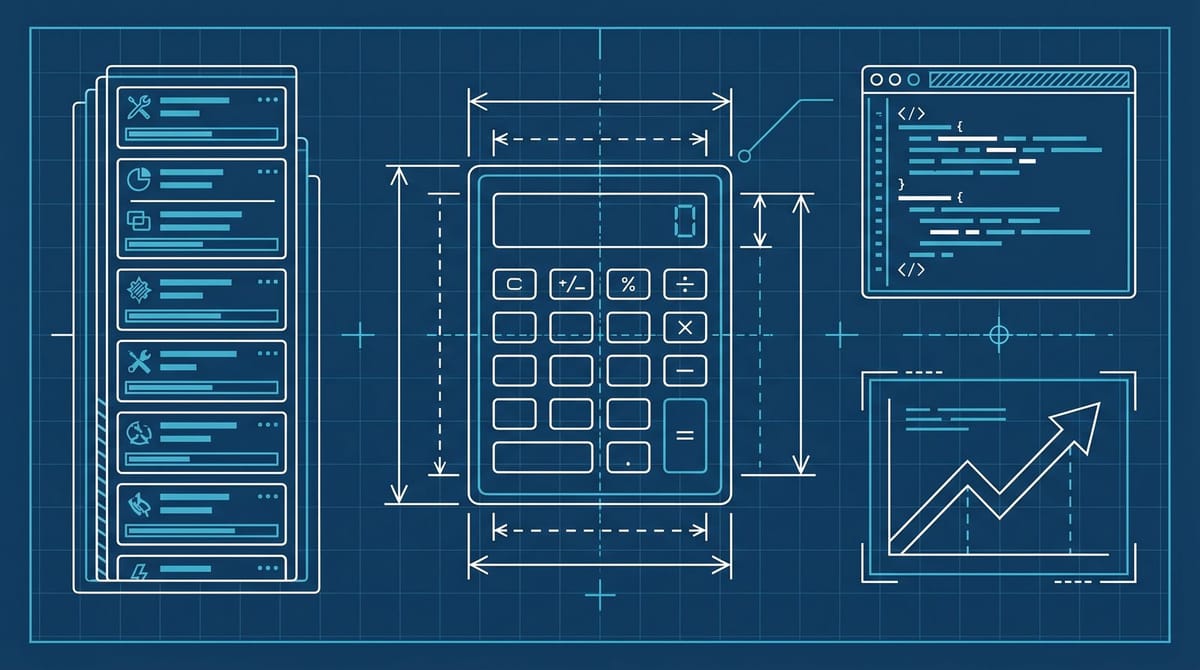
Alex Galinos at Search Engine Land documented a Greek school-eligibility calculator that hit page one within three days of publishing, plus a project of 10 tool pages pulling 5,000 incremental clicks in two months. A Gray Company SEO PM survey found roughly 65% of in-house teams need at least three months to clear their dev backlog. The bottleneck moved from skill to the org chart.
The skill-side of the problem is already solved
Vibe coding is the practice of building software by directing an AI through natural language instead of writing the code by hand. As of 2026, Second Talent's industry roundup pegs 92% of US developers using AI coding tools daily and 41% of all global code as AI-generated. The capability is commoditized at this point.
Ahrefs's MCP server now pipes live keyword, backlink, and competitor data directly into Claude or ChatGPT, which means an SEO who can write a clear spec can also shape, test, and ship the tool that ranks for the data they just pulled. The technical work of building a calculator, a comparison table, or a WebApplication-schema page is a focused weekend of work now. Maybe two weekends if you're learning the stack from scratch. Either way, the hard part isn't the build.
The dev queue is doing more work than the algorithm
Here's where the asymmetry shows up. The Gray Company surveyed in-house SEO PMs about their backlogs and the numbers are blunt: roughly 65% estimated three or more months to clear the queue without adding a single new ticket. Of the 16 respondents reporting 7-plus-month backlogs, 13 said half or fewer of their tickets were even groomed. Tickets sit. They get re-prioritized into next quarter. Then the quarter after that.
That's the cost an in-house SEO is paying that a solo operator doesn't see at all. When you control the editor, the publish button, and the deploy pipeline, the backlog becomes whatever you decide to work on next. Three months turns into three afternoons. And honestly, the "calculator-style" SEO play used to be hard to even propose internally, because everyone in the room knew it wasn't going to ship. Nobody pitches the idea that never makes it through engineering review.
That's also why a lot of the most interesting interactive SEO work in 2026 is coming from operators who don't have an engineering team to argue with.
The traffic math makes this asymmetric
Calculator and tool pages were always good SEO bets. They just used to be expensive bets. Ahrefs's roundup of calculator-driven traffic reads like a small-list case study: NerdWallet's compound interest calculator pulls 289,000 monthly organic visits and accounts for 33.7% of its calculator subfolder traffic. Mayo Clinic's calorie calculator does 456,000 monthly visits with an estimated traffic value of $106,000. Bankrate's mortgage calculator is sitting on roughly $1 million in monthly traffic value all by itself.
These aren't edge cases. They're the publicly-quoted benchmarks for what a single, useful, interactive page can do when it answers a precise transactional query better than the surrounding text-heavy results. Galinos's own lower-end example, two calculators that added 10,000 monthly organic sessions, looks modest next to those. But 10,000 sessions a month is a year of content-mill blog posts replaced by one weekend of vibe coding. That's the floor of the opportunity, not the ceiling.
Why text-first SEO programs keep losing pages to this
A lot of in-house SEO strategy is still calibrated around publishing more long-form articles, hitting word-count targets, and pitching internal linking improvements. That framework still works, but it's also the framework most exposed to AI Overviews and zero-click summaries. An interactive calculator forces a click because the user has to enter something. A comparison table that filters off live inputs isn't a passage Google can extract verbatim into an AI summary. From what I've seen, the teams adding tool pages on top of their content programs are picking up the SERP real estate that long-form is starting to leak to summarization features like the ones we covered in the TurboQuant rollout.
This isn't an argument to stop writing articles. It's more that text and interactive tools aren't competing for the same shelf in the SERP anymore, and most in-house programs are still 95% on the text shelf.
The three tool builds most SEOs can ship without a ticket
If you've never vibe-coded a page before, here's roughly the easiest on-ramp:
- A calculator or estimator for your primary commercial query. ROI, pricing, savings, eligibility, whatever the prospect actually wants to compute before they convert. ALM Corp benchmarks a working SEO calculator at six to ten hours of focused work in a vibe-coding tool. Mark it up with WebApplication and HowTo schema. Galinos's Greek eligibility tool ranked page one in three days using exactly this pattern.
- An interactive comparison table for "X vs Y" queries. Pull from your own data or from a public API. The Bankrate-style pages win these queries partly because they let users sort and filter, instead of just reading a paragraph that says which one is cheaper.
- A persona-tab component on a high-traffic existing page. Galinos's Majorca airport-transfer example uses tabs to segment "family traveler" from "solo traveler" and surface different recommendations from the same URL. That's a UX layer on top of an existing page rather than a brand-new build, and it still seems to move engagement metrics meaningfully.
None of these need a dev ticket. None of them need approval from a CMS roadmap. They need an afternoon, a Claude or Cursor window, and a willingness to ship something rougher than your engineering team would have approved on the first pass.
Where the org chart starts to lose
I don't think vibe coding kills in-house SEO. It just reshapes what "good" looks like inside one. The teams that figure out how to give their SEOs a sandbox, a publish path, and a hosted MCP setup will probably be fine. The teams that keep routing every interactive idea through a ticket, a sprint, and a stakeholder review are the ones already losing pages to solo operators who shipped on a Friday night and posted the result on Monday.
The honest read is that this doesn't make anyone a better SEO. It removes one specific reason your better ideas aren't shipping. Whether that turns into a real moat or a footnote in next year's recap probably depends on who in your org is reading this, and what they decide to greenlight before the next planning cycle eats the idea.
Notice Me Senpai Editorial