YouTube Muted Inactive Subscribers and Made Sub Counts a Sponsorship Liability
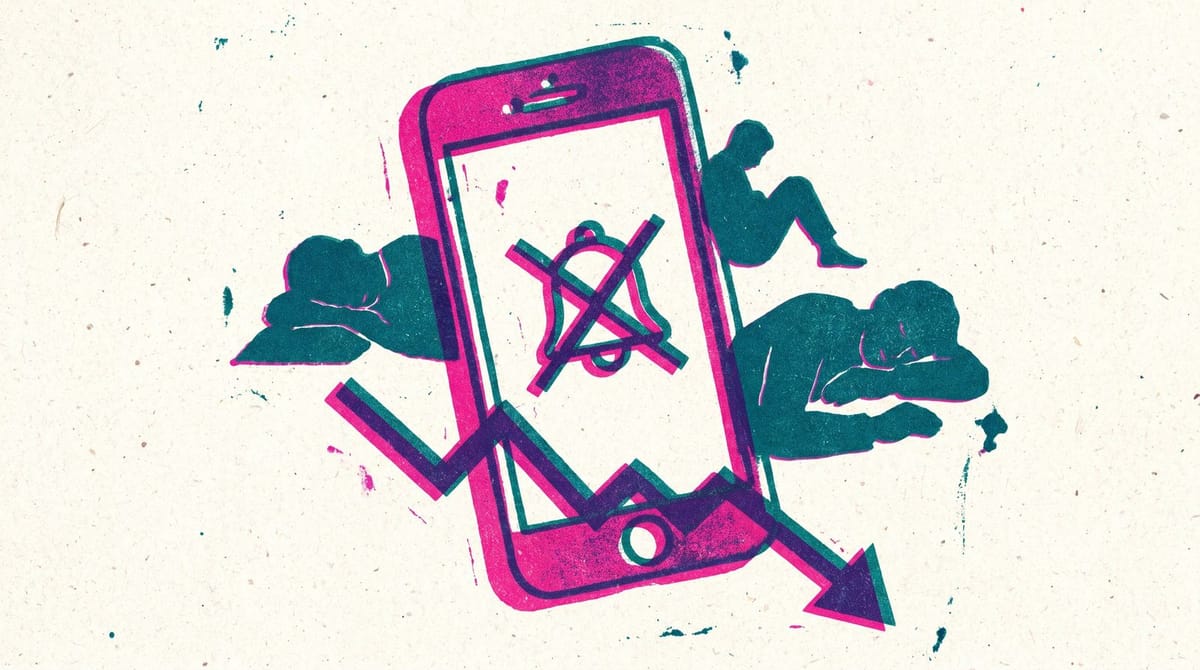
YouTube began permanently muting mobile push notifications to inactive "All Notifications" subscribers on April 21, 2026, with the change rolling out globally over the following weeks. A subscriber is now classified inactive when they have not watched a channel for roughly one month and have ignored every recent push. The bell-pings-sent metric in YouTube Studio drops accordingly, while views do not.
That last sentence is the one creator deals desks should care about. YouTube did not change anything about who counts as a subscriber. It changed who counts as reachable. For a slice of the creator economy that still prices sponsorships off subscriber counts, that is the same thing.
Three conditions, one quiet redefinition
According to the PPC Land breakdown of the rollout and the Engadget writeup, three conditions have to apply at once for a subscriber to lose mobile bell pings. They have not watched any content from the channel in roughly the past month, including Shorts. They have received recent push notifications from that channel and ignored every one. And they selected the "All Notifications" bell setting, not Personalized or None.
Notifications resume automatically the moment the subscriber watches a video, a Short, or even lands on a Shorts feed recommendation from the channel. There is no manual reactivation. Channels that upload infrequently are exempt for the obvious reason that the cooldown rule cannot fire if there are no recent notifications to ignore.
Social Media Today's coverage included YouTube's own framing: "By making push notifications more relevant, we found that fewer people turned off notifications for individual channels and fewer people turned off notifications entirely." Translation: the goal was to stop you from disabling YouTube notifications at the OS level entirely, not to optimize creators' reach. The platform protected itself first.
The metric most sponsorship decks anchor to just got smaller
Here is the part nobody talks about. Subscriber counts have been a defensible anchor in influencer pricing for years, even though every creator economy guide has spent the same years explaining that average views are the better unit. According to Creators Agency's 2026 rate guide, YouTube sponsorship CPMs typically land between $15 and $30, with finance and B2B niches in InfluencerMarketingHub's guide commanding $40 to $80 CPMs. CPM is the math; the subscriber number is the negotiating prop.
What just changed is the prop's credibility. If a 500K-subscriber channel had 180K subscribers who never watched and never engaged, those subscribers were already vanity reach. They are now formally vanity reach by YouTube's own classification. Their bell pings are off. They will only see the upload if they happen to scroll past it on their subscription feed, which is the discovery surface that gets the least attention from casual viewers.
For brands negotiating tier deals on sub counts, this is a pricing problem that arrives in two waves. Wave one is the next quarterly pitch, when creators showing flat or growing sub counts will have visibly lower bell-ping reach in YouTube Studio. Wave two is the renewals six months out, when first-party performance data shows views per upload moving slightly downward on channels with lazy subscriber bases. From what I have seen on enterprise creator-deal renewals, even a 2-3% delta in average views opens the door to repricing on the next contract.
Why YouTube did this for itself, not for you
The rationale YouTube gave was clean: too many people were turning off YouTube notifications entirely because the bell pings felt spammy. That is a YouTube DAU problem, not a creator problem. App-level notification opt-outs hurt every channel, not just the one that triggered the disable.
I think most creators will read this as a neutral "make notifications more relevant" change and accept it. That is the wrong read. The internal incentive is fine, the external pressure is real. YouTube has been steadily separating the metrics it serves to creators from the metrics it serves to advertisers. The shift toward auction-density pricing for creator ads was the same pattern. YouTube is quietly making it harder to anchor brand deals to creator-side numbers and easier to anchor them to platform-side numbers.
A small piece of this that most coverage missed: the change makes Studio's "Bell notifications sent" stat read like a creator's punishment. A drop in that line will look like declining reach to anyone glancing at the dashboard. The underlying view counts will not move. The bell-ping count is just catching up to a subscriber-quality recalculation that was probably already true, just unlogged. Which means the most useful thing creators can do this week is screen-record their current Studio numbers before the rollout finishes, so they can show before-and-after to anyone who tries to claw back rates.
How to renegotiate before brands do it for you
If you sell sponsorships off subscriber counts, get ahead of this. Three concrete moves, ranked by how much friction they buy you in the next deal cycle.
Move one. Build a verified-active-subscribers line for every rate card. Use trailing 60-day unique viewer counts from YouTube Analytics, not lifetime subs. This number is messier and lower, and that is the point. Brands respect the number that did not flatter you.
Move two. Stop quoting CPM ranges off subs. Quote off the trailing 12-week average views for the upload type that will actually run the integration: long-form, Short, or livestream. The average is more honest, and it lines up with the pricing math sponsor-side tracking guides already use.
Move three. Add a clause to existing contracts that benchmarks performance against the channel average for the integration period, not against absolute view counts. This protects you when YouTube quietly shifts a downstream metric and you find out three months later in a renewal call.
For brands buying creator deals, the playbook flips. Audit your active sponsorships and ask the agencies running them to deliver active-subscriber breakdowns before the next invoice. If they cannot, that is a signal about who is doing real reporting and who is still pricing off lifetime subs.
The funny part is that none of this is new advice. The "use views, not subs" rule has been in every creator-economy guide since 2019. What changed on April 21 is that YouTube made the lifetime sub count a number you can demonstrably argue down. Brands that ignore the opening will be the ones still paying 2024 rates on 2026 reach.
Notice Me Senpai Editorial