ChatGPT Is the New Media Kit, and Creators Figured It Out First
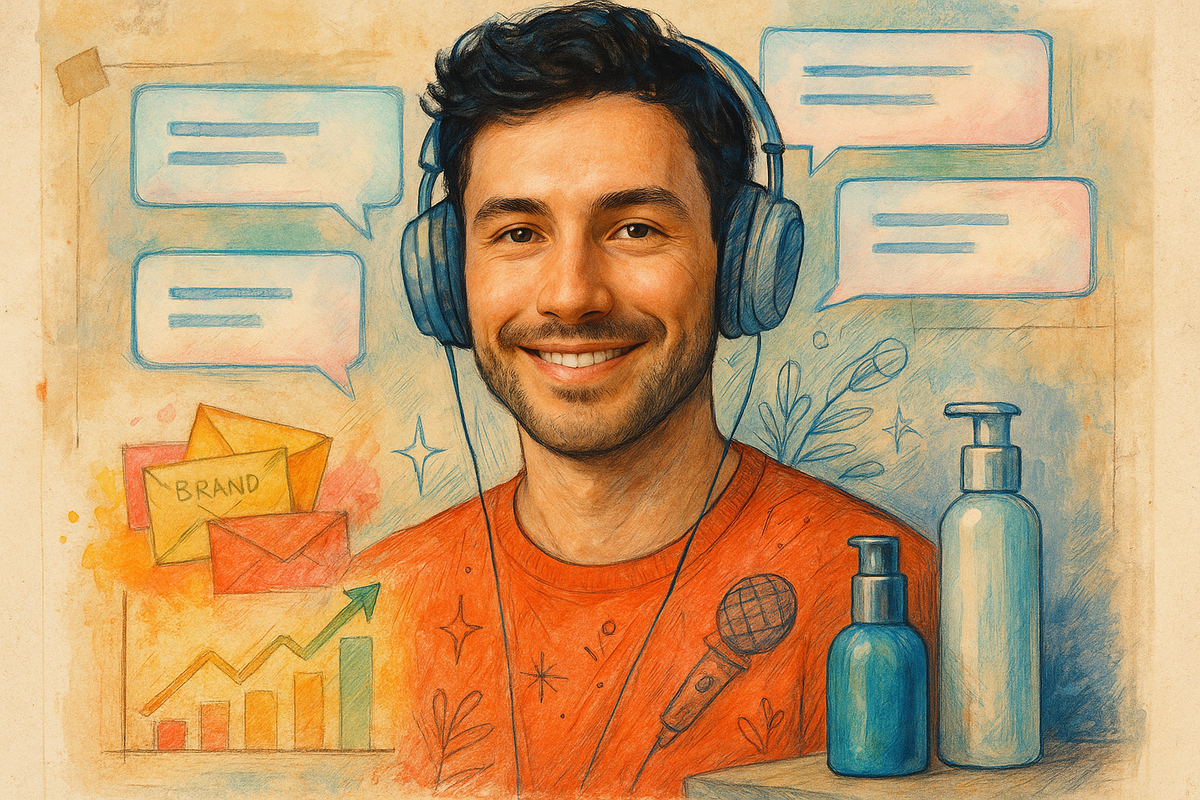
Fashion creator Andrew Polo gave one interview to HealthCentral about managing eczema. ChatGPT and Claude now recommend him for eczema-related queries, and his inbound brand inquiries jumped 50%, with Cetaphil and O'Keeffe's among the brands reaching out. His TikTok following grew just 1.5% over the same stretch. The visibility that landed the deals lived inside AI assistants, not on his profiles.
Adweek reported the tactic this week, and the mechanics deserve a slow read, because this is the first version of influencer marketing where the pitch happens without the creator in the room. Polo didn't buy ads. He didn't chase a trending format. He gave an expert interview to a health publisher, the kind of coverage most creators treat as an ego line for their press page, and the language models ingested it as an authority signal.
That distinction matters more than the anecdote. Media kits are self-reported. Follower counts are self-selected audiences. A third-party health site quoting you on eczema is somebody else vouching for you, and from what I've seen of how these models weight sources, external corroboration seems to count for far more than anything you publish about yourself. Creators in the Adweek piece describe it as learning "what AI trusts," and the working list looks like this: named press coverage, long-form YouTube explainers, sustained participation in community threads, verified reviews. Slow, unglamorous assets. Exactly the ones most creator programs stopped funding when short-form took over.
The follower count moved 1.5%. The inbound pipeline moved 50%.
If you vet creators by audience size, this person was invisible to you. Four skincare brands found him anyway, because a chatbot vouched for him before any human did.
The media kit was a resume. This works like a reference check.
A media kit is a resume: the candidate wrote it, the candidate chose the numbers, and everyone inflates. An AI recommendation behaves more like a reference check the brand runs without telling anyone. The model pulls from press, long-form video, forum threads, and review sites, then synthesizes an answer no single party controls. Brands trust it for roughly the same reason hiring managers trust references over resumes. It wasn't written to persuade them.
The scale behind that trust is what changed this year. ChatGPT crossed 900 million weekly active users in February, per TechCrunch. And OpenAI is pushing ChatGPT into shopping outright, building an AI shopping assistant with Shopify and PayPal checkout partnerships so users can buy without ever leaving the conversation. Recommendations are now a product priority over there, not a side effect. When the answer engine gets better at recommending things, the people it recommends start getting paid. Creator visibility rides the same rails as product visibility here, and I don't think that's widely understood yet.
Brands were already buying this way
The demand side has been automating for months. Digiday reported in March that Dentsu runs an AI agent system called Creator & Trends Studio that suggests creators by subject matter and trend participation. Later matches campaign briefs to creators algorithmically and models expected performance from historic engagement data. Creo says its discovery agent lets teams work with 30 to 40% more influencers per campaign. Walmart is deploying hundreds of thousands of creators and explicitly not picking them by follower count.
Later's CEO Scott Sutton put it plainly in that piece: "Human plus AI is the best outcome. But these are large-scale data problems where AI is amazingly well suited." One Elizabeth Arden campaign cast this way posted a 14.3% lift in unaided ad recall and a 41% rise in sales conversions, at least as reported. I'd treat any single-campaign number with caution, but the direction is consistent across every agency Digiday quoted.
So both sides of the market now route through models. Creators seed the sources the models read. Brands query the models, or tools built on them, to draft shortlists. The humans meet at the end, after the machines have already agreed on the match. On paper, that sounds efficient. And sometimes it is.
If a creator can seed it, your shortlist can be gamed
One uncomfortable second-order effect. Polo's play was honest: he actually has eczema, he built years of content around it, and the press coverage was real. The next thousand creators who read the Adweek piece will not all be so scrupulous. Manufactured authority is cheap. Pay-to-play interviews, guest-post farms, quote-harvesting services. Every one of those becomes a potential trust signal, and the models don't publish their vetting criteria, so nobody outside OpenAI or Anthropic can tell you exactly how much a planted interview counts.
I think most brand teams will get burned by this once before they build a habit around it. The habit is cheap and takes under ten minutes. Before your next creator shortlist goes to contract, write five queries a real customer would ask in your category ("best moisturizer for eczema-prone skin, who should I follow for advice"). Run them in fresh sessions, memory off, in both ChatGPT and Claude. A creator who surfaces in three or more of the five, across both models, has durable AI visibility. One appearance in one model is noise: possibly seeded, possibly luck. And if a creator's pitch deck claims AI visibility, run the queries yourself instead of accepting the screenshot. Screenshots are free to make and impossible to date.
While you're in there, log which of your current roster shows up at all. From what I've seen, the overlap between "creators we pay" and "creators the models recommend" is smaller than most teams assume. Honestly, that gap is the most useful output of the whole exercise, because the models are telling you who your customers hear about when you're not in the room.
The same play works in reverse, and almost nobody runs it
Everything Polo did is available to a brand. Get your practitioners, founder, or in-house specialists interviewed by third-party publications. Put long-form explainers on YouTube under a named human, not a logo. We covered in June how AI search engines cite sub-1,000-view YouTube videos over official brand pages, and it's the same mechanism from the other side: the models seem to reward specific, attributable expertise over polished corporate pages.
This part surprised me when I first started tracking it, but the bar is low precisely because so few brands bother. A creator got four skincare brands inbound off one health-site interview. Your head of lifecycle marketing giving one detailed, opinionated interview to a trade publication is the same lottery ticket, and it costs an afternoon. Not every ticket pays out. The price is still an afternoon.
A pitch that happens while you're asleep
My prediction: by mid-2027, a quarter of inbound creator pitch decks will carry an "AI visibility" section, and most of those claims will be unverifiable without running the queries yourself. The verification habit is the durable skill here, more than any single tactic in the Adweek piece.
Anyway, the detail I keep coming back to is that Polo's follower count barely moved while his business changed. We've spent a decade pricing creators by audience size, and the models simply don't care about audience size. It seems likely the market stops caring too, though probably slower than the AI crowd expects. I wouldn't rebuild a whole creator program around this yet. I would run the five queries this week.
Notice Me Senpai Editorial