Why McDonald's Walked Away From FIFA After Its Biggest World Cup Ever
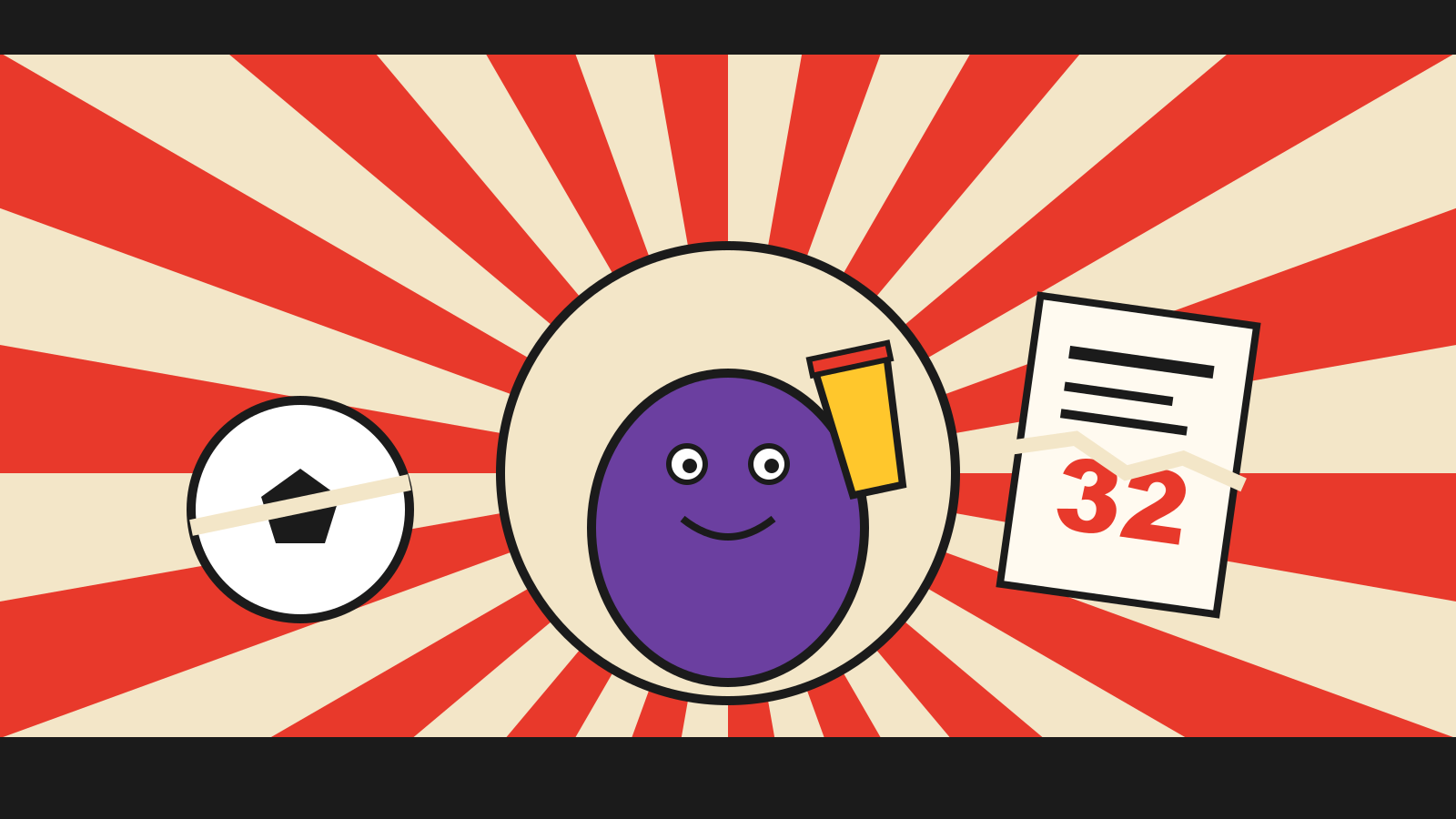
McDonald's is ending its FIFA World Cup sponsorship after 32 years, Adweek reported on October 23, 2026, as part of a shift toward its own intellectual property. The exit follows its biggest-ever World Cup campaign, which ran in more than 110 countries and which management said underperformed expectations. For any brand renewing a mega-property, the useful question is whether the rights fee bought anything your own assets couldn't.
The timing is what makes this interesting. Brands usually walk away from a sponsorship after a bad tournament, a scandal, or a budget cut. McDonald's is walking away right after a home-continent World Cup in the US, Canada and Mexico, the one that was supposed to be the biggest marketing moment of its year. The company says the decision has nothing to do with the recent headlines about FIFA president Gianni Infantino and the now-abandoned plan to sell a stake in future World Cup profits to private equity. I'm inclined to believe that, mostly because the earnings call gave them a better reason.
The CFO already told you why, back in August
On the Q2 2026 earnings call on August 4, CFO Ian Borden said the June World Cup campaign "provided a lift to the business and generated excellent system excitement," and then, in the same breath, that "the campaign underperformed versus our expectations." Food Business News has the fuller picture: US comparable sales rose just 0.8% in the quarter, down from 2.5% a year earlier, and guest counts were negative. Borden said value menu changes and execution problems accounted for about two-thirds of the traffic shortfall. Marketing Dive's read of the same call puts most of the remaining third on the FIFA campaign.
So the official spin was "excellent system excitement." The reality is that the company's largest marketing push of the year got named on an earnings call as part of the reason fewer people came through the door. Those two sentences can both be true. Excitement inside the franchise system is real, it just doesn't show up in transactions.
CEO Chris Kempczinski added a detail I think most of the coverage will skip. He said the FIFA launch landed shortly after the KPop Demon Hunters promotion and the McValue changes, and that restaurant crews were "overwhelmed by too many deployments in the quarter." Read that again as a marketer. The problem wasn't purely the sponsorship. It was a calendar with three big moments stacked on top of each other, and the stores couldn't execute all of them.
Coca-Cola had the same tournament and a completely different quarter
Before anyone writes the "sponsorships are dead" take: they aren't, or at least the numbers from this World Cup don't say so. Marketing Dive's roundup of the tournament's sponsors shows Coca-Cola's trademark volume grew 5% in Q2, its strongest growth in 17 years if you exclude the COVID rebound. Adidas posted 14% currency-neutral revenue growth. Unilever activated 35 brands in more than 120 markets with over 50,000 creators. Michelob Ultra grew revenue 21% outside its home market.
Same tournament, same rights tier, very different outcomes. Personally, I don't think the gap is about creative quality. It's about fit between what the sponsorship does well (mass reach, a reason to buy a branded product during a specific window, retail displays) and the problem the business actually had. Coca-Cola sells a thing you grab while watching. Adidas sells the ball and the shirts. McDonald's had a traffic problem driven by price-sensitive customers, and a global football tournament seems like a pretty expensive way to fix a value perception issue in Ohio.
That's the analogy I keep landing on: renting a mega-property is like renting a stadium for a party. Great if what you need is a big room. Not much help if the real issue is that people think your drinks are overpriced.
The Grimace tell
This is the part that, honestly, made the exit feel almost inevitable in hindsight. According to Advertising Week, McDonald's put Grimace on its set of nine collectible FIFA World Cup 26 Meal cups as the only non-soccer figure. The brand's World Cup push, which it paid FIFA for, leaned on a purple character McDonald's has owned for over 50 years.
When your sponsorship creative needs your own mascot to carry it, you've kind of answered the renewal question already.
Owned IP compounds. Every Grimace moment makes the next one cheaper, because the recognition belongs to McDonald's and doesn't reset every four years when the contract does. Rented IP works the other way: you pay again each cycle for associations that sit in someone else's brand book. And the renewal price tends to go up, not down, after a good tournament. And to be fair, this isn't McDonald's first time making this call. It ended its Olympics deal in 2017, three years early, citing a focus on its core business. Nine years later it's the same logic applied to football.
It isn't leaving sports entirely, either. Adweek notes the company will keep the McDonald's All-American Games and its naming deal with Ligue 1 McDonald's in France. Both are properties where McDonald's name is the property, which sort of proves the point.
How to price your own sponsorship before the renewal call
Most marketing teams aren't deciding on a FIFA deal. Plenty of them are sitting on a stadium naming deal, a league partnership, a creator ambassador contract or an event title sponsorship that renews in the next 12 months. Here's the test I'd run, roughly in this order:
1. Run a geo holdout on the activation, not the logo. Pick matched markets, run the sponsorship activation in half, and leave the other half on your normal plan. We wrote up how to run a geo holdout for close to $0, and the same method works here. If the holdout markets keep pace with the activated markets on transactions (not awareness, not sentiment), the rights fee is mostly buying a feeling.
2. Calculate rights fee per incremental transaction. Take the total rights fee plus activation cost, divide by the incremental transactions from step 1, and compare it against your blended paid media cost per acquisition. My rough benchmark: if the sponsorship comes in at more than 2x your paid CPA and you can't point to a long-term effect, it's a hard renewal to defend. Long-term effects are real, by the way. Pinterest found 36% of ad impact lands after week eight, so measure for at least 12 weeks before you call it.
3. Count how often your owned assets did the heavy lifting. Go through the sponsorship creative and tally which spots led with the property's marks and which led with your mascot, product, or distinctive assets. If your own stuff fronted more than half of it, you're paying for a co-star you don't need.
4. Check operational load. Kempczinski's "too many deployments" line is the most transferable lesson here. If your sponsorship window overlaps two other launches, the sponsorship will probably take the blame for an execution problem, fairly or not.
Where the freed-up money probably goes
McDonald's hasn't disclosed the value of the FIFA deal (the 2023 renewal announcement didn't include one either), so anyone quoting a savings number is guessing. My guess, and it's a guess, is that most of it gets moved toward McDonaldland characters, Monopoly-style promotions, and fan-driven moments the company can run on its own calendar, at its own pace, without stacking three launches into one quarter.
Prediction with some stakes: I'd put the odds around 60% that at least one more top-tier FIFA or Olympic partner in a consumer category declines to renew before the 2030 World Cup cycle, citing some version of "investing in our own brand platforms." McDonald's just made that sentence respectable to say on an earnings call.
I don't think the lesson is that sponsorships stopped working. Coca-Cola's quarter says otherwise. It's more that the big rights deals seem to work best for brands whose product is already part of watching the thing, and the rest of us should probably test that before we sign the next one.