Meta Auto-Enrolled REI Into AI Ads and Shipped a Two-Handlebar Bike
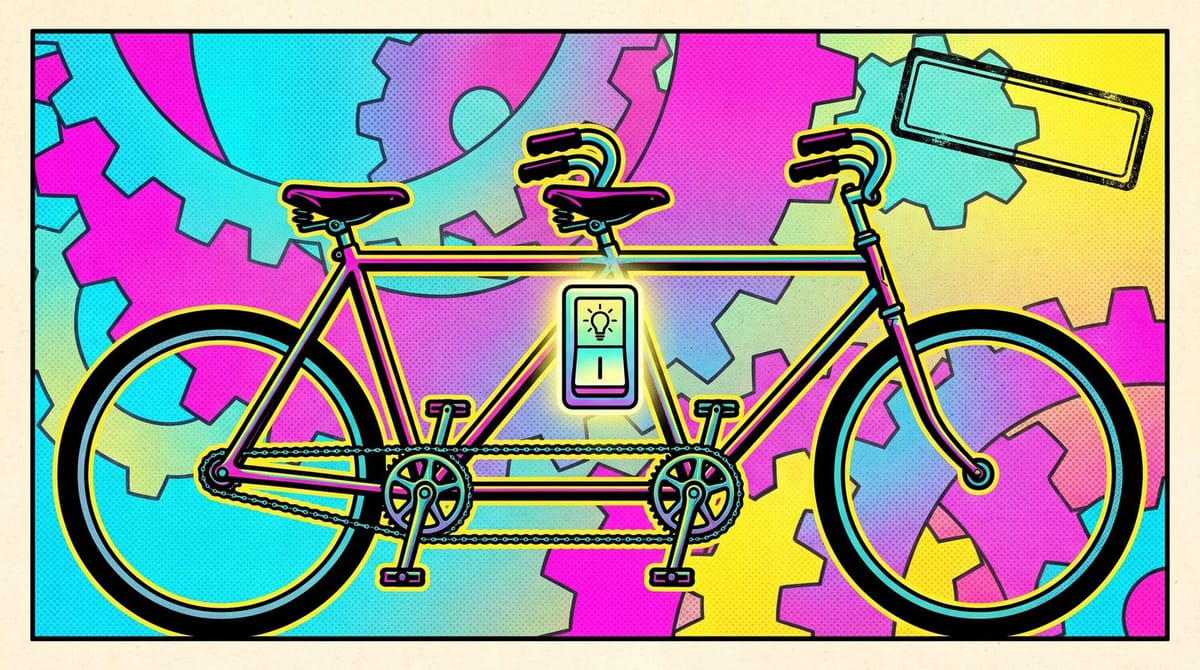
REI ran a Meta ad for about a week in June 2026 showing a Van Rysel bike with two sets of handlebars, a doubled chain, and melted frame lettering. REI says Meta auto-enrolled it into an AI personalization tool that altered a vendor's product photo without approval. Since February 2026, those Advantage+ creative enhancements ship on by default for new Sales, Leads, and App Promotion campaigns.
The funny part is the bike. The actual problem is the toggle.
Everyone screenshotted the handlebars growing out of the seat and moved on. Fair. It is a genuinely strange image. But the screenshot is not the lesson for anyone running paid social. The lesson is that a brand built almost entirely on outdoor authenticity shipped a mangled product photo to its own audience and only found out because Reddit told them. The creative was changed after upload, by a system REI did not knowingly switch on.
If you run Meta ads, that should land harder than the meme. The same default that deep-fried a gravel bike is sitting in your account right now, applied to your creative, unless someone on your team has gone in and turned it off ad set by ad set. Most teams have not. I would bet money the number is higher than anyone wants to admit, because the toggle defaults to on and nobody audits a setting they did not know existed.
What actually happened
The ad featured a Van Rysel road bike and ran for roughly a week before REI pulled it on June 22. The image had handlebars protruding from the seatpost, more than one chain on a single drivetrain, blurry text where the frame branding should be, and a rider whose face looked assembled from spare parts. The cycling press noticed fast. Singletracks ran a piece on what Meta's AI apparently thinks a gravel bike looks like.
REI's statement put the blame on Meta directly. The company said Meta "auto-enrolled us in an AI personalization tool that produced an inaccurate and inappropriate alteration of a vendor-provided image in some of our ads," and that it had since unenrolled. Shopifreaks has the fuller timeline. The detail that matters: this was a vendor's product photo. REI did not generate the image with AI. Meta modified an existing asset in flight.
The backlash hit a nerve REI specifically cannot ignore. A top Reddit thread framed it as "so much for caring about the environment," and the brand's whole identity is built on the opposite of synthetic, mass-produced sludge. That is the real cost of an auto-enrollment default. It does not care whether the creative it generates contradicts everything your brand spent decades building. It optimizes for predicted engagement, full stop. A discount retailer might shrug at a weird image. For a co-op that sells authenticity, AI slop in the feed is a brand contradiction, not just an ugly ad.
Why the toggle is on in the first place
Meta's framing is that creative enhancements make your ads perform better by adapting them to each placement and viewer. Color shifts, image expansion to fit a vertical frame, text variations, sometimes fuller generative edits. On paper that sounds like an upgrade. And sometimes it is. A safe crop or a brightness bump rarely hurts anyone.
The problem is bundling. The same suite that does harmless touch-ups also includes the generative image edits that turned a bike into modern art, and the defaults switched in the platform's favor a while ago. PPC Land noted that since early 2026, new Sales, Leads, and App Promotion campaigns launch with every enhancement turned on, so the default behavior is now modify unless told otherwise. That is a meaningful inversion from a few years back, when most of this was opt-in.
There is also a performance argument worth staying skeptical about. PPC Land cited an incrementality study that found Advantage+ drove only about 17% of the conversions Meta's own reporting credited to it. I would not treat one study as gospel, and incrementality results swing a lot by account. But it is a useful reminder that "the AI improves results" and "the dashboard says the AI improved results" are not the same claim. A system grading its own homework tends to give itself good marks.
The 10-minute audit I'd run today
Here is the specific thing to do before your next bike moment. Open Ads Manager, go to an existing ad, and look at the Creative section for an Optimize Media or creative enhancements panel. Each enhancement is a separate toggle. Turn off the generative ones, things like image generation, image expansion, background generation, and text variations, and leave the genuinely cosmetic ones if you want, like minor brightness or a standard crop. The line I draw is simple. If a toggle can change what the product looks like or what the copy says, it goes off. If it only changes framing, I am usually fine leaving it.
Then set the default so you are not doing this per ad forever. At the account level, Business Settings has an advertising and creative defaults area where you can stop new ad sets from inheriting the full suite. For catalog and shopping ads, the auto-enhancement controls live in catalog settings, which is a separate switch most people forget. Meta documents the off path in its own help center, though the menu wording shifts every few months, so hunt for the toggle, not the exact label.
Benchmark to hit: zero generative enhancements live on any ad running a vendor or licensed product image. Those are the assets you have the least right to alter and the most to lose if you do. Run the same audit on any agency or freelancer accounts you manage, because the default applies there too, and they have probably not checked either.
The brand-safety gap nobody is pricing in
The piece that genuinely surprises me is how little control exists once you do want the help. There is no documented way to lock a single visual element and tell Meta to expand the background but never touch the product. There is no approval step before a generative edit goes live. There is no notification that an asset was changed at all. So you are choosing between two blunt states: full automation with no veto, or everything off. For a brand running licensed third-party imagery, like a retailer selling other companies' products, off is the only defensible setting right now.
This rhymes with a pattern we wrote about recently, where AI systems decide how your brand shows up without asking you first. Search, social, ads: the common thread is that the platform's model now sits between your asset and your audience, and the default is for it to act. The brands that stay clean are the ones treating every one of those default-on switches as guilty until audited.
Audit the setting, not the apology
REI will be fine. A weird bike for a week is survivable, and honestly the story probably got them more reach than the ad ever would have. The companies that should be nervous are the ones assuming this cannot happen to them because they would never approve an image like that. The whole point is that nobody approved it. The system did. If you have not opened that panel and looked, you do not actually know what your account is shipping right now. So go look. It takes less time than reading the apology you would otherwise have to write later.
Notice Me Senpai Editorial