Amazon's Alexa Now Shops by Text, and Your Ads Ride Along Free (for Now)
Amazon started letting invited U.S. shoppers text its Alexa for Shopping agent on November 6, 2026, to search, compare, and buy products, with Sponsored Products ads showing up in the replies. Amazon is not charging advertisers for those placements yet, and each reply shows only a handful of products. For now, listing quality decides which brands get into the thread far more than bids do.
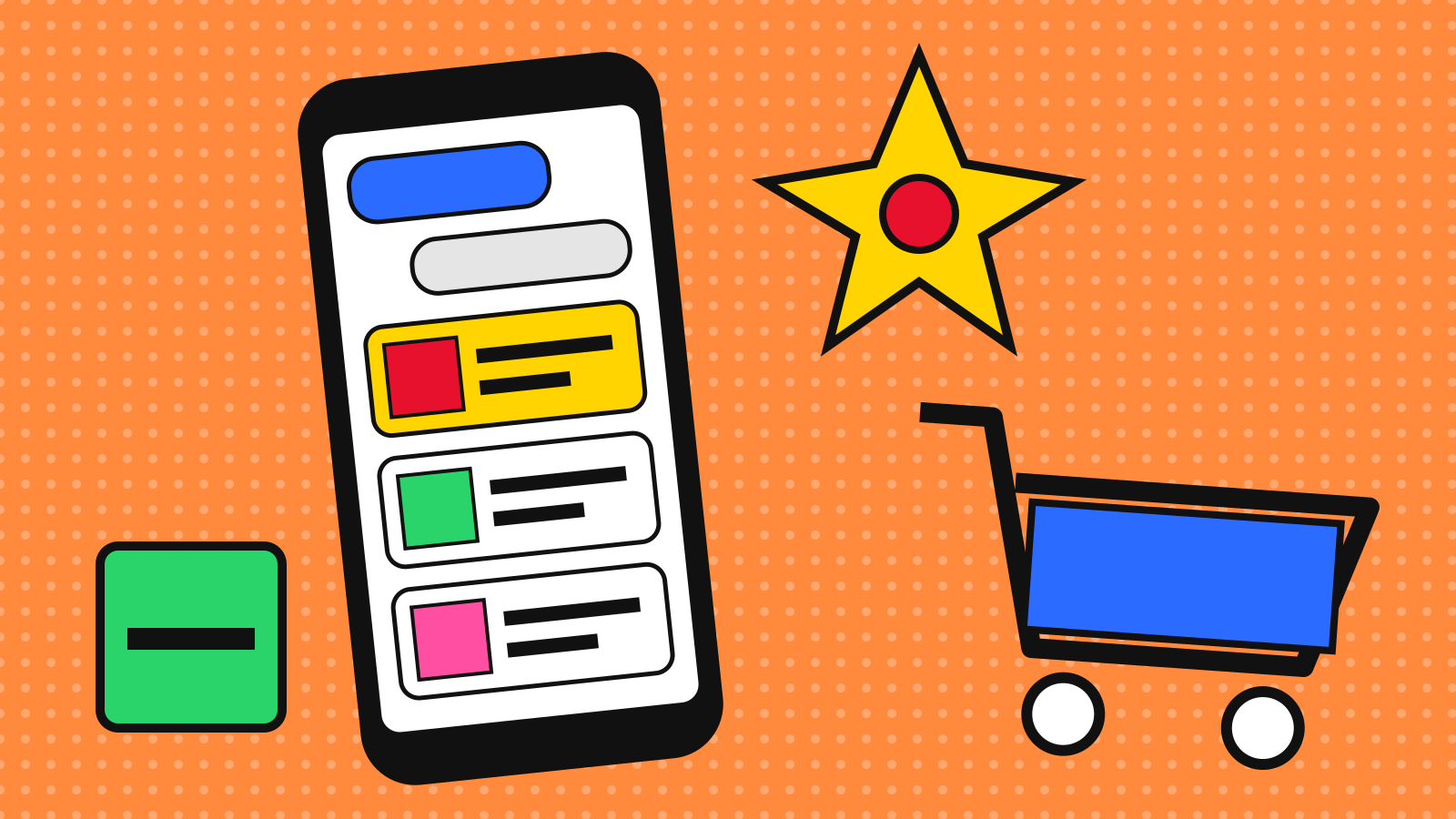
The feature itself is simple. According to Digiday's report on the launch, shoppers link a phone number, accept the terms, and get a new contact called "Alexa Shopping." They text it the way they would text a friend who works retail. It searches, texts back a few options, adds the pick to the cart, and checks out when told to. There is also an auto-buy setting that purchases an item once it hits a target price.
TechCrunch adds that select U.S. customers get an invite by text, everyone else can join a waitlist, and Amazon plans a broader rollout in the coming weeks. Timing it right before the holiday season is not subtle.
The part that matters for anyone running Amazon Ads sits in one line of the Digiday piece: Sponsored Products appear at the discovery stage, when the agent texts back its set of options, and space is limited to "a handful of products at most." Nobody has defined what an impression is in a text thread. Nobody has published reporting for it either.
Free placement, no meter, and probably no line in your report
You are probably already eligible for those threads without doing anything. Back in June, Amazon's own announcement on agentic shopping ads said that "existing sponsored ads campaigns are automatically eligible to serve in Alexa for Shopping," with no extra setup. The text channel is Alexa for Shopping delivered over SMS. So if you run Sponsored Products, you are likely in the pool.
On paper, free ad placements in a new channel sound like pure upside. And mostly they are. The catch is that "free" also means "unmeasured." You cannot bid more to show up more often, there is no cost line to optimize against, and Amazon has not said how text placements will show in campaign reporting. Independent ad tech consultant Jonathan D'Sousa-Rauto told Digiday that the definition of an impression, plus reporting and measurement, will be critical to judging whether these ads actually drive efficiency. Which is a polite way of saying nobody knows yet.
One other detail I think people will skim past: purchases the agent completes on its own stay ad-free, per Digiday. So the auto-buy flow (price hits target, agent buys) has no ad slot. The ad only shows while a shopper is still deciding, which makes the placement work more like a shortlist than a banner.
When the shelf only holds three products, the product detail page is the bid.
Why your listing attributes now do the bidding
A search results page has room for dozens of products, and ad spend can push you up it. A text reply cannot. If the agent is picking a few products for a shopper who typed "waterproof hiking boots for wide feet under $150," it has to match that request to something. The fields it can read are your title, bullet points, attributes, reviews, and Q&A content.
Intentwise made a similar point in a June breakdown of how Alexa for Shopping changes product discovery: shoppers increasingly ask questions instead of typing keywords, so listings should be rewritten around use cases, problems solved, and specifics like sizing, colors, and materials. They also recommend building out Q&A content so the assistant has direct answers to draw on. I'd go a step further for text. A text reply strips out your images entirely, so if the selling point lives only in a lifestyle photo, the agent probably cannot see it.
The scale argument is real, by the way. Amazon told Digiday that more than 400 million customers used Alexa for Shopping in the past 12 months, and that use of its agentic features grew more than eightfold since January. Those are Amazon's own numbers. They count customers who touched the assistant at all over a year (not daily users, and not text users, which is a brand new group), so treat them as a ceiling and not a forecast. Still, eightfold growth in under a year is not nothing.
And this keeps fitting a pattern. Amazon opened its search to outside stores for free, minus the click data, and the text agent can surface those Shop Direct products too, according to Digiday. Meanwhile Amazon blocked Meta's Muse agent from querying its site in September, which TechCrunch flags right in its headline. We wrote about how Muse picks products from a tiny set of websites, and honestly the text version of Alexa looks like Amazon making sure it owns the agent doing the picking on its own shelf.
The 30-minute listing audit I'd run before Black Friday
You cannot buy your way into these replies right now, so the work is on the listing side. This is what I would do this week, roughly in this order:
- Pull your top 20 ASINs by Sponsored Products sales. These are the products most likely to be in the eligible pool and the ones a shortlist slot would actually move.
- Write five questions a real shopper would text about each one. "Is this dishwasher safe," "does it fit a 2019 RAV4," that kind of thing. Then check whether the title, bullets, or attributes answer each question in plain text. A decent benchmark: every product should answer at least four of the five without the shopper opening an image.
- Fill empty attribute fields. Size, material, compatibility, and use-case fields left blank in Seller Central are the cheapest fix on this list.
- Snapshot your baseline now. Record total sales, ad-attributed sales, and organic sales for those 20 ASINs for the week of November 2. If total sales climb over the next few weeks while attributed sales stay flat, some of that gap may be text-agent traffic you are not being shown. It is a messy signal (Black Friday will distort everything) but it beats having no baseline at all.
None of this is glamorous. It is mostly copy editing, honestly. But it is the only lever available while the placement costs nothing.
Free never lasts on Amazon, so plan for the invoice
Amazon has a habit of launching ad surfaces quietly and monetizing them later, and its auction already carries surcharges the FTC says hit 250% on Black Friday. I would not expect text placements to stay free. My guess, and it is only a guess, is that Amazon starts charging for them or breaks them out as their own reporting line within six months, probably before Prime Day 2027.
When that happens, the brands with clean listings will have a few months of shortlist data to compare against. Everyone else will be paying to learn what the free period could have told them.
There is also a reasonable chance this channel stays small. Texting a shopping agent is a habit people may never form. DoorDash told TechCrunch that third-party AI agents had placed only several hundred orders on its platform in total, which is a useful reminder that agent shopping talk runs well ahead of agent shopping volume. Amazon has distribution DoorDash never had, though, so this is a different kind of test.
For what it is worth, Amazon's prompt data hints at how much a conversation slot can matter. The same Amazon Ads announcement claimed nearly 20% of shoppers who interact with a sponsored prompt keep talking about that brand, and that adding prompts to Sponsored Brands ads drove a 6% lift in conversions. Those are Amazon's numbers about Amazon's product, so a grain of salt applies. But if a text shortlist converts anywhere near that well, the free period is the cheapest research you will get all year.
I keep coming back to how small the slot is. Three or four products in a text bubble, chosen by a model reading your copy. Most brands will not notice it for months, and I suspect a few of the ones that do will be surprised by who is already showing up there.